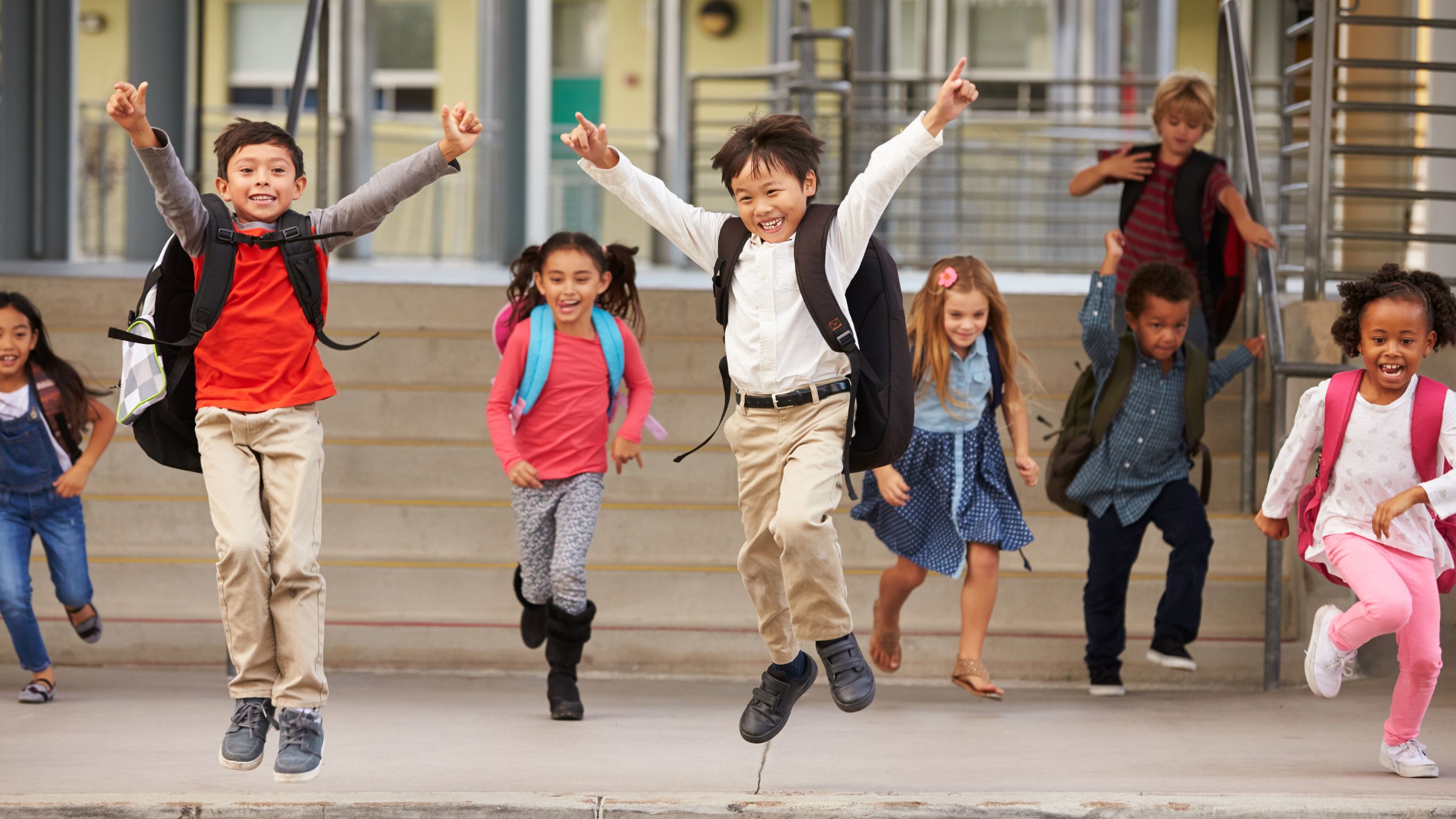
From Learning Halls to Life Lessons: How Schools Shape Students for Life
Schools have long been seen as centers of academic instruction, places where students gather to learn mathematics, science, literature, and history. However, the impact of schools goes far beyond the walls of classrooms. Modern educational institutions play a pivotal role in shaping young minds, nurturing their talents, and preparing them for the complexities of life. By focusing on student development, instilling life skills, and promoting holistic education, schools equip students to become capable, compassionate, and responsible members of society.
The Evolving Role of Schools in Modern Society
Traditionally, the purpose of schools was limited to imparting academic knowledge. Over time, society has recognized that education must encompass more than memorization and exams. Schools now aim to foster well-rounded individuals who are emotionally intelligent, socially responsible, and equipped to handle challenges. This shift has led to a broader emphasis on student development, where educators focus on nurturing creativity, critical thinking, and interpersonal skills alongside academic achievement.
In today’s interconnected world, schools serve as incubators for personal growth and social responsibility. They provide students with opportunities to engage in community service, environmental initiatives, and cultural programs. These experiences not only broaden students’ horizons but also instill a sense of purpose and ethical responsibility—core components of holistic education.
Fostering Student Development Beyond Academics
Student development is at the heart of every progressive school’s mission. While traditional subjects remain important, schools are increasingly prioritizing experiences that promote intellectual curiosity, emotional resilience, and social competence. Extracurricular activities such as sports, arts, drama, and debate clubs provide avenues for students to discover their passions and build confidence.
Participation in group activities teaches collaboration, leadership, and conflict resolution. Through these experiences, students learn to balance individual achievement with teamwork, an essential skill for success in both personal and professional life. By emphasizing student development, schools ensure that learners are prepared not only to excel academically but also to thrive as well-rounded individuals in society.
Life Skills: Preparing Students for Real-World Challenges
One of the most valuable contributions of schools is the cultivation of life skills. These include communication, critical thinking, problem-solving, time management, adaptability, and emotional intelligence. Unlike textbook knowledge, life skills empower students to navigate real-world challenges and make informed decisions.
For example, activities such as group projects, leadership programs, and peer mentoring encourage students to develop life skills like collaboration, empathy, and responsibility. Financial literacy workshops, public speaking sessions, and ethical debates further equip students to handle everyday situations confidently. By integrating life skills into the curriculum, schools help students build a strong foundation for personal and professional success.
Disclaimer:
The content of this article is intended for informational and educational purposes only. CNI news network does not take responsibility for any actions or decisions made based on the information provided. Readers are encouraged to verify facts independently and consult relevant experts when necessary.