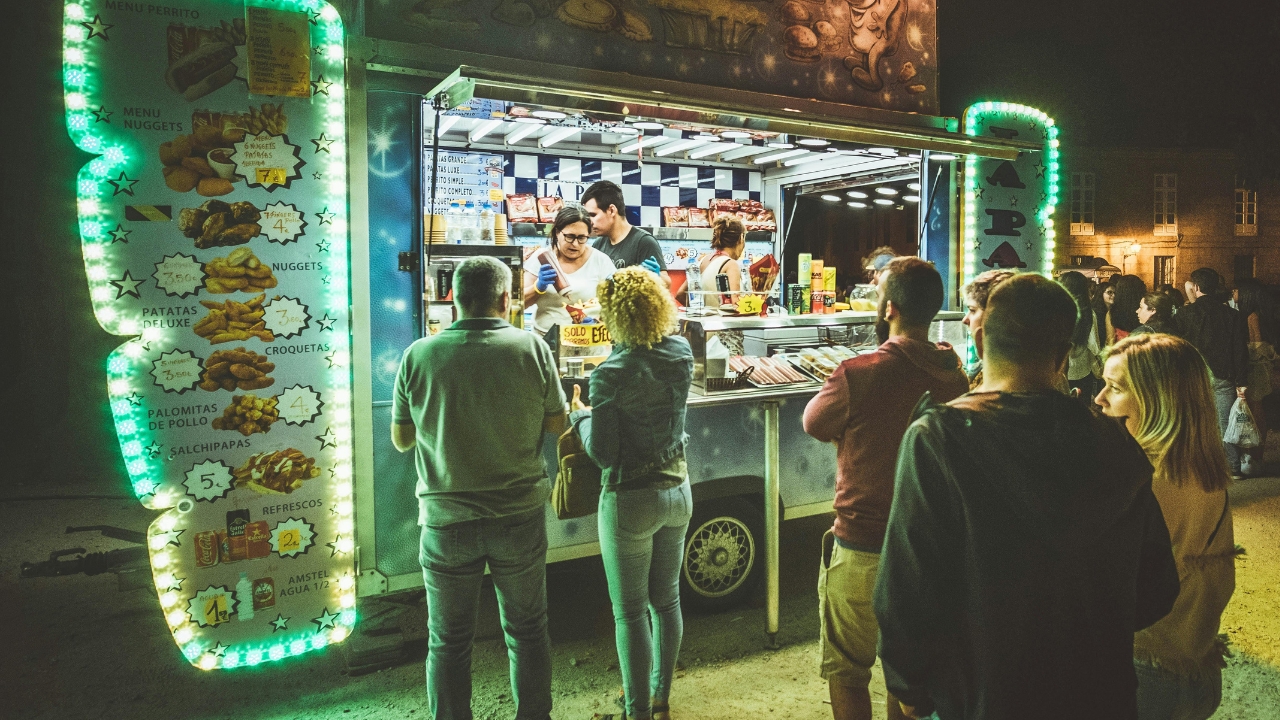
The ongoing controversy surrounding the Maine Lobster Festival reflects a complex balance between tradition, commerce, animal welfare concerns, and local business rights.
Festival Food Truck Dispute: Tradition, Business, and Fairness
At the cultural heart of Maine each summer, the Lobster Festival is a beloved event celebrating a historic industry and community. However, this year’s edition saw significant friction between festival organizers and food truck vendors. Several food trucks that rely heavily on lobster sales were restricted by the festival’s rules. Organizers demanded some trucks either remove lobster from their menus or pay steep fees for selling lobster rolls. A prominent example is the food truck Mac Attack, run by Richard Curtis, which refused to remove lobster because it is integral to his family business. In response, the festival relegated his truck to an undesirable location behind a bounce house near porta-potties, severely limiting his visibility and customer traffic.
Another vendor, Omar Hadjaissa of Amato’s, was charged an $8 fee per lobster roll—more than one-third of the roll’s usual price—forcing him to accept less profit or lose visibility. Despite paying the city $3,000 annually for the right to operate, these food truck owners feel squeezed by aggressive festival rules they see as undermining their businesses. The city manager clarified that while the festival can rearrange vendor spots, it cannot legally prevent selling certain foods. This push-pull underscores the tension between economic interests and festival control.
PETA’s Lawsuit: Animal Welfare and Legal Battles
Adding a layer of ethical debate, People for the Ethical Treatment of Animals (PETA) recently sued the Maine Lobster Festival and the City of Rockland over the cooking practice of steaming live lobsters. The lawsuit, filed in Knox County Superior Court, argues that the festival violates Maine’s animal cruelty statutes by torturing lobsters alive on public land, denying local residents the right to enjoy the park without witnessing what PETA calls “egregious cruelty.” PETA’s legal claims hinge on emerging scientific findings suggesting lobsters have a nervous system capable of feeling pain. Studies led by academics, such as the 2021 research from the London School of Economics, report that lobsters may remain conscious and experience distress for several minutes after being plunged into boiling water.
PETA seeks to declare the festival a public nuisance and obtain a permanent injunction against steaming live lobsters on public property. The animal rights group maintains that the current cooking method is cruel and calls for humane alternatives that would cause instantaneous death. Festival representatives counter these claims, defending their traditional cooking methods as lawful and widely accepted. They also argue that there is no conclusive scientific agreement that lobsters experience pain similarly to mammals, given their simpler nervous systems. The festival has faced public debate over this tension between cultural food traditions and evolving animal welfare ethics.
Economic and Cultural Significance vs. Ethical Responsibility
The Maine Lobster Festival is a major economic and cultural event that draws thousands of visitors annually, spotlighting Maine’s iconic lobster industry. Food truck vendors depend on this event for vital seasonal income, and lobster dishes are key attractions for festival-goers. The restrictions on lobster sales not only impact individual business livelihoods but also challenge the event’s tradition as a showcase of local flavors.
Conversely, PETA’s lawsuit brings forward growing ethical concerns among consumers and activists about how animals are treated in food production, even at festivals that celebrate regional cuisine. This controversy highlights the clash of traditional practices with modern standards of animal welfare and ethical consumption.