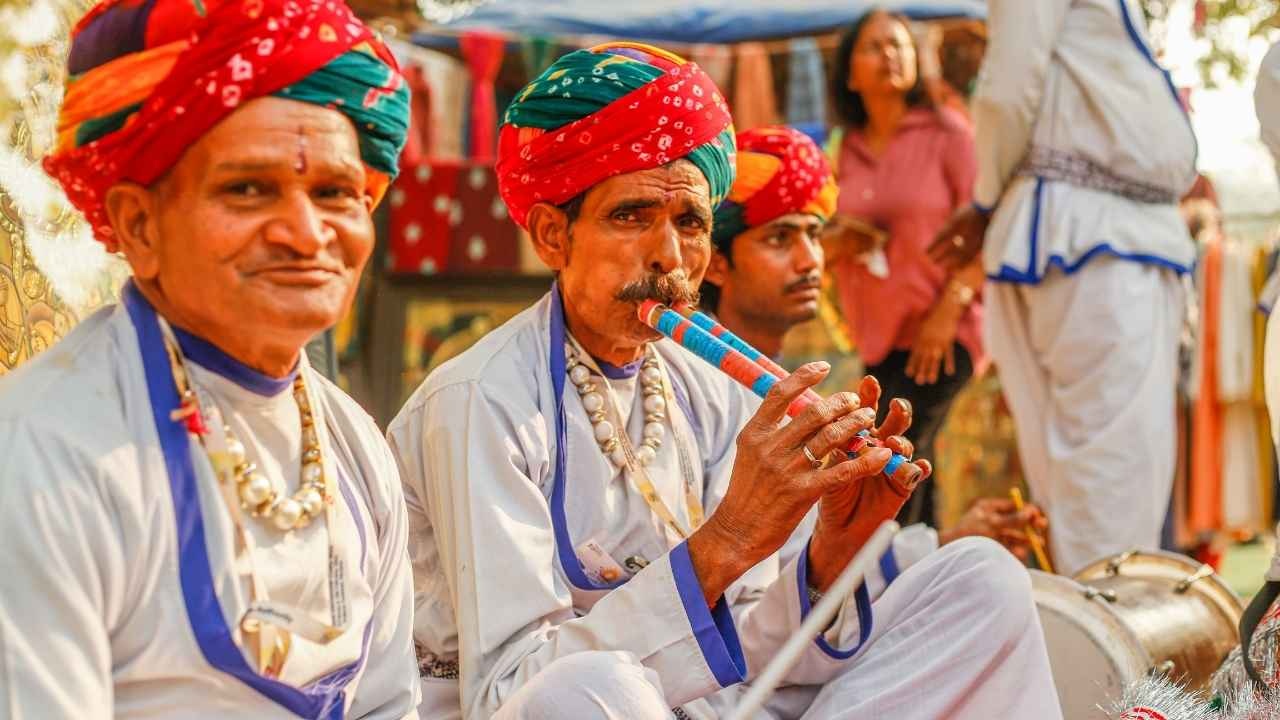
The Living Threads of Folk Song: How Traditional Tunes Tell Our Stories
Folk music is more than melody — it is a repository of memory, emotion, and everyday life. Woven through voices and hands, these songs carry family histories, local customs, and moments of joy and sorrow. From kitchen gatherings to open-air festivals, folk tunes keep shared stories alive and invite listeners into private worlds.
What Is Folk Music?
At its heart, folk music springs from community life. It is learned by listening and repeating, passed down outside formal notation. These songs speak plainly about work, love, celebration and loss, often told in the local idiom and shaped by ordinary days.
Unlike studio-produced pop, folk is intimate and immediate. It grows where people live and move — farmers singing in the fields, travelers carrying refrains between towns, families performing at weddings and rites. Each melody and lyric holds a specific place and memory.
Part of folk music's charm is its honesty. It needs no polish or gadgets to convey deep feeling. Whether rising from the dunes of Rajasthan, the hills of Ireland, or the savannas of Africa, its goal is the same: to create human connection.
How Folk Music Began
Long before recordings, songs were a way to explain the world. People used music to mark seasons, celebrate harvests, mourn losses and pass on lessons. These functional songs became the foundation of regional repertoires, shaped by everyday tasks and communal life.
Every culture developed its own types of folk expression. In India, Baul singers and Manganiyars offered spiritual and narrative forms; in Ireland, fiddles and flutes shaped plaintive airs; in North America, workers and settlers formed blues, country and bluegrass traditions that speak of labor and longing.
As time passed, folk tunes also became cultural anchors — reminders of belonging when societies shifted.
The Heartbeat of Folk Music: Its Instruments
The sound of folk is rooted in handcrafted instruments made from wood, skin, metal or clay. Each one adds a distinct color and connects the music to a place and a maker.
-
Flute and Bansuri: Airy and meditative, these wind instruments appear in many rural traditions from South Asia to Europe.
-
Guitar and Banjo: Central to American folk, they provide rhythmic warmth and harmonic support.
-
Sitar and Tabla: In Indian folk contexts they lend nuance, rhythm and melodic depth.
-
Drums and Dhol: Percussion drives communal dances and calls people together across Africa and Asia.
-
Oud and Darbuka: In the Middle East these instruments carry lyrical and percussive voices that frame poetic songs.
Each instrument carries the imprint of its maker and player — small details that shape a larger musical story.
Themes and Messages of Folk Music
Folk songs speak plainly about what matters: nature, family, labour, love, freedom and faith. They can celebrate, comfort or protest, giving voice to collective experience and private feeling alike.
In times of upheaval, folk music often becomes a means of resistance and solidarity. In calmer seasons, it marks weddings, harvests and rites of passage. Across contexts, these songs reflect the human desire to belong and remember.
Folk Music Across the World
Every region boasts its own folk idioms, each shaped by landscape, history and language.
-
India: From the high-energy beats of Bhangra to the soulful Baul traditions, Indian folk expresses a wide cultural palette.
-
Ireland: Gentle reels and ballads, colored by fiddle and flute, evoke rural life and story-telling.
-
Africa: Percussive, communal and dance-driven, African folk music celebrates community bonds and everyday rites.
-
Middle East: Arabic folk blends poetic lyrics with modal melodies played on instruments like the oud.
-
America: Folk traditions in the Americas grew from the voices of settlers, labourers and migrants, evolving into blues, country and other narrative forms.
Each tradition acts as a cultural mirror, reflecting the lives of its people.
Folk Music in Today’s World
Despite the dominance of electronic and pop sounds, folk persists and adapts. Contemporary artists frequently blend traditional motifs with rock, jazz or electronic textures, inviting younger listeners to reconnect with inherited songs.
Events like the Rajasthan International Folk Festival and Folk Alliance International spotlight artists and keep repertoires in circulation. Online platforms also make it easier for communities and musicians to share their music globally.
Far from being relics, folk traditions continue to evolve while remaining anchored in everyday life.
Why Folk Music Still Matters
In a digitally amplified world, folk music offers a reminder of immediacy and human scale. It values storytelling over spectacle and connection over commercial success.
Through simple rhythms and honest voices, folk links us to our ancestors and to one another. Its power lies in the small, authentic moments — a drumbeat, a lyric, a shared chorus — that can move a room more than any polished production.
As long as people have stories to tell and feelings to share, folk music will endure: simple, sincere and endlessly renewing.
Disclaimer
The information in this article is intended for general awareness and educational purposes only. It is not a substitute for professional advice in music education or cultural studies. Readers are encouraged to explore verified sources or consult experts when learning or performing folk music to ensure accurate understanding and proper practice.