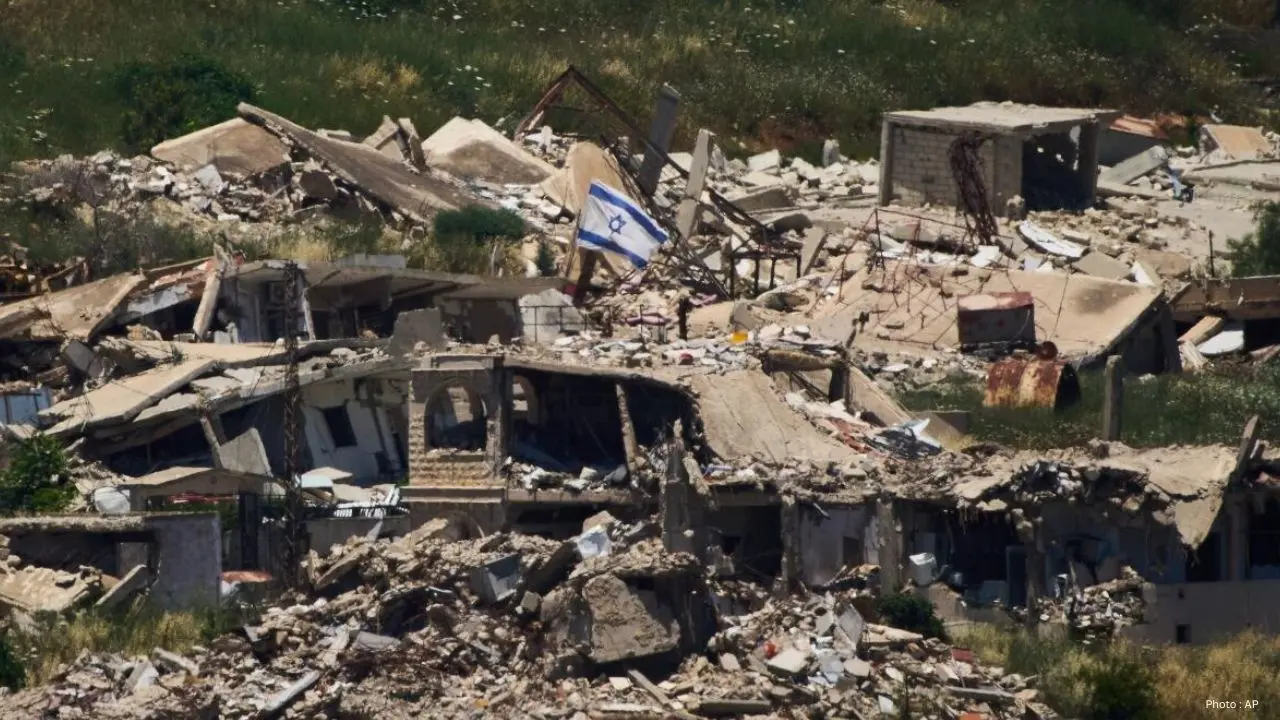
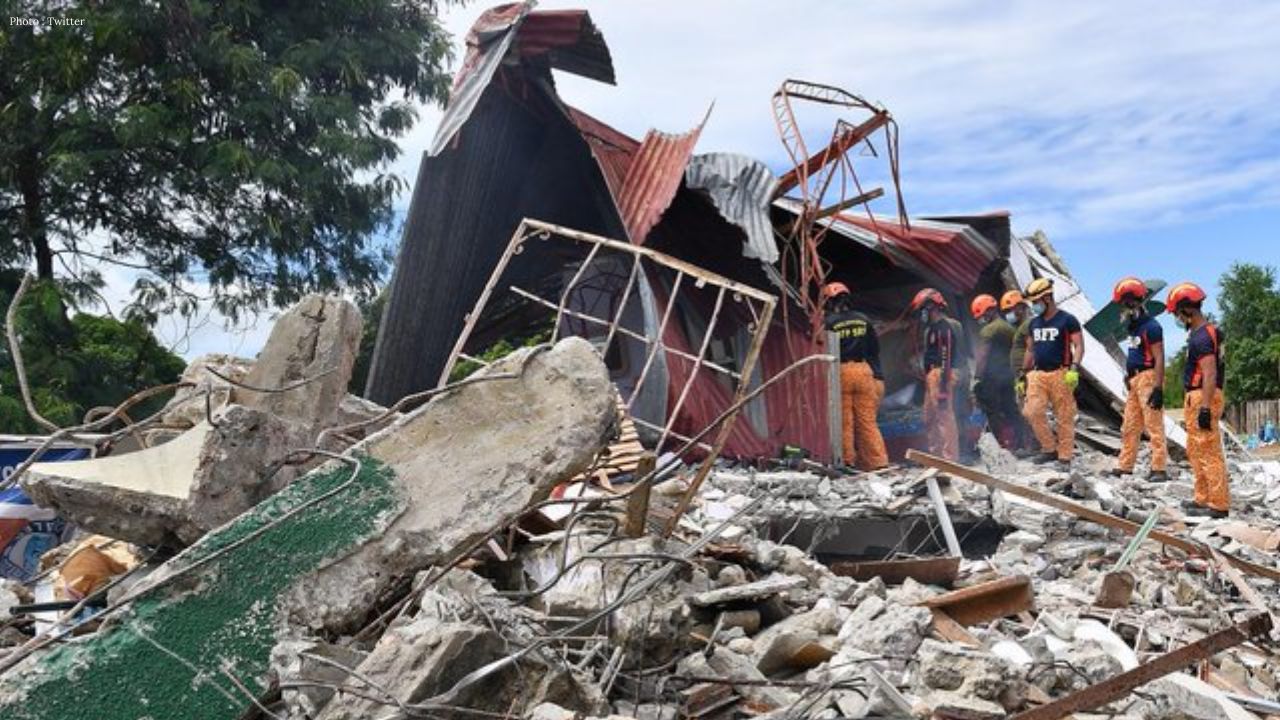
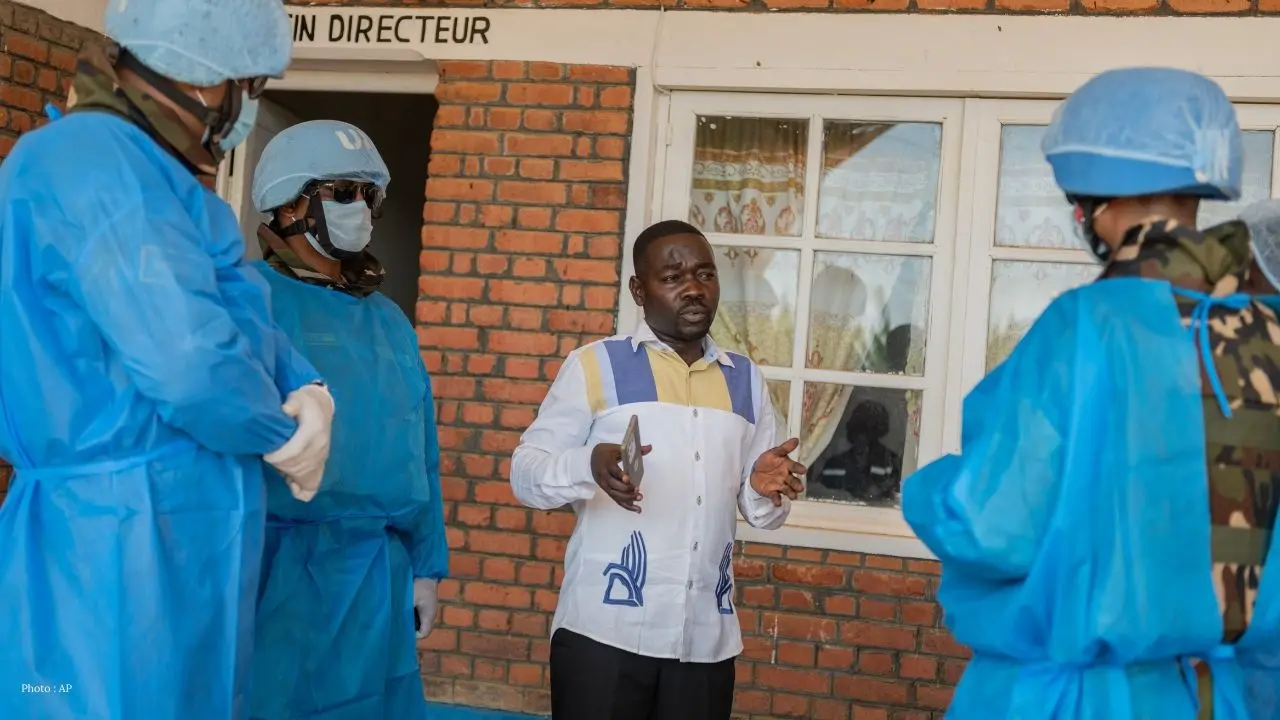
As the conflict involving Iran escalates, Hezbollah finds itself under increasing pressure to clarify its stance. The ongoing tensions between Iran, the United States, and Israel have substantial implications for security across the Middle East. While Hezbollah has historically maintained robust connections with Tehran, there are growing concerns about whether it will choose a more proactive approach or continue its cautious strategy to prevent further destabilization of Lebanon.
This question has gained urgency in light of rising military tensions linked to Iran, with fears that hostilities might spread further. Hezbollah stands as one of the region's most enduring political and armed entities, and its actions could have repercussions not just for Lebanon but for the entire Middle East landscape.
For years, Hezbollah has been seen as a close ally of Iran, receiving political backing, financial aid, and military support, which have significantly influenced the region's dynamics. Hence, developments pertaining to Tehran attract scrutiny regarding their potential impact on Hezbollah's future decisions.
Complications arise from the internal issues facing Lebanon, which grapples with economic hardship, political instability, and social unrest affecting millions of its citizens. Concerns abound that any intensification of regional conflicts might exacerbate these predicaments, obstructing the nation’s long-awaited recovery.
The last few months have already seen growing security issues along the Lebanon-Israel frontier. Though efforts to mitigate violence have thus far managed to stave off a larger confrontation, the situation remains precarious. A significant escalation could have dire consequences for civilians on both sides of the divide.
Political analysts suggest that Hezbollah is walking a tightrope. Supporting its longstanding ally while avoiding actions that might incite broader warfare requires nuanced judgment. The organization needs to consider both regional expectations and Lebanon’s pressing domestic issues.
The ramifications of a larger conflict are potentially severe. Beyond the military front, economic activities, trade, investments, and public services could all suffer. Regional countries are acutely aware that prolonged instability could disrupt energy markets, transportation routes, and overall business confidence.
For Lebanon, the risks are perhaps greater than for many others. Years of financial downturn have crippled institutions and stifled economic opportunities. Families face rising inflation, joblessness, and declining public services. Further instability could exacerbate these existing challenges.
Consequently, international efforts to avert escalation have gained importance. Various governments and diplomatic groups have urged all parties to exercise restraint and steer clear of actions that could broaden the conflict. Dialogue is increasingly seen as the preferable approach by nations seeking to uphold regional stability.
Public sentiment in Lebanon also significantly influences the discourse. Many citizens prioritize economic recovery over regional military confrontations, with critical concerns about employment, living expenses, healthcare, and education taking precedence.
The ongoing situation underscores the interconnectedness of regional events. Decisions made in one nation can swiftly alter political and security circumstances in others. This reality emphasizes the necessity of diplomacy and communication as essential instruments for de-escalation.
Analysts highlight that uncertainty remains a predominant characteristic of the current landscape. Rapid shifts in developments can lead to unexpected changes in political strategies. Therefore, governments and security analysts are diligently scrutinizing the evolving circumstances.
The spotlight on Hezbollah mirrors broader fears regarding the future trajectory of the Middle East. The next moves by several key players will determine whether the current crisis remains contained or spirals into a larger conflict.
Regional leaders face a critical challenge: preventing further escalation while managing security anxieties. Achieving this balance will necessitate patience, diplomatic efforts, and strategic wisdom. The ongoing situation remains crucial for sustaining stability and minimizing the threat of a larger confrontation.
As developments continue to unfold, Lebanon finds itself once again at a crossroads of regional politics and security concerns. The choices made at this juncture could have enduring implications not only for Lebanon but for the broader Middle East context. Consequently, the actions of Hezbollah and other regional actors will be closely analyzed as the quest for stability persists.