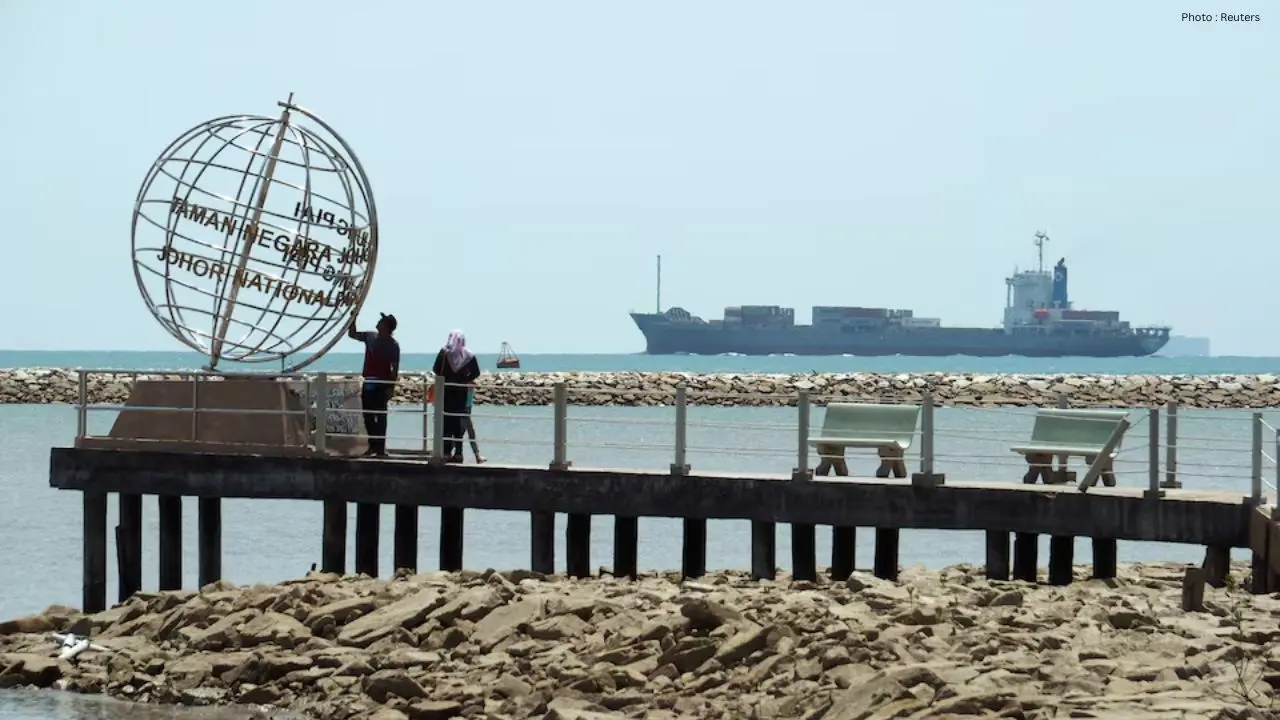
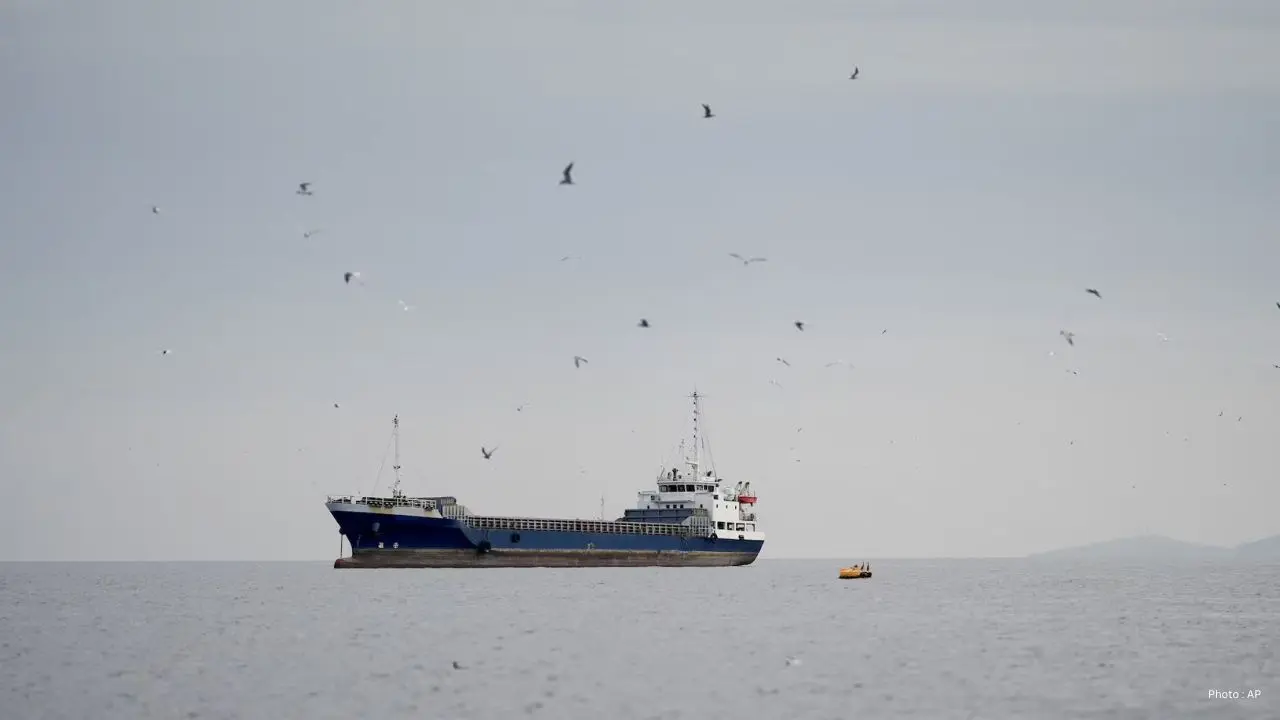
Amid the escalating situation in the Strait of Hormuz, global attention is now diverting to another pivotal shipping lane—the Strait of Malacca. As unrest jeopardizes one of the world's major oil routes, experts are increasingly scrutinizing the Malacca Strait, renowned for its significant influence on international trade and energy supplies.
Recognized as one of the most heavily trafficked maritime paths, the Strait of Malacca links the Indian and Pacific Oceans and accommodates thousands of vessels annually. A substantial portion of global commerce, including a vast amount of oil and various goods, traverses this narrow corridor, where disruptions can have widespread repercussions.
The ongoing crisis in Hormuz has illuminated the global reliance on such confined sea routes. When issues arise at one chokepoint, shipping entities naturally turn their focus to alternative passages. This shift intensifies the demand on the Malacca Strait, thereby increasing congestion and hazards.
A central concern lies in the strait's narrowness. In certain areas, its dimensions pose challenges for larger vessels, and as traffic escalates, the potential for mishaps, delays, or blockages grows. Even minor incidents in this bustling thoroughfare can lead to significant disruptions within global supply chains.
Safety is another pressing issue. The Strait of Malacca has historically encountered challenges such as piracy. Despite enhancements in regional security measures, threats remain. In periods of heightened global tension, these risks tend to amplify, potentially jeopardizing the safe transit of ships.
Numerous major economies are heavily reliant on this passage. Nations like China, Japan, and South Korea depend on the oil and goods that navigate through the Malacca Strait, which underscores its critical role in economic stability. Any significant disruption could trigger supply shortages or escalated costs.
Regional nations, including Indonesia, Malaysia, and Singapore are committed to ensuring the strait's safety and openness. Their collaborative efforts are vital for the uninterrupted flow of global trade. Enhanced coordination and vigilance are essential to manage the increasing traffic and associated risks.
This renewed attention to the Malacca Strait reflects a broader concern in global commerce. A handful of narrow routes account for a vast proportion of the world’s goods and energy flow. Although these chokepoints are limited in size, their significance in the global economy is immense. When one route faces challenges, the ramifications reverberate quickly throughout international markets.
The Hormuz crisis has served as a stark reminder of these vulnerabilities, underscoring the need for improved planning, robust security measures, and alternative pathways to diminish reliance on singular passages.
The rising significance of the Malacca Strait illustrates the interconnectedness of global trade. Protecting such routes is crucial for maintaining consistent supply, stable pricing, and uninterrupted economic operations worldwide.