In a shocking development, prosecutors in Florida have announced their intention to seek the death penalty against Hisham Saleh Abugharbieh, a 26-year-old accused of murdering two Bangladeshi doctoral students at the University of South Florida. The Hillsborough State Attorney’s Office has filed their official notice for capital punishment following a grand jury indictment on two counts of first-degree murder and various other charges. The tragic loss of the two scholars has reverberated through both local and international communities.
The deceased, Zamil Limon and Nahida Bristy, aged 27, were doctoral students at the University of South Florida. They vanished on April 16 under dubious circumstances, prompting an extensive search effort. Last seen at different locations—Limon at his off-campus apartment shared with Abugharbieh, and Bristy at a campus science building—both students' mysterious disappearance drew serious attention from law enforcement.
Hisham Saleh Abugharbieh was apprehended approximately a week after the students went missing and has remained in custody as authorities further build their case. Prosecutors disclosed that digital evidence collected, including cellphone location data, was instrumental in locating the body of Limon, found on April 24 near a bridge.
Prosecutors reported that Limon’s body exhibited multiple stab wounds and indications he may have been restrained prior to his death. Nahida Bristy's body was subsequently discovered in nearby waters just two days later, elevating the urgency of the investigation. Forensic evidence from the shared apartment is believed to link Abugharbieh to the scene of the crime.
During interrogation, detectives noted a bandage on the suspect’s pinky finger, while he denied involvement. Concerns about Abugharbieh's prior anger issues emerged, as his mother had previously disclosed violent tendencies against family members.
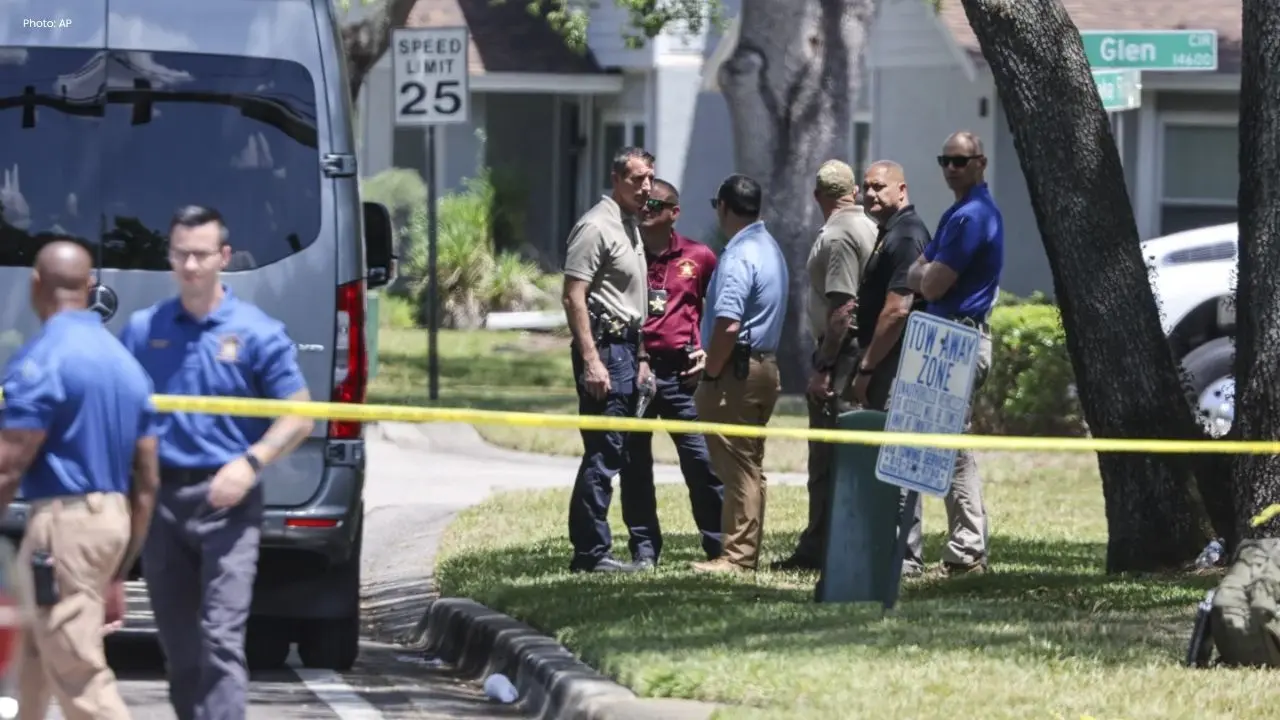
Further investigation led to troubling findings at the apartment complex. A roommate reported Abugharbieh moving boxes to a compactor the night the students disappeared. Authorities later discovered Limon’s personal belongings, showing possible blood stains, in the trash area.
The investigation continued with a search warrant leading officials back to the apartment where they found blood leading from the kitchen to Abugharbieh's room, as well as blood-soaked carpeting. Additionally, Bristy’s identification card was located in Limon’s room. The amassed forensic evidence is expected to significantly influence the upcoming court proceedings as this case unfolds within the Florida judicial system.