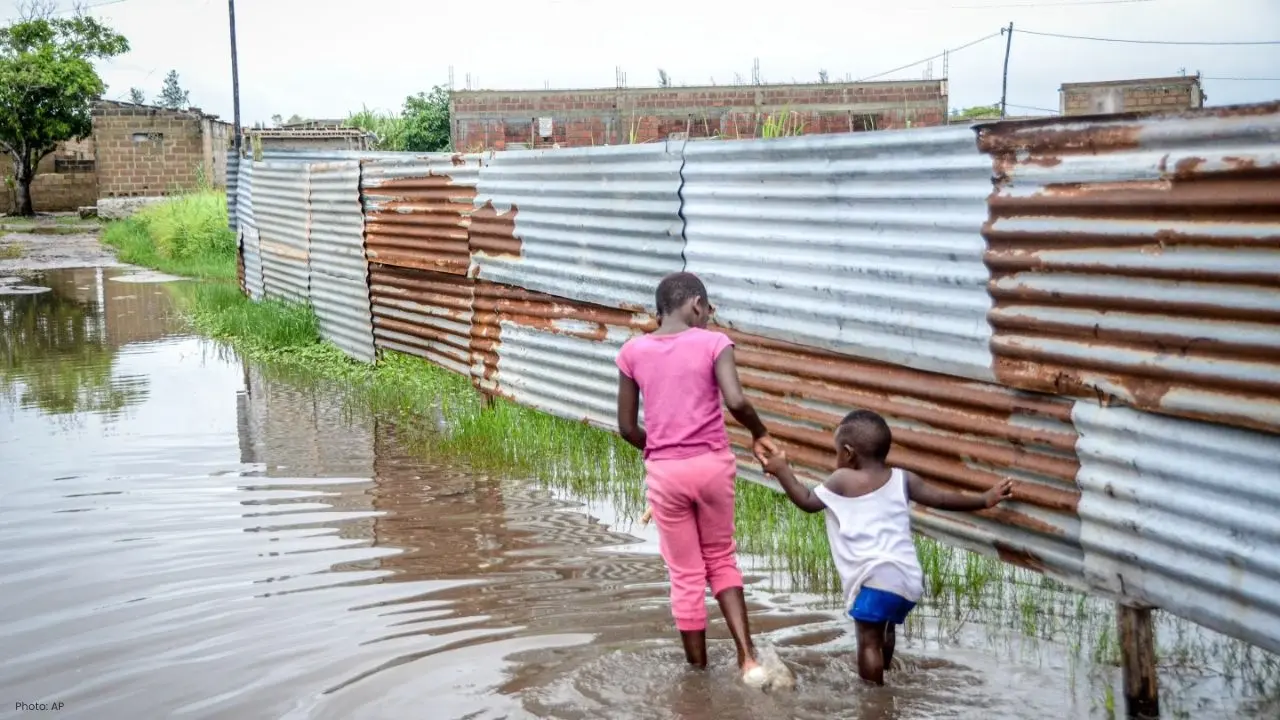
Unrelenting rainfall and extensive flooding in southern Africa have led to more than 100 fatalities, prompting large-scale evacuation and rescue efforts across various nations. Officials reported that the disaster has unfolded following weeks of excessive rainfall, with meteorological agencies warning of additional downpours that could exacerbate the crisis in the upcoming days.
Military helicopters have been deployed to rescue individuals stranded on rooftops and trees as torrents swept through urban and rural areas. Hundreds of tourists and workers were evacuated from one of the globe’s largest game reserves after rivers overflowed, severing access routes.
Mozambique has been identified as the hardest-hit nation. Officials indicated that over 100 deaths have occurred since the rainy season intensified late last year, stemming from flooding, structural collapses, lightning strikes, and outbreaks of disease due to contaminated water sources. More than 200,000 individuals have been affected nationwide, with thousands of homes damaged or entirely lost, and tens of thousands facing evacuation. Vast areas of farmland have been submerged, threatening crops like rice and maize that small-scale farmers depend upon.
In South Africa, northern regions have been similarly impacted, with the death toll reaching at least 30 as emergency teams continue their search in affected areas. Some districts received nearly 400 millimeters of rain in under a week, obliterating entire neighborhoods. Officials confirmed hundreds of homes were either critically damaged or completely destroyed, displacing multiple families in urgent need of shelter.
Reports of damage have also emerged from Mpumalanga province, where infrastructure like roads and bridges have collapsed, isolating communities. Authorities have issued the highest-level weather alerts for parts of the region, urging residents to be ready for more flooding. Many locals reported that the recent rainfall was the worst they have ever encountered and fear that additional storms could lead to further devastation.
Zimbabwe has faced severe impacts as well, with disaster officials reporting approximately 70 fatalities this year. Over 1,000 homes have been destroyed, and vital infrastructure, including schools, roads, and bridges, has collapsed due to floods. The flooding has also affected regions in Madagascar, Malawi, and Zambia.
In South Africa’s renowned wildlife reserve, extreme flooding necessitated the evacuation of around 600 tourists and staff to safer elevations. Several camps, dining facilities, and access routes were submerged following river overflow, leading to the park's closure to new visitors as a precautionary measure. While no injuries have been reported, considerable sections of the reserve remain inaccessible.
Climate specialists suggest the extreme rainfall may be associated with La Niña conditions, which typically induce above-average rains in southeastern Africa. With more rain anticipated, governments throughout the region remain vigilant as rescue operations persist and communities prepare for further flooding.
This recent calamity adds to a sequence of extreme climatic incidents that have affected southern Africa in recent years, including devastating cyclones and intense droughts. Aid organizations caution that the confluence of flooding, crop losses, and compromised infrastructure could escalate food insecurity and humanitarian concerns in the region in the near future.