Incident Overview
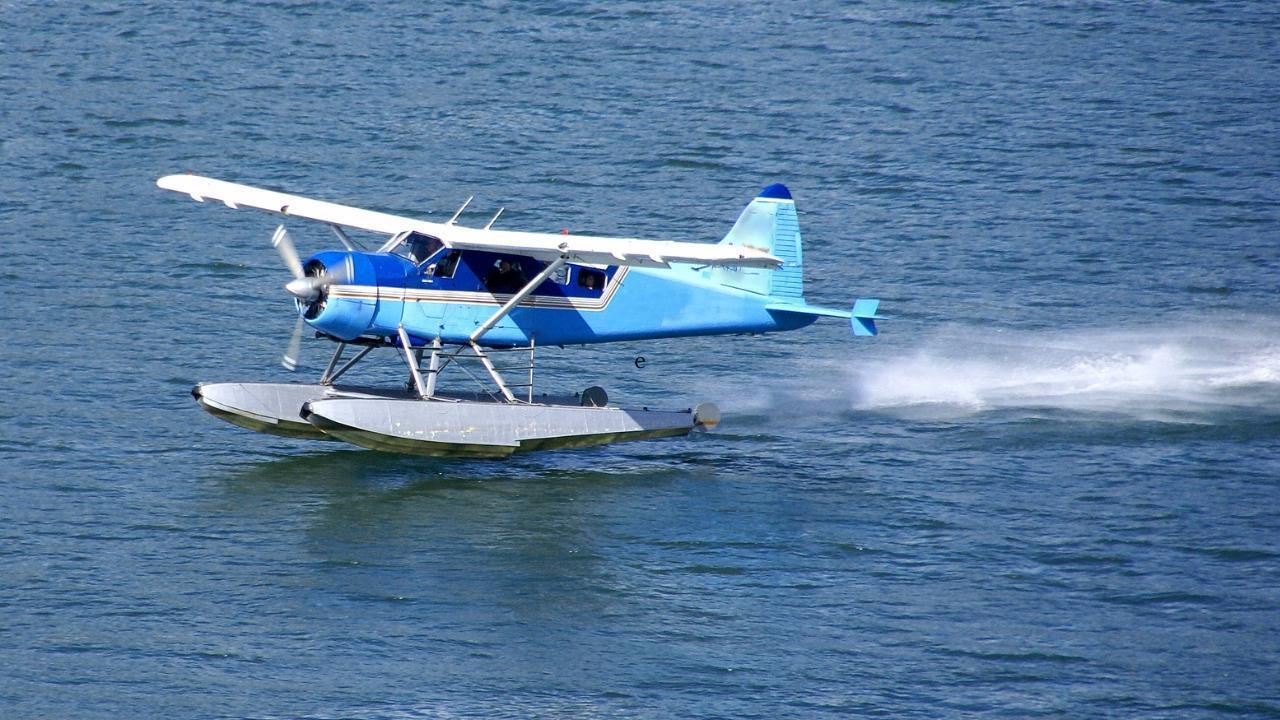
On Wednesday, July 16, 2025, at approximately 12:30 p.m. EDT, a float plane crash‑landed on East Lake in the Flakes Cove area of Prince Edward County, Ontario. According to the Ontario Provincial Police (OPP), two individuals were on board at the time. Despite the dramatic nature of the incident, both the pilot and passenger survived without serious injury. Emergency services, including OPP and Prince Edward County Fire and Rescue, collaborated swiftly to locate and extract the occupants, who managed to exit onto the plane’s wing before rescue vessels arrived.
Location and Immediate Response
The aircraft came to rest partially submerged yet upright in a relatively calm section of East Lake. Fire and Rescue teams utilized a vessel to approach the plane and safely transfer both occupants to shore. OPP confirmed there would be an increased presence of police and first responders in the area during the afternoon as they secured the scene and began preliminary fact-finding. Local residents were advised to stay clear of the crash site.
Occupants' Condition
Local authorities reported minor injuries to the pilot and passenger, though neither was critically harmed. Both individuals were able to support themselves on the plane’s wing and were conscious during rescue operations . They were evaluated on-scene by paramedics and later taken for further medical assessment as a precaution, reflecting the cautious approach typical in aviation incidents.
Official Statements & First-Responder Accounts
The OPP described the rescue as successful, citing the calm water conditions and quick access by emergency boats as decisive factors. Prince Edward County Fire and Rescue personnel emphasized the importance of training for such water‑based emergencies. Meanwhile, the Transportation Safety Board of Canada (TSB) confirmed it had been notified. While it decided against sending investigators on site, the TSB will collect available evidence for statistical and analytical review.
Investigation Focus Areas
Authorities will examine multiple camera angles, witness testimonies, maintenance histories, and the soundness of the aircraft’s float gear. Given that the aircraft remained upright and accessible, retrieving onboard data, inspection logs, weather reports, and radio communications should be possible. While the exact cause remains undetermined, investigators will consider factors like mechanical fault, sudden weather shift, engine trouble, or pilot decision-making.
Weather & Environmental Conditions
Reports from local weather services indicate clear skies and light winds around the crash time. However, pilots must remain alert for wind shear, downdrafts, or gusts near shorelines. The absence of severe weather suggests mechanical or operational issues may be more likely. Still, wake turbulence from nearby marine vessels or a misjudged landing approach cannot be ruled out without further inquiry.
Float Plane Safety & Past Incidents
Float planes play a vital role in serving remote or water-access locations across Canada. They are built for redundancy and stability, yet landings remain complex due to shifting water surfaces, underwater obstacles, and shoreline turbulence. Past incidents in the region point to environmental challenges and human factors as common contributors. As this is a non-fatal case, the TSB will likely focus on data collection and trend analysis rather than a full-scale investigation.
Local & Provincial Response
In the aftermath, residents and frequent lake users witnessed heightened police and rescue presence throughout the afternoon. Local officials expressed relief that no one sustained critical injuries. The OPP renewed calls for boating caution during rescue and recovery operations. They reminded residents that rainy or foggy conditions later in the week could complicate such missions.
Aircraft Recovery & Environmental Protection
Authorities plan to salvage the aircraft at low tide or during favorable lake conditions, ensuring both safety and limited ecological impact. Fuel and other contaminants must be carefully contained to protect aquatic life. Teams from both OPP and environmental agencies will oversee recovery, alongside specialized marine operations.
TSB’s Potential Next Steps
Even though the TSB isn't deploying a site team, its involvement signals follow-up steps: a request for pilot statements, maintenance records, weather spreadsheets, and possibly flight sector comparisons. Outputs may include a TSB summary report on July’s incidents involving float planes, possibly setting the stage for recommendations on cockpit procedures, training protocols, or oversight standards.
Pilot and Passenger Safety Follow‑up
Although not critically injured, both plane occupants underwent detailed health assessments. Float plane landings can cause hidden injuries from the impact or sudden water shifts. Medical follow‑through ensures no delayed symptoms emerge—common in cases involving airbag‑like compressions or abrupt deceleration.
Community and Media Attention
Local news outlets and social media promptly circulated images of the wreck (upright and floating), the rescue boats, and emergency crews. Officials highlighted the outcome as a successful rescue. While the event tapped into broader safety dialogues for private aircraft pilots, many residents expressed relief that no lives were lost.
Wider Implications for Aviation Policy
This incident may renew discussions on float plane certification, pilot licensing, and water‑landing protocols—especially for civilian and recreational aviators. Questions often arise about minimum flight and landing training hours, mandatory simulator use, and requirements for safety gear like life vests and emergency radios.
Lessons Learned & Awareness
Authorities emphasized key takeaways:
-
Always wear approved flotation devices onboard.
-
File flight plans and maintain communication with ground or water‑base stations.
-
Monitor weather fluctuations, even when conditions seem favorable.
-
Ensure float gear inspection before each flight.
This event will serve as a case study for pilot safety awareness courses and regulatory reviews, shaping future best practices for small‑aircraft operations.
Looking Ahead
As the investigation unfolds with data collection and scene report compilation, the plane will be recovered, and the site cleaned. The OPP and Transport Canada expect to release preliminary findings within weeks, possibly with TSB involvement. Local agencies plan debrief sessions within Prince Edward County and Belleville zones to update emergency protocols and landowner guidelines.
Wednesday’s float plane crash‑landing near Flakes Cove serves as a strong example of calm, effective emergency response. With no critical injuries, it highlights how training, equipment readiness, and inter-agency coordination can save lives. While the cause remains unknown, the pilot’s ability to land without inversion, and the passengers’ escape onto a wing, underscore both aircraft design resilience and human fortitude. This incident offers a chance to revisit aviation safety, enhance emergency readiness, and prepare for future water‑based flight operations with increased assurance.