Several First Nations groups have filed new legal claims against the government of British Columbia following a recent court ruling that made the UNDRIP enforceable in provincial law. The development marks a significant shift in the legal landscape surrounding Indigenous rights and land governance in the province.
The claims come after a decision by the B.C. Court of Appeal, which strengthened the legal standing of UNDRIP in British Columbia. This ruling has opened the door for Indigenous communities to challenge government actions more directly, particularly in areas related to land use, resource development, and consultation processes.
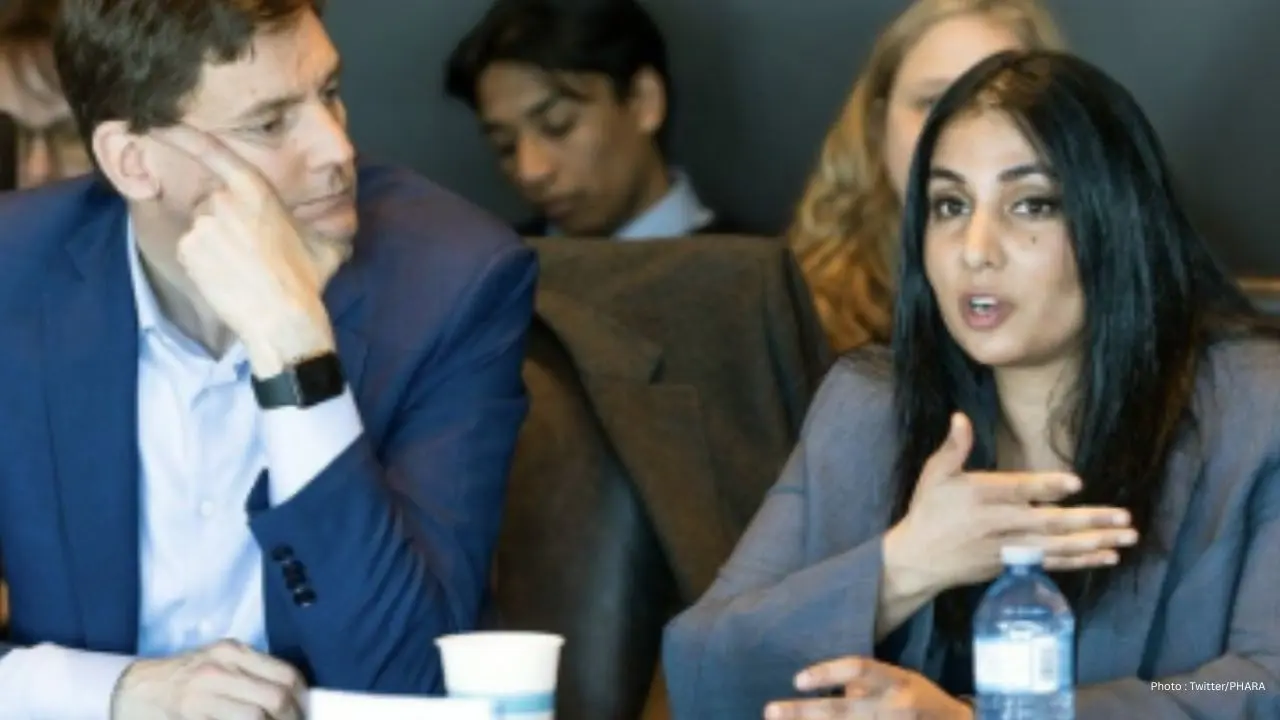
Premier David Eby confirmed that more than 20 claims against the province have been amended or newly filed in response to the ruling. However, details about these claims have not been made public. The office of Attorney General Niki Sharma has declined to release the list, citing solicitor-client privilege.
First Nations leaders argue that the ruling reinforces their long-standing demands for meaningful consultation and respect for their rights. They say the ability to bring forward claims under UNDRIP strengthens their position in disputes over land and natural resources, ensuring their voices are better represented in decision-making processes.
The provincial government has maintained that it is committed to reconciliation and to working collaboratively with Indigenous communities. However, the growing number of legal challenges highlights ongoing tensions over how UNDRIP should be implemented in practice.
Legal experts say the situation could have wide-ranging implications, not only for British Columbia but also for other regions in Canada considering similar frameworks. The enforcement of UNDRIP may lead to increased litigation as Indigenous groups seek to assert their rights under the strengthened legal system.
As the claims move through the courts, the outcome could redefine how governments and Indigenous communities interact, especially in areas involving land ownership, development projects, and environmental protection.