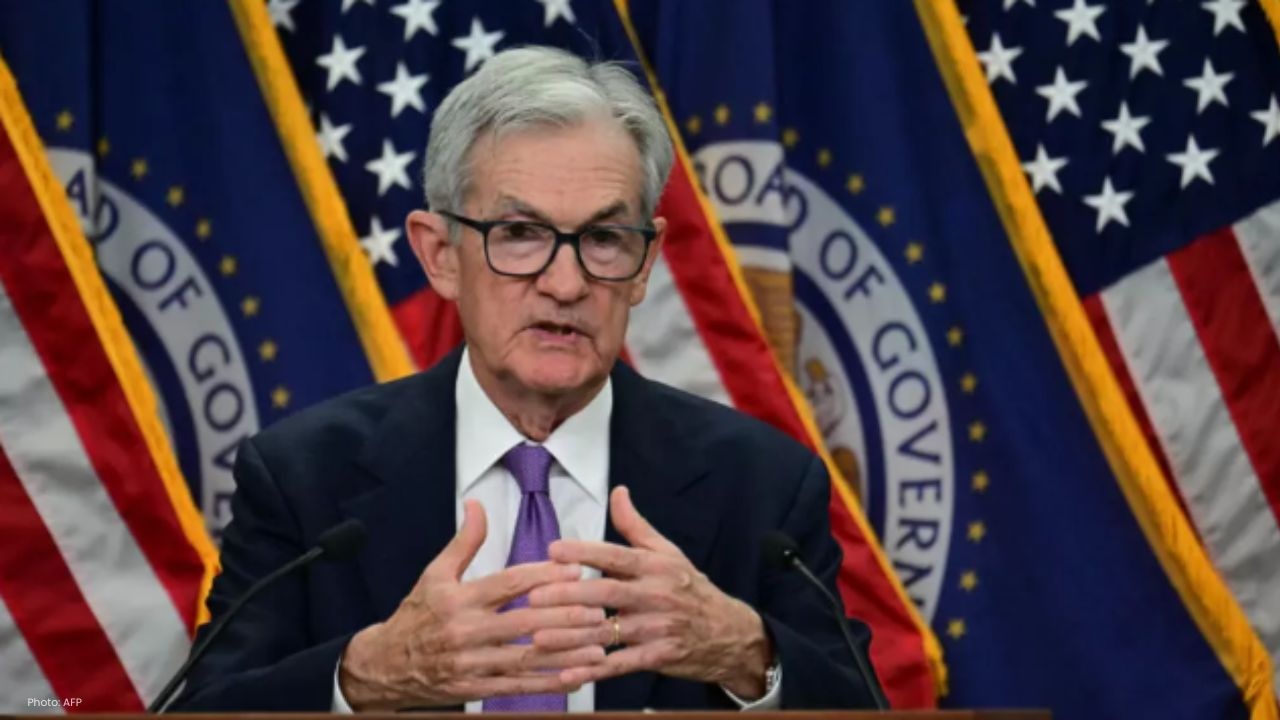
The Federal Reserve finds itself amid significant economic challenges, where differing views on interest rate strategies are emerging among its policymakers. Recent minutes from the October 28-29 meeting indicate that, although recent reductions aimed to bolster growth, the uncertainty regarding inflation and labor market dynamics has made it hard to reach an agreement.
Officials have opted for a second consecutive rate cut this year, lowering the benchmark lending rate to a range of 3.75–4.0 percent. Yet, the decision for December remains unclear, with some members doubting if an additional 25 basis point reduction is advisable. The protracted government shutdown from October to mid-November has further muddled the Fed's perspective, halting vital economic data updates and leaving both policymakers and businesses in a state of uncertainty.
The minutes indicate that while a majority of participants see future rate cuts as necessary, there is notable disagreement regarding the timing and extent. Some officials predict that rising inflation may be on the horizon as U.S. tariffs continue to influence goods prices, while others advocate for caution, emphasizing the incomplete set of economic data.
Conditions in the labor market have also sparked debate. Fed members generally anticipate a gradual easing, with companies hesitant to both hire and lay off in this uncertain environment. Spending habits are increasingly disparate, as higher-income households continue to drive consumption, while lower-income families are adapting to rising prices and economic unease.
During the October gathering, 10 out of 12 voting members supported a 25 basis point cut; Fed Governor Stephen Miran requested a more pronounced reduction of 50 basis points, while Kansas City Fed President Jeffrey Schmid favored maintaining current rates. This divergence underscores the challenges of navigating U.S. monetary policy amid ongoing trade disputes and mixed economic signals.
As the Fed contemplates its forthcoming actions, the minutes emphasize that careful decision-making is crucial for addressing inflation risks, shifting labor trends, and tariff repercussions—all while ensuring market stability.