A recent national survey indicates that approximately 27% of immigrants residing in the United States have intentionally refrained from traveling—both within the US and internationally—to avoid immigration officials. This trend encompasses not just undocumented migrants but also legally present immigrants and naturalized citizens.
Conducted in 2025 with over 1,800 immigrant adults nationwide, the survey highlights the escalating worries within immigrant communities prompted by heightened enforcement measures from the previous administration.
The trepidation surrounding enforcement is notably pronounced among undocumented immigrants, with nearly two-thirds (63%) expressing that they have avoided all forms of travel, whether domestic or global. Legal residents were similarly affected; around 32% of H-1B visa holders admitted to altering their travel plans due to fears of potential encounters with immigration officials. Even 15% of naturalized citizens cited travel avoidance triggered by concerns over intensified scrutiny.
This notable change in travel behavior coincides with the onset of the busy holiday season—typically among the busiest travel periods of the year. Major holidays such as Thanksgiving, Christmas, and New Year’s Eve normally see increased road and air traffic; however, this year many immigrants opted to remain home amid apprehensions regarding immigration checks and enforcement operations.
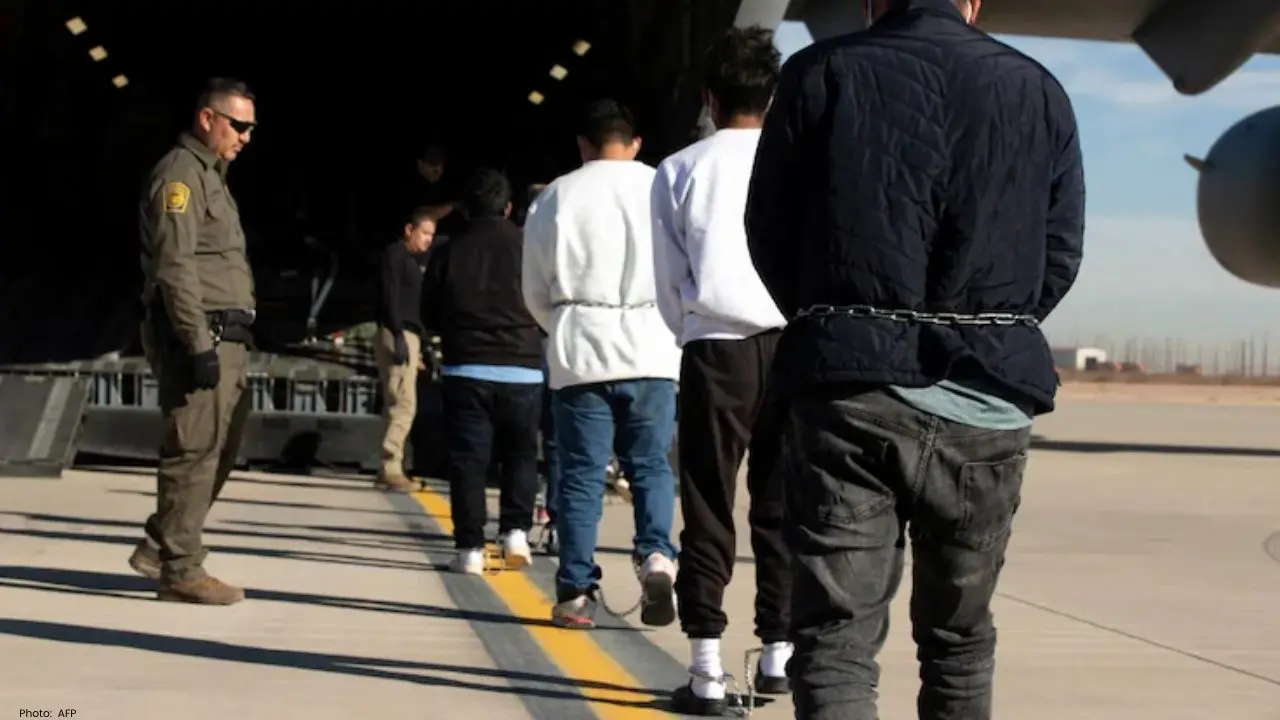
One primary reason for this widespread caution is the amplified data-sharing between federal agencies. The Transportation Security Administration (TSA), which oversees airport security, has reportedly begun providing domestic travel data, including passenger lists, to Immigration and Customs Enforcement (ICE). While immigration authorities historically refrained from using domestic flight data for enforcement, this approach has now been incorporated into a broader strategy by the federal government to identify, detain, and deport individuals who might be in the country unlawfully.
H-1B visa holders appear particularly impacted by recent policy shifts. As of July 2025, the US State Department ceased remote and third-country visa renewals for H-1B and H-4 visa applicants, compelling them to return to their home countries for interviews and processing. This has created significant delays and backlogs at consulates and embassies, particularly in India. Numerous visa applicants faced postponed interviews stretching into 2027, leaving many skilled professionals stranded abroad, unable to reunite with their jobs and families in the US.
An executive order enacted in September 2025 introduced a new $100,000 fee for new H-1B visa applications, further increasing the financial strain on immigrants wishing to work in the US. Additionally, the scope of social media screening for applicants has broadened, with immigration officials delving deeper into online activities as part of their vetting procedures.
Despite these fears and challenges associated with immigration enforcement, the survey indicates that most immigrants still regard the United States as a land of promise. When asked if they would choose to relocate to the US again if given a chance, a majority responded positively, reinforcing the enduring appeal of the nation despite the obstacles faced.
This survey underscores the profound influence of immigration policies on the daily experiences of immigrants, even shaping their travel decisions during significant periods. It also calls for more balanced immigration enforcement that takes into account the human side of migration and the necessity for avenues that allow immigrants to contribute to the country.