Two decades ago, the Winter Olympics of 2006 turned the Italian city of Turin into a global stage, igniting excitement and local pride. Traditionally seen as an industrial hub and the birthplace of Fiat, Turin seized this opportunity to showcase itself as a vibrant destination rich in culture, cuisine, sports, and tourism. The phrase “Passion lives here” continues to resonate with residents, evoking a sense of hope and community.
This international event drastically altered Torino's perception, driving improvements. New sports facilities emerged, roadways were upgraded, and the city's inaugural metro line was launched. Public squares became inviting, and access to nearby Alpine resorts was enhanced. Most notably, locals experienced a renewed confidence, seeing Turin as a capable host for major global events.
City officials and business leaders remember the Olympics as an unifying event where public entities, private firms, and volunteers collaborated seamlessly. Day and night, the city buzzed with events, concerts, and celebrations, creating an atmosphere many still reminisce about fondly. Following the Games, tourism flourished, museums thrived, historic sites were revitalized, and Turin went on to host major events such as the Eurovision Song Contest and prestigious tennis finals.
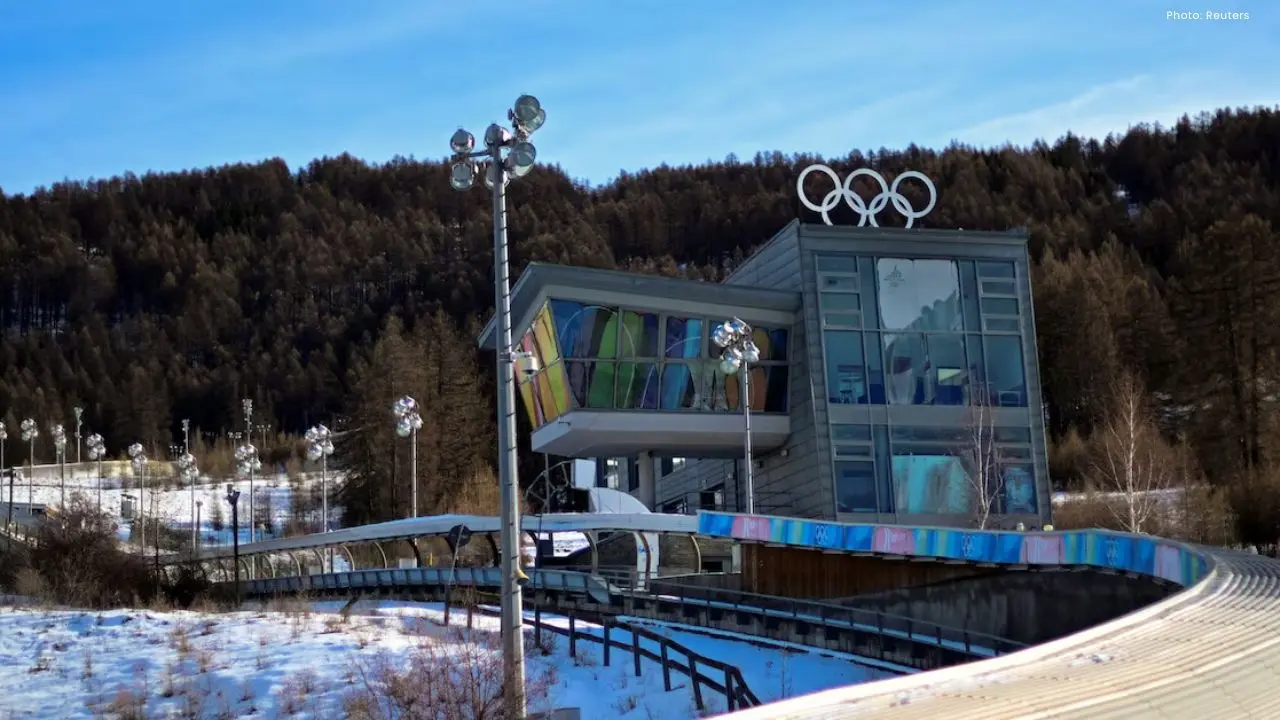
However, beneath this seemingly bright narrative lies a darker truth. The 2006 Olympics burdened Turin with significant debts and many unused or abandoned venues. Some facilities thrived, while others derelicted. In the surrounding mountains, the bobsleigh track in Cesana and the ski jumps in Pragelato have been closed for years, now in a state of decay.
In the city, one Olympic Village endured years of neglect and illegal occupation, rendering parts unsafe. Over time, the area was refurbished into student housing and social homes, yet another section near the Fiat Lingotto factory remains vacant, with unclear future redevelopment plans. Local residents consider this a lost chance for cultural or educational initiatives.
The financial ramifications of the Games continue to weigh heavily on Turin. Estimates suggest the total cost was around 3.3 billion euros. Although long-term benefits from tourism and infrastructure enhancements amounted to approximately 2.5 billion euros, the city still faced a net loss of about 1.3 billion euros. These debts compelled Turin to implement extensive budget cuts, severely impacting funding for social services.
As it stands, Turin remains one of Italy's most indebted cities, although conditions are gradually improving. A considerable chunk of public financing is funneled yearly just to cover the debt. Some former officials express concern that the Olympic strain hindered Turin’s ability to adequately invest in education, housing, and assistance for at-risk populations.
These lessons informed Turin's approach to future Olympic bids. When the 2026 Winter Olympics were discussed, Turin proposed to host using existing facilities to minimize expenses. This offer was declined, leading the city to step back from co-hosting with Milan and Cortina, cautioning that hosting a few events would provide minimal gain yet add excessive costs.
As Milan and Cortina gear up for the 2026 Games — projected to exceed 5 billion euros — the tale of Turin acts as a salient reminder. While large sporting events can elevate a city's stature and spark growth, they are also fraught with long-term financial implications. Without careful foresight and realistic funding strategies, the enthusiasm surrounding the Games can lead to enduring economic hardship.
The legacy of Turin's 2006 Winter Olympics is thus a complex one. It illustrates the potential for urban reinvention and citizen inspiration, but also reveals that passion can't solely cover financial deficits. For future Olympic hosts, Turin's experience offers a crucial example and a lesson not to be overlooked.