Disclaimer: This article is intended for general understanding. Always seek advice from a licensed mental health professional for personal issues.
Exploring Nature Therapy: A Path to Enhanced Mental Health
In today's fast-paced world, the hustle and bustle can leave us feeling drained and emotionally off-balance. As a response, many are turning to nature therapy, which is also referred to as ecotherapy, green therapy, or nature-based healing. Experts in psychology and medicine now advocate for the natural world as an effective method for enhancing mental wellness.
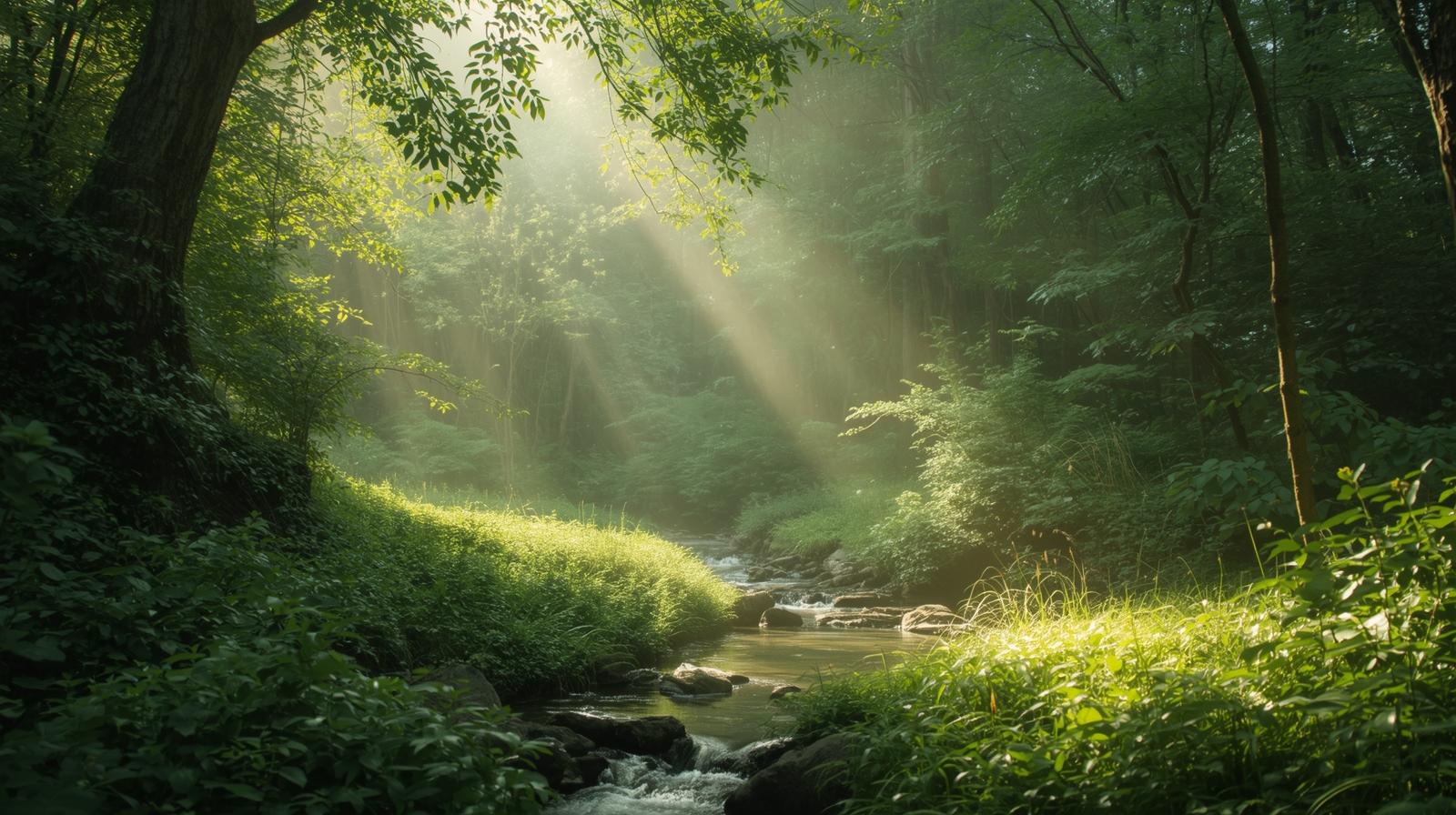
Nature therapy involves a conscious effort to engage with natural environments—whether it's forests, rivers, fresh air, or sunlight—to promote mental and physical wellness. Through activities like hiking, gardening, or spending time in parks, studies indicate that immersion in nature can alleviate stress, elevate mood, enhance concentration, and foster long-term emotional resilience.
The Healing Power of Nature on Mental Health
Humans have evolved in harmony with nature, which explains why natural settings feel instinctively soothing. Psychologists argue that nature offers healing that technology simply cannot replicate.
Natural Environments Foster Relaxation
Green areas diminish activity in the brain's stress centers, aiding relaxation. Walking amidst natural landscapes encourages hormone release that alleviates anxiety and tension, leading to emotional stabilization.
A Relief from Sensory Overload
Urbanization bombards us with noise and distractions, while nature provides a restorative escape, reducing stress and promoting mental clarity.
The Benefits of Nature Therapy for Mental Wellness
Mitigates Stress and Anxiety
Nature therapy is particularly effective for decreasing stress. Research shows that time spent outdoors can lower cortisol levels, calm the heart rate, and ease the nervous system, with just 20-30 minutes yielding notable mood improvements.
Those engaging more frequently with greenery report reduced anxiety, burnout, and fatigue, making nature therapy a valuable tool for students, workers, and anyone feeling modern pressures.
Enhances Mood and Emotional Regulation
The presence of nature triggers the release of serotonin and endorphins—hormones linked to happiness and emotional steadiness. This explains why many feel instantly uplifted after time outdoors.
Additionally, sunlight exposure enhances circadian rhythms and boosts vitamin D, contributing to a lower likelihood of mood disorders while helping curb irritability and emotional swings.
Improves Cognitive Function and Focus
The demands of urban life often lead to cognitive fatigue. Nature helps restore focus and energy, allowing the brain to recharge.
Experts frequently recommend nature therapy for students and professionals, as even brief breaks in natural settings can spur creativity and enhance problem-solving skills.
Promotes Better Sleep
Time spent in nature supports improved sleep quality. Exposure to daylight helps regulate melatonin, the hormone that governs sleep patterns, enabling better nights of rest and fewer interruptions.
Enhances Emotional Resilience
Being in nature fosters emotional stability and strengthens resilience against daily stressors. It quiets racing thoughts and negative emotions, facilitating calm responses in challenging situations.
Mitigates Depression Symptoms
Many therapists integrate nature-based activities alongside conventional therapies. Nature therapy motivates movement and increases sunlight exposure, both crucial for improving symptoms of depression.
Although it should complement, not replace, medical interventions, nature therapy serves as a robust support mechanism in mental health recovery.
Strengthens Social Connections
Nature serves as a backdrop for connection—both to oneself and to others. Activities like group hikes or gardening promote bonding and support systems, significantly benefiting mental health.
Encourages Mindfulness
Natural settings inspire mindfulness, with the gentle sway of trees and soft sounds of water drawing attention to the present. Practicing mindfulness in nature alleviates anxiety, diminishes stress, and enhances emotional clarity.
Therapists often suggest combining nature therapy with meditation or breathing techniques to maximize advantages.
Encourages Active Lifestyles
Engaging in physical activities like walking or gardening can flush out toxins and improve hormonal balance, directly impacting mood and cognitive powers.
Nature makes exercise enjoyable, contrasting with indoor routines that may feel burdensome.
Integrating Nature Therapy into Daily Life
You don't need sprawling landscapes to reap the rewards of nature therapy. Simple, daily practices can yield significant benefits.
Incorporate Daily Nature Walks
A stroll in a local park or a tree-lined avenue can invigorate your mind and diminish stress.
Enjoy Morning Sunlight
Five to ten minutes of sunlight every morning aids mood, sleep, and hormonal regulation.
Start a Home Garden
Indoor plants or a balcony garden enhance air quality while creating a serene atmosphere.
Plan Weekend Nature Outings
Visiting beaches, mountains, or parks can revitalize your mental energy and disrupt monotonous routines.
Practice Mindful Observation of Nature
Take time to sit quietly amidst nature, listen to sounds, or simply observe—the connection deepens this way.
Limit Screen Time Outdoors
Maximize the benefits by minimizing phone use while enjoying the outdoors, allowing your senses to take charge.
Emphasizing Consistency
Regular practice of nature therapy yields the best results. Even minor daily engagement with nature can lower stress, enhance mood, and fortify emotional resilience over time, fostering a stronger, calmer mind adaptable to life's challenges.