Discover 9 Essential Temples in Kyoto
As the ancient capital of Japan, Kyoto holds a remarkable collection of over 1,600 Buddhist temples and an impressive 400 Shinto shrines, many going back to UNESCO World Heritage status. With a plethora of options, deciding on the best temples to visit can be a delightful challenge. This guide brings forth 9 essential temples in Kyoto, showcasing a blend of rich cultural history, breathtaking architecture, serene gardens, and profound spirituality that promise unforgettable memories.
1. Kinkaku-ji (Golden Pavilion)
The Golden Pavilion, or Kinkaku-ji, is arguably Kyoto's most iconic temple. Originally a shogun's retirement villa, it was transformed into a Zen Buddhist temple adorned with gold leaf. With its stunning reflection on the tranquil pond, it stands as one of Japan's most photographed locations. For the best experience, it’s advisable to visit early to avoid the crowd and fully appreciate the captivating reflections.
2. Ginkaku-ji (Silver Pavilion)
Despite its name, Ginkaku-ji isn’t actually covered in silver but is cherished for its minimalist charm and stunning location. Nestled in the Higashiyama area, this temple invites visitors into a tranquil environment filled with traditional Japanese gardens, perfectly illustrating Zen principles. Conveniently located along the picturesque Philosopher’s Path, it pairs beautifully with a leisurely walk.
3. Kiyomizu-dera
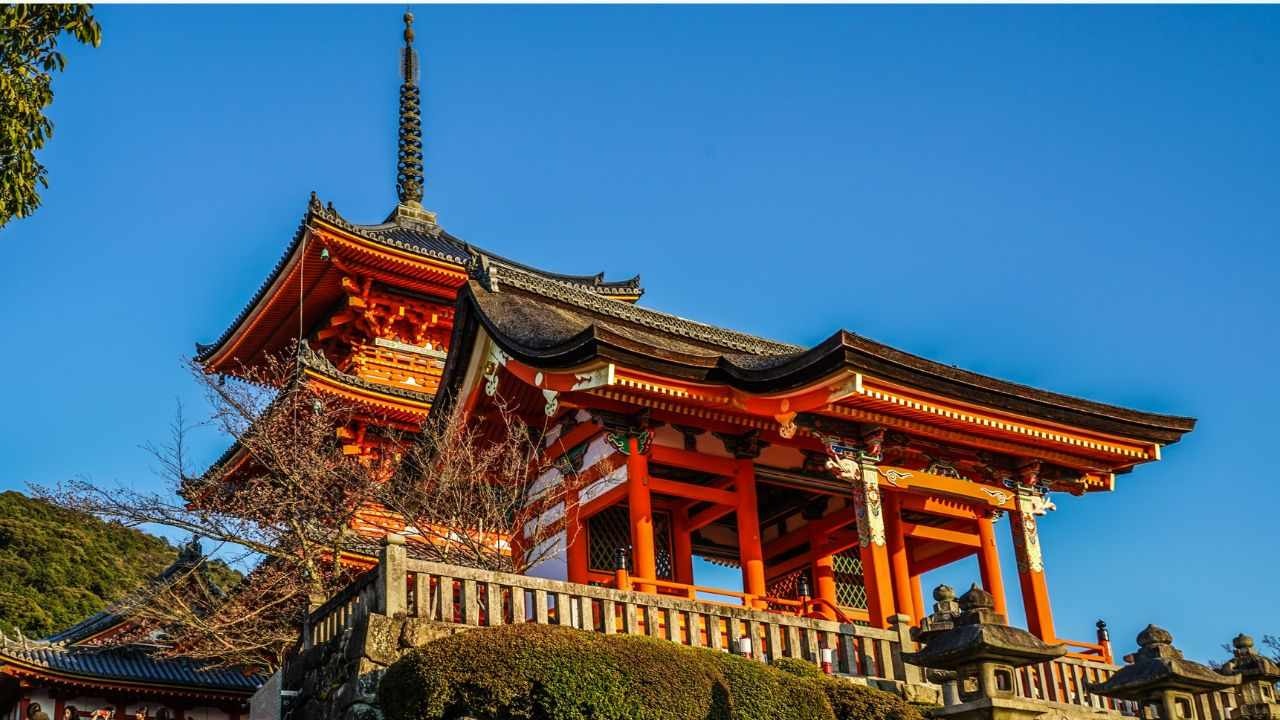
Overlooking the city from a hillside, Kiyomizu-dera is revered for its wooden stage that offers breathtaking views of Kyoto and cherry blossoms in spring. Inside, you’ll discover several shrines, including the Jishu Shrine, famously linked to love and relationships. This temple is particularly vibrant during festival seasons, conveniently situated near traditional streets in the historical Higashiyama district.
4. Fushimi Inari Taisha
Distinguished by its countless red torii gates winding up the sacred Mount Inari, Fushimi Inari is the most recognized Shinto shrine in Kyoto. Dedicated to the god of rice, Inari, it captivates visitors with its cultural significance and incredible photo opportunities. The trek to the summit is as rewarding as it is scenic, unveiling lesser-known shrines and offering a blend of cultural richness and outdoor adventure.
5. Tenryu-ji Temple
A UNESCO World Heritage Site, Tenryu-ji sits as the chief temple of the Rinzai Zen sect, located in the stunning Arashiyama district. Renowned for its exquisite gardens that harmonize with the stunning natural landscape, it offers peaceful views of nearby mountains and the Katsura River. A visit here allows for a serene escape into nature and Zen philosophy, perfectly suited for reflective strolls away from the city's busyness.
6. Nanzen-ji
One of the most revered Zen temples in Kyoto, Nanzen-ji is famous for its impressive architecture, sprawling grounds, and historical gates. Its various sub-temples and gardens shine particularly during autumn's vibrant leaf changes. Nearby, the renowned aqueduct presents a unique photo opportunity, blending natural beauty with traditional engineering. Here, guests can delve deeply into Zen culture while enjoying a peaceful exploration.
7. Ryoan-ji
Recognized globally for its iconic rock garden, Ryoan-ji captures the essence of Zen minimalism. Visitors are drawn to its meticulously arranged stones and raked gravel that symbolize islands in water. Ideal for contemplation and tranquility, this site embodies Zen Buddhist principles while the surrounding landscape offers seasonal beauty.
8. Byodo-in
Sitting just outside Kyoto in Uji, Byodo-in Temple is famed for its Phoenix Hall, a beautiful representation of Heian-era Buddhist architecture. Symbolizing Pure Land Paradise, it even graces the 10 yen coin. A museum on site displays Buddhist art, surrounded by delightful gardens that shine in every season, particularly during spring and autumn.
9. Kodai-ji
This hidden gem from the early 1600s is celebrated for its pristine gardens, charming tea houses, and mesmerizing bamboo groves. Kodai-ji showcases seasonal lighting events, creating a whimsical atmosphere. Visitors can admire the historical architecture and assorted art pieces while soaking in the serene setting.
Visiting Tips for Kyoto's Temples
-
Strategize your itinerary: With temples dispersed across various districts—Northeast (Kinkaku-ji), Southeast (Ginkaku-ji, Kiyomizu-dera), Arashiyama (Tenryu-ji), and nearby Uji (Byodo-in)—it’s best to group visits by location to maximize your time.
-
Arrive early: To stave off crowds, especially at popular locations like Kinkaku-ji and Fushimi Inari, consider early morning or late afternoon visits.
-
Verify opening hours: Most temples open at 9 AM and close around 5 PM, though this varies during holidays. Confirming ahead can save time.
-
Honor customs: Remember to remove shoes when necessary, keep noise levels down, and refrain from flash photography indoors.
-
Wear comfy footwear: Many temples involve walking on gravel paths or scaling steps, so wear suitable shoes.
Why Kyoto’s Temples Are Unmissable in Japan
These temples reflect centuries of Japan's artistic, historical, and spiritual heritage. From the stunning Kinkaku-ji to the serene Ryoan-ji gardens, each temple offers a distinctive experience steeped in cultural importance. Coupled with seasonal beauty—cherry blossoms in spring, lush summer foliage, vivid autumn colors, and occasional winter snow—each visit to Kyoto’s temples is a unique experience.
Final Thoughts
Kyoto’s temples are more than mere attractions; they represent Japan's rich cultural and spiritual history. Whether drawn to meditation, architecture, or the delight of photography, these 9 essential temples are must-visit sites on your enriching journey through Japan.