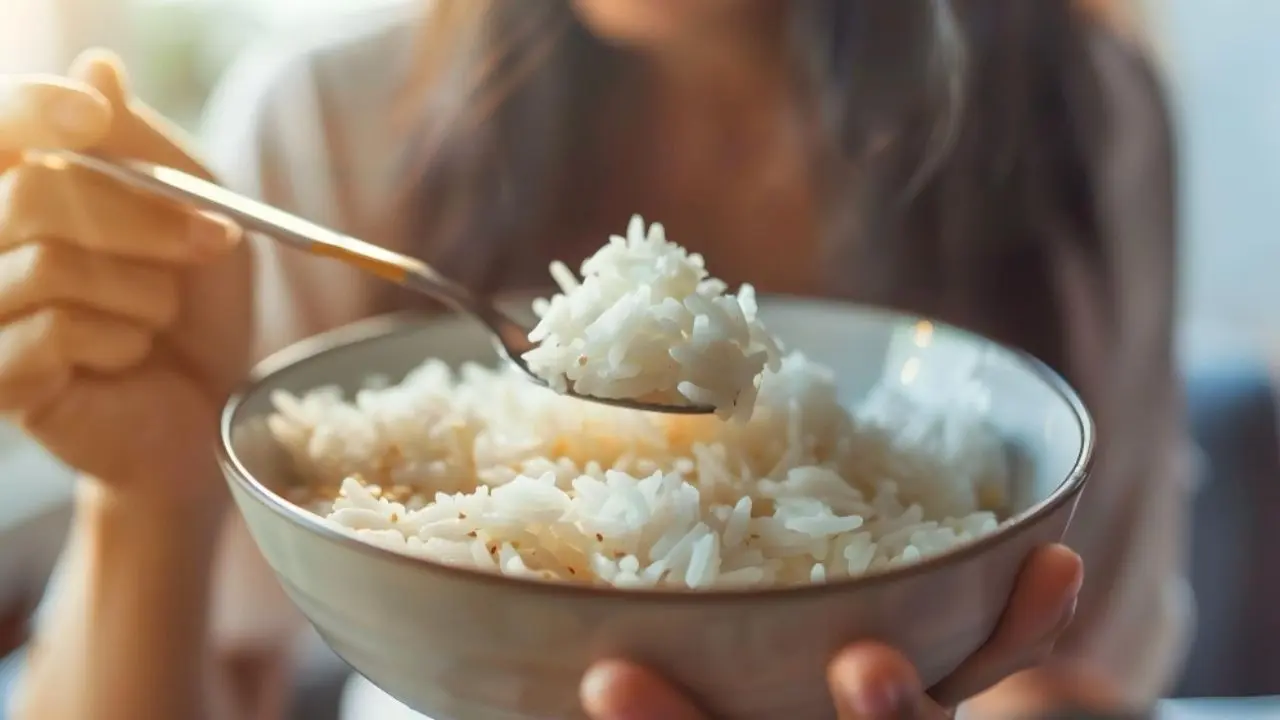
Rice Doesn't Lead to Diabetes: Experts Dispel This Misconception
Rice has long been inaccurately blamed for diabetes. Many households in Asia and the Middle East have developed an unwarranted anxiety about consuming rice. The misconception that rice elevates blood sugar levels directly correlates to diabetes is rooted in social media misinformation, incomplete dietary guidance, and miscommunication among acquaintances.
Medical professionals assert that rice alone does not cause diabetes. The reality is more nuanced and involves broader lifestyle patterns. This article simplifies these insights to ensure that everyone, including students, grasps the information without anxiety.
The Basis for Blame on Rice
Being rich in carbohydrates, rice is often viewed skeptically. Carbs break down into glucose during digestion, leading many to unjustly associate rice with elevated blood sugar and therefore diabetes.
Experts argue this reasoning is flawed. If rice truly sparked diabetes, we would have witnessed exorbitant rates of the disease in rice-consuming nations historically. Instead, millions of daily rice eaters remain diabetes-free.
The concern should focus on portion sizes, cooking methods, and general lifestyle choices.
The Professional Consensus
Health professionals widely agree:
No singular food item is responsible for diabetes.
Diabetes typically manifests due to a confluence of factors over time, such as:
Reasonable rice consumption, combined with a diverse diet, is generally safe for most individuals.
A Simplified View of Diabetes
Diabetes primarily occurs when the body struggles to maintain proper blood sugar levels due to:
Insulin, a hormone, facilitates the transfer of sugar from the blood into cells for energy. Ineffective functioning of this process leads to health issues as glucose accumulates in the bloodstream.
While eating rice may cause a temporary spike in blood sugar—similar to other carbohydrates like bread and fruits—diabetes becomes a concern only when elevated blood sugar persists over time.
White vs. Brown Rice: Key Differences
Health experts clarify that not all rice has the same impact.
White Rice
Brown Rice
This differentiation does not imply that white rice is entirely off-limits. Instead, individuals need to be mindful of portion sizes and dietary combinations, particularly if they face health challenges.
The Importance of Portion Control
One common error is overloading on rice in a single meal. Plates that are primarily filled with rice, lacking vegetables or protein, can contribute to blood sugar spikes.
Experts recommend:
-
Opt for small to moderate servings of rice
-
Avoid sole rice dishes
-
Incorporate veggies, legumes, eggs, fish, or lean meats
A well-rounded meal supports steady digestion and stable blood sugar rates.
Cooking Methods Matter
Rice preparation impacts its health implications.
Healthier choices consist of:
Less beneficial options may include:
Doctors note that slightly cooler rice could potentially exert a milder effect on blood sugar than steaming hot rice, but portion size remains paramount.
The Role of Complementary Foods
Consuming large servings of plain rice can spike blood sugar rapidly. However, when rice accompanies:
digestion slows, aiding in better sugar management. It is advisable to minimize large servings of plain rice without additional wholesome foods.
The Significance of Physical Activity
Experts emphasize the primacy of lifestyle choices over any individual foods.
Those who:
-
Engage in regular walking
-
Maintain a workout routine
-
Remain active throughout the day
utilize sugar more effectively. Their bodies manage carbohydrates, such as rice, far better than sedentary individuals. Increasing rates of diabetes can often be attributed to inactivity.
The Enduring Legacy of Rice
Rice has been a dietary staple in Asia, the Middle East, and Africa for centuries. It's affordable, satiating, and energizing, holding cultural significance.
Historically, people were more physically active and consumed fewer processed foods, leading to lower diabetes rates, even with high rice consumption. This indicates that contemporary lifestyle choices, not rice itself, primarily drive diabetes prevalence today.
Risks of Avoiding Rice
Eliminating rice without medical guidance can result in:
Doctors advocate for informed, well-rounded food choices rather than falling prey to diet fears.
Health-conscious Rice Consumption
Simple strategies suggested by experts include:
-
Controlling serving sizes
-
Pairing rice with proteins and veggies
-
Staying away from sugary beverages with meals
-
Avoiding heavy rice meals late in the evening
-
Maintaining daily activity
Incorporating these habits can allow individuals to enjoy rice healthily.
Rice is Not the Real Challenge
Medical professionals universally concur:
Rice does not lead to diabetes.
Culprit factors include inadequate exercise, unhealthy eating habits, stress management, and inadequate sleep. Rather than demonizing rice, focus on moderation, balanced meals, and an active lifestyle.
When properly consumed, rice can remain a safe and nutritious element of everyday meals.
Disclaimer
This article serves solely for general information and public awareness. It is not intended as a substitute for professional medical guidance, diagnosis, or treatment. Health situations, including diabetes, vary by individual, and readers should not depend on this information exclusively to make decisions regarding their health. Always consult a qualified medical practitioner before changing dietary habits, medications, or exercise routines.