Scoliosis refers to a sideways curvature of the spine, which can result in discomfort, limited mobility, and noticeable posture changes. While often identified during adolescence, this condition can also emerge in adults. Medical professionals note that treatment options vary based on the severity of the curve and the symptoms reported by the patient. Typical methods include physical therapy, the use of braces, and in severe cases, surgical intervention.
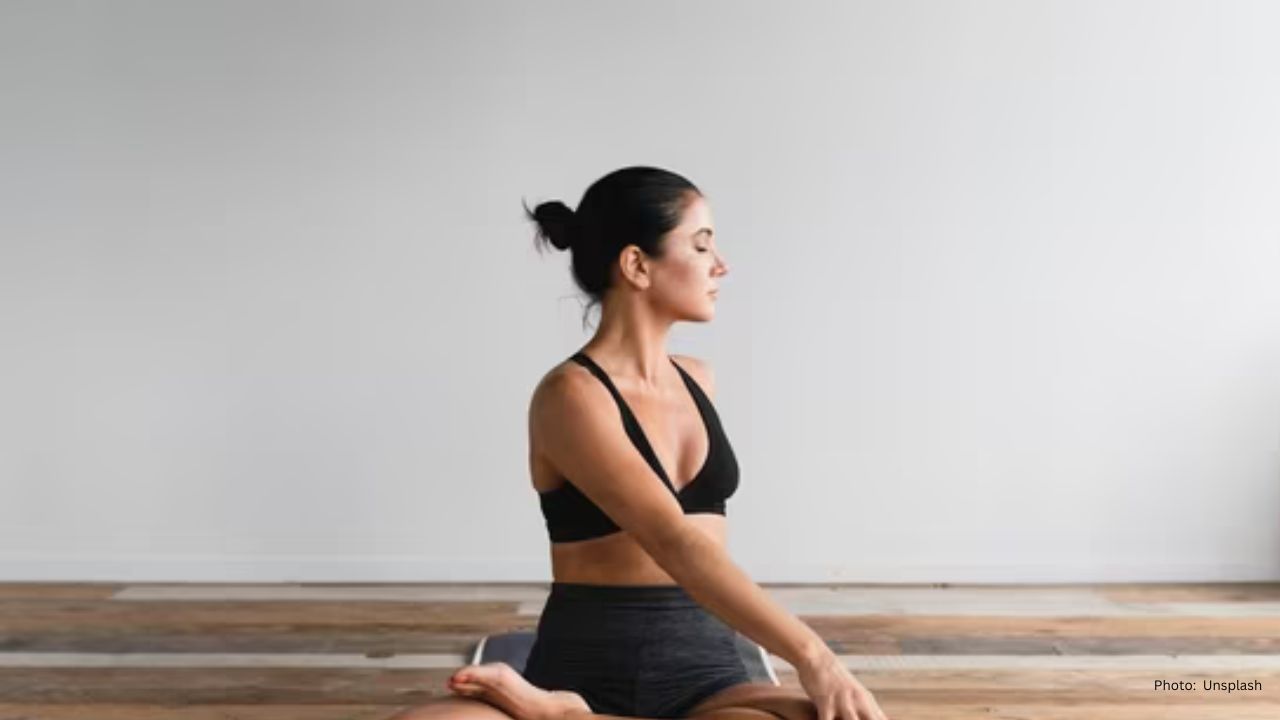
Recently, chiropractor and online influencer Dr. Thomas Lau shared an uncomplicated exercise that may assist individuals with scoliosis. He emphasized that prolonged sitting often contributes to stiffness and pain in the spine. Dr. Lau advocates for regular mobility exercises, which can help alleviate discomfort and enhance flexibility. He specifically highlights the cobra pose as a beneficial exercise for managing stiffness associated with scoliosis.
Dr. Lau noted that individuals who struggle to bend forward and touch both sides of the floor while seated might indicate limited spinal mobility. Incorporating spinal stretches into a daily routine could lead to gradual improvement. The cobra pose is straightforward to execute and requires no special equipment. Healthline suggests that this exercise might alleviate back tension, boost flexibility, reduce inflammation, enhance posture, and promote better sleep.
There are three primary types of scoliosis. Idiopathic scoliosis, the most prevalent form, typically occurs in children or teenagers and may have a genetic link. Congenital scoliosis originates at birth due to abnormal vertebral development during gestation. Neuromuscular scoliosis results from impaired muscle or nerve support for the spine, often associated with larger neuromuscular issues.
Scoliosis doesn't have a singular root cause; various factors can contribute to its development. In some instances, bone defects during early growth are the culprits, while other cases may stem from genetic anomalies, spinal tumors, injuries, or nerve and muscle disorders. In numerous patients, particularly those with idiopathic scoliosis, the exact cause remains unidentified.
Without proper management, scoliosis can lead to numerous complications, including chronic pain, physical deformities, nerve issues, spinal fluid leaks, breathing difficulties, and in extreme cases, internal organ damage. Early symptoms are often overlooked, but as the spine weakens with age, the condition may become more pronounced. Medical consultation is vital to prevent escalating discomfort.
Parents frequently express concern that physical activities, especially sports, should be avoided by children with scoliosis. However, experts clarify that sports are not detrimental; in fact, consistent exercise and movement can bolster the muscles surrounding the spine, improving posture and overall flexibility. Activities like stretching, yoga, and swimming are particularly beneficial for young athletes managing scoliosis.
While exercises such as the cobra pose can offer some relief, healthcare professionals caution that these practices should complement medical treatment rather than substitute it. The optimal approach will depend on the severity of the spinal curvature and the person's health status. Those with scoliosis are encouraged to consult their healthcare provider before embarking on any new exercise program.
This content serves an educational purpose and is not a substitute for professional medical guidance. Individuals experiencing symptoms of scoliosis or other back issues should seek expert evaluation and care.