Greenland has unexpectedly ascended to the forefront of international relations, following the arrival of European troops on the Arctic island to back Denmark. This development occurs amid ongoing discussions involving Denmark, Greenland, and the United States, which reveal significant disagreements regarding the island's future. The central issue is U.S. President Donald Trump’s recent assertions that Greenland should fall under American authority.
This self-governing territory remains a part of the Kingdom of Denmark, with Denmark overseeing its foreign affairs and defense, while Greenland operates its local government. Despite its small populace, Greenland's strategic position in the Arctic and its abundant natural resources render it crucial. The melting ice due to climate change has unlocked new shipping routes and access to minerals, intensifying global interest.
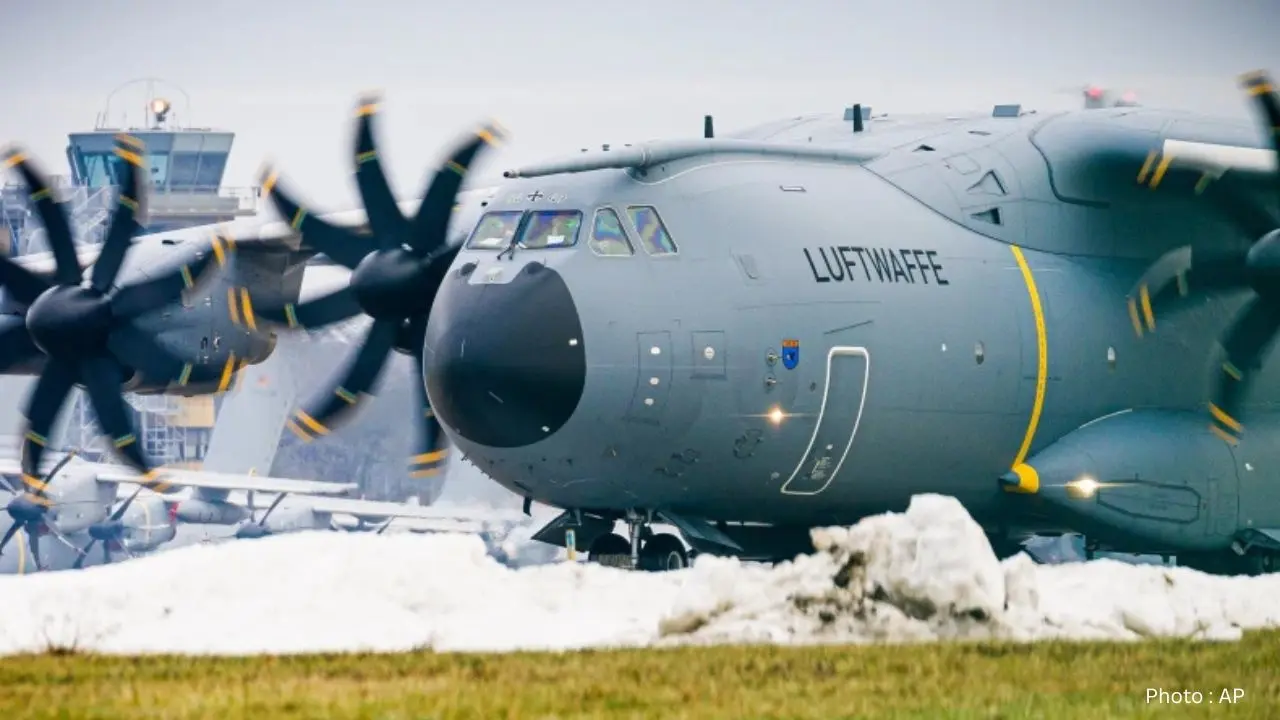
Just before high-stakes meetings with U.S. officials in Washington, Denmark announced plans to bolster its military footprint in Greenland. Subsequently, several NATO allies from Europe, including France, Germany, the United Kingdom, Norway, Sweden, and the Netherlands, dispatched small contingents of troops or committed to do so. These actions, while modest, are intended to underscore European solidarity and affirm that Greenland's security can be assured via NATO collaboration without altering its political status.
European leaders assert that the military presence is aimed at fostering stability in the Arctic amidst escalating interest from Russia and China. French representatives confirmed that a batch of soldiers has already reached Greenland for military training, and Germany reported deploying a small reconnaissance unit. Denmark has also indicated its intent to establish a lasting military presence by rotating NATO troops through the island over time.
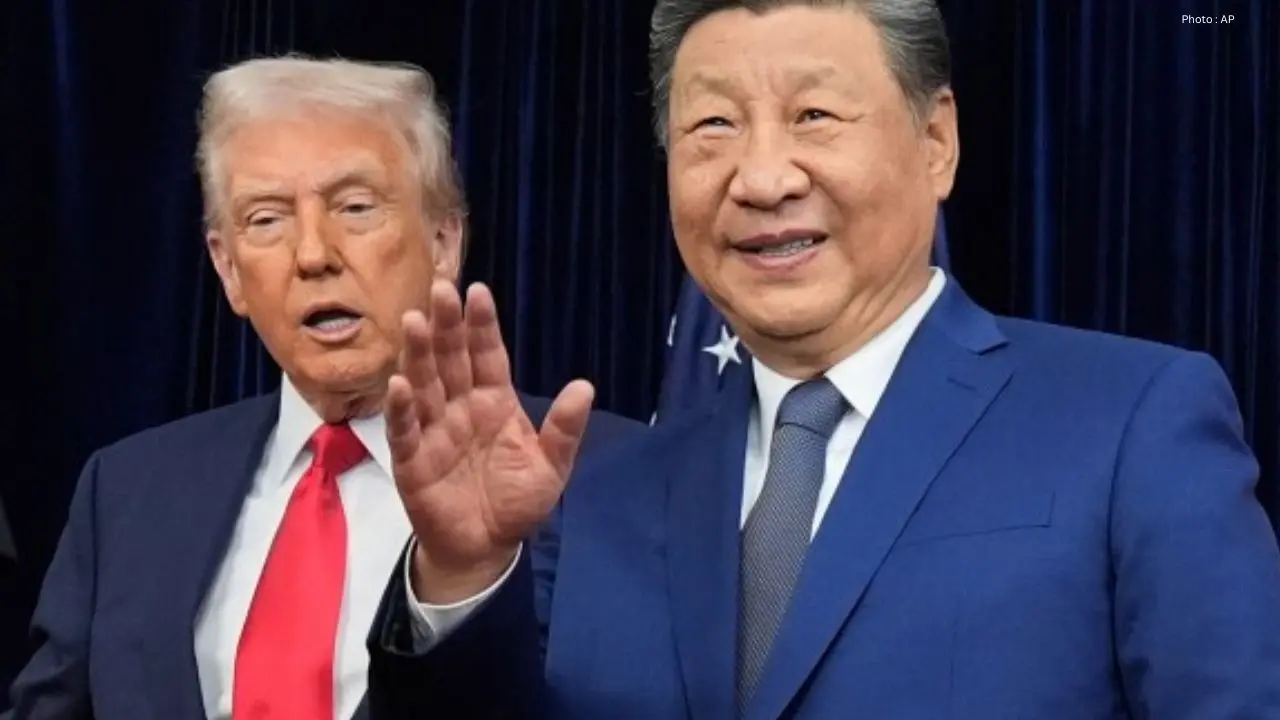
While European nations stressed collaboration, U.S. communications raised concerns for Danish and Greenlandic officials. The White House referred to upcoming discussions as talks about an "acquisition agreement," implying the U.S. views Greenland as potentially obtainable. Denmark firmly rejected this notion. The Danish Foreign Minister, Lars Løkke Rasmussen, clarified that these discussions aimed to tackle security issues and reinforce collaboration, not ownership.
Rasmussen candidly acknowledged a "fundamental disagreement" with President Trump, revealing that the U.S. leader continues to express a desire for Greenland's control, a position Denmark firmly opposes. According to Danish authorities, the future of Greenland should be determined by its own inhabitants, free from external coercion.
Greenlandic leaders have articulated their stance with even greater clarity. Prime Minister Jens-Frederik Nielsen emphasized that Greenland does not wish to be sold, ruled, or governed by the United States. His remarks resonate with local sentiment, where there are profound concerns that foreign dominance could jeopardize their autonomy, cultural identity, and way of life.
In Nuuk, the capital, residents exhibited mixed feelings. Some expressed relief that negotiations are progressing and that European allies are visibly backing their position. Others voiced unease due to the lack of a clear resolution. Many locals believe the conflict extends beyond security insecurities to encompass Greenland’s untouched reserves of oil, gas, and minerals.
Some residents felt reassured by the presence of European troops. While they do not foresee armed conflict with the United States, they regard the European military presence as a safeguard against political pressure. The solidarity shown by Nordic and European countries signifies that Greenland is not isolated in this pivotal time.
NATO officials described the military movements as standard alliance protocols. Denmark has kept NATO informed about its operations in Greenland, with alliance leaders acknowledging the Arctic's importance for transatlantic security and asserting the necessity of reinforcing defenses given the unpredictable global landscape.
Russia has sharply criticized these developments, with its embassy accusing Western nations of fabricating threats and promoting an aggressive agenda in the Arctic. Moscow advocates for a peaceful and cooperative approach to the region, opposing its transformation into a battleground for military rivalry. This reaction illustrates how Greenland has become entwined in a broader geopolitical contest for influence in the Arctic.
The complexities surrounding Greenland extend far beyond merely one territory. They reflect a broader evaluation of sovereignty, diplomacy, and unity among alliances. Denmark and Greenland are resolutely asserting their position, with European allies demonstrating solidarity, while the U.S. persists in advancing claims that have unsettled even its closest partners.
As conversations progress and rotations of troops occur on the island, Greenland's future remains shrouded in ambiguity. What remains evident is that Greenland’s voice is becoming increasingly prominent. No longer relegated as a remote Arctic territory, it symbolizes the intricate dynamics of security, resources, and global power that are redefining modern international relations.