France, Germany, the European Union, and the United Kingdom have expressed strong discontent over the US decision to enact travel restrictions on five European figures, escalating tensions between Washington and its key allies.
This action, revealed by the US State Department on Tuesday, targets individuals whom the Trump administration claims pressured tech companies to silence American perspectives online. European leaders reacted quickly and unitedly, stressing what they view as an unjust intrusion into Europe’s autonomy over regulations.
The European Commission, tasked with overseeing digital regulations, has formally sought clarification from the US government. In a statement, the Commission warned that it would respond to any “unjustified actions” taken against European officials or civil society members.
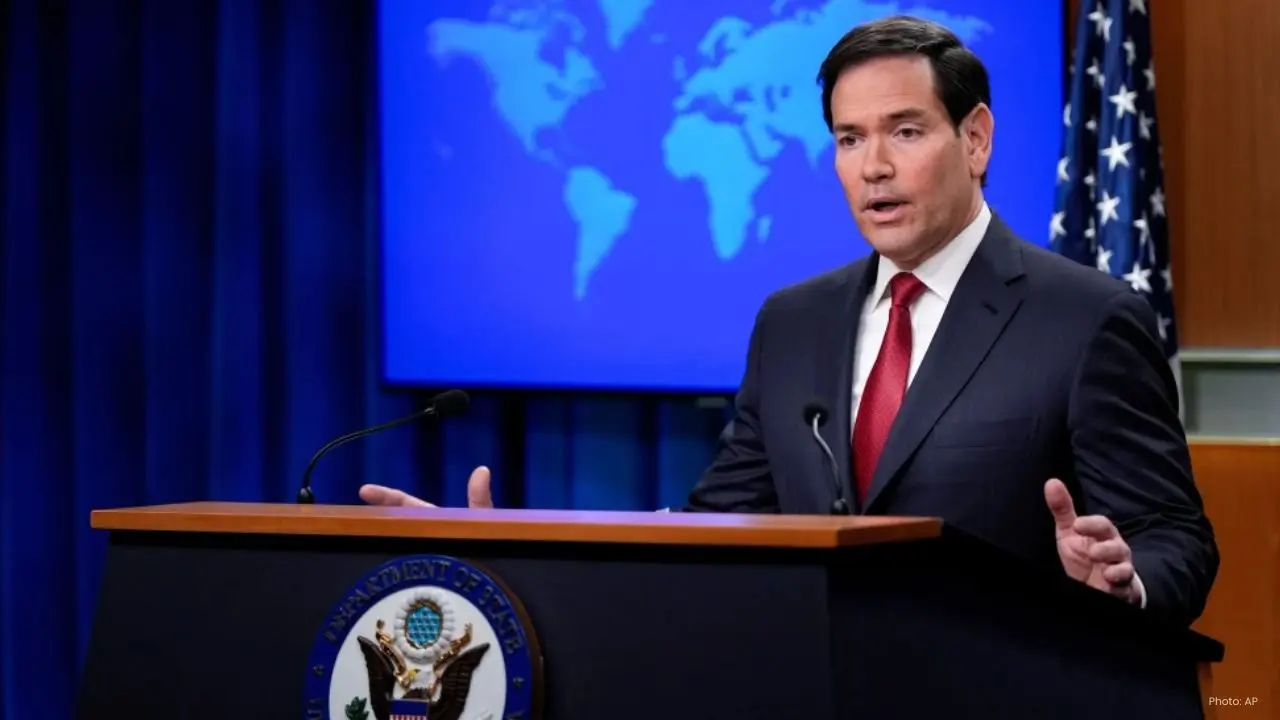
Defending the move, US Secretary of State Marco Rubio characterized the five Europeans as “radical” advocates associated with “weaponized” NGOs. According to Rubio, these European figures have tried to coerce US platforms into suppressing dissenting views.
Thierry Breton, a prominent European commissioner overseeing digital regulations, is among those banned. Breton, also a businessman and former French finance minister, previously argued with tech leader Elon Musk on content moderation and sensitive political discussions leading up to the US elections.
Emmanuel Macron, the French President, reached out to Breton after the US announcement, emphasizing that France supports its European officials. In a message on X, Macron asserted that EU digital regulations come from a democratic process involving all member states and aren’t intended to target any particular nation.
Macron further stated, “The regulations governing the EU's digital landscape should not be dictated from outside Europe,” affirming that the bloc would safeguard its citizens from external pressures.
Germany has echoed these sentiments. Foreign Minister Johann Wadephul described the entry bans as “unacceptable,” especially towards leaders from German organizations. He mentioned that Berlin will address its concerns with Washington over its interpretation of EU digital laws, aiming to maintain the vital transatlantic relationship.
Besides Breton, the other individuals affected by the US restrictions include Imran Ahmed, leader of the Center for Countering Digital Hate; Josephine Ballon and Anna-Lena von Hodenberg from the German group HateAid; and Clare Melford, director of the Global Disinformation Index.
EU Council President António Costa condemned the US action as “unacceptable among allies.” He reaffirmed the EU's commitment to uphold free expression, credible digital regulations, and the right to define its own market standards.
In the UK, government officials expressed support for keeping the internet free from harmful content while acknowledging the sovereignty of nations in determining visa policies.
These travel restrictions arise from a US visa policy implemented in May, targeting foreign nationals deemed responsible for suppressing speech that is protected by US laws. Rubio stated that these Europeans have promoted censorship efforts on behalf of foreign governments, raising significant foreign policy implications.
European officials dispute this narrative. Responding on X, Breton emphasized that the Digital Services Act was unanimously ratified by all 27 EU member states in 2022, reflecting a democratic consensus. He added, “Censorship isn’t where you think it is,” signaling to US critics.
This conflict highlights the increasing discord between Washington and Europe regarding regulations on online expression, turning immigration law into a new focal point in a broader transatlantic discussion.