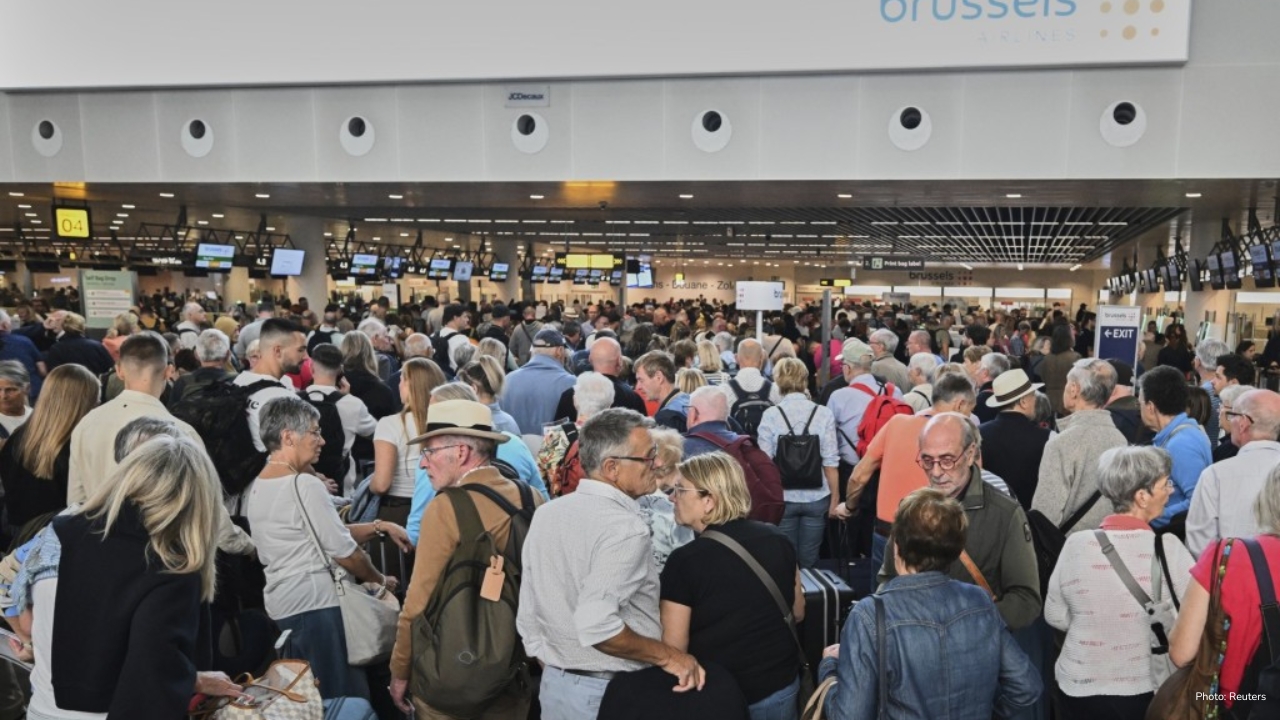
On September 21, 2025, major airports in Europe experienced widespread disruptions after a cyberattack targeted check-in and booking systems, causing flight delays, long queues, and cancellations. The incident affected several prominent airports, including Brussels Airport in Belgium, Berlin Brandenburg Airport in Germany, and London’s Heathrow Airport in the United Kingdom.
Airports and airlines scrambled to restore operations, working with cybersecurity experts and IT teams to prevent further problems. The event highlighted the growing risk of cyberattacks in critical infrastructure, especially in sectors like aviation, where technology plays a key role in operations.
What Happened
The cyberattack targeted the digital systems that handle check-in, boarding passes, and flight information. This caused computer systems to crash at several airports simultaneously. Travelers reported long lines at check-in counters, delays in boarding, and confusion over flight schedules.
Brussels Airport confirmed that it had experienced a technical disruption affecting check-in machines and online booking systems. Although the airport did not immediately label the incident as a hacking attack, cybersecurity experts suggested that malware or unauthorized access to the system could be the reason.
Berlin Brandenburg Airport also reported delays and temporary suspension of self-service check-in kiosks. Airlines had to manually check in passengers, which significantly slowed down the boarding process and created long queues.
Heathrow Airport, one of the busiest airports in Europe, also faced delays in online check-in and flight information displays. Many travelers were forced to wait at counters for assistance, and airlines had to adjust boarding procedures to prevent chaos.
Airlines and Passengers React
Airlines affected by the disruption issued statements asking passengers to arrive early and expect delays. Some airlines, including major European carriers, had to reschedule flights or cancel a few trips due to the technology failure.
Passengers reported frustration on social media. Many described hours-long waits at check-in desks, confusion over gate numbers, and uncertainty about flight departures. Some travelers missed connections because manual processing took much longer than usual.
Despite the inconvenience, most travelers were patient, understanding that airports and airlines were working to restore services as quickly as possible. Airport officials emphasized that passenger safety was never compromised, and all flights were eventually processed.
How Cyberattacks Affect Airports
Airports today rely heavily on technology for daily operations. Systems that manage check-in, baggage handling, boarding, flight schedules, and security checks are connected to computer networks.
- A cyberattack on these systems can cause widespread disruption even if it does not directly affect the airplanes themselves. For instance:
- Check-in systems crash: Passengers cannot get boarding passes or confirm reservations.
- Baggage tracking fails: Luggage may be delayed or misplaced.
- Flight information displays freeze: Travelers do not know gate numbers or departure times.
- Airline databases are inaccessible: Airlines cannot quickly confirm passenger identities or process tickets.
Such attacks also create security concerns, as airports must ensure that sensitive passenger information is protected. Even a short disruption can lead to financial losses, reputational damage, and operational delays.
The Response
Airport authorities worked rapidly to fix the systems. IT teams implemented backup procedures, manually processed check-ins, and coordinated with airlines to keep passengers moving.
Security experts were called in to investigate the cause of the glitch and to ensure there were no lingering threats in the network. Officials did not immediately confirm the identity of the hackers or whether it was a coordinated attack, but European aviation regulators have been warning about cyber risks in airports for years.
Brussels Airport issued a statement: “We experienced technical issues with our check-in systems earlier today. Our teams are working to restore normal operations as quickly as possible. Passenger safety remains our top priority.”
Heathrow Airport said: “Our systems faced temporary disruptions. Manual procedures were implemented to check in passengers safely. We are closely monitoring the situation and coordinating with airlines to minimize delays.”
Global Context of Cybersecurity Threats
The aviation industry is a high-profile target for cyberattacks because disruptions can quickly create chaos and attract media attention. Experts say hackers may target airlines or airports to:
Cause financial losses
Steal personal data of passengers
Demonstrate the vulnerability of critical infrastructure
Gain leverage for political or ideological purposes
International agencies, including the European Union Aviation Safety Agency (EASA) and the International Civil Aviation Organization (ICAO), have repeatedly emphasized the importance of cybersecurity preparedness in airports. They recommend regular system updates, employee training, and robust incident response plans.
The recent incident shows that even well-prepared airports are vulnerable to sophisticated attacks, and constant vigilance is required.
The Impact on Passengers and Airlines
The disruption affected tens of thousands of travelers across Europe. Many passengers reported missing flights, while others faced delays ranging from 30 minutes to several hours.
Airlines had to adjust schedules, prioritize connecting flights, and assist passengers with rebooking. Customer service desks were overwhelmed, and some travelers had to wait in line for extended periods.
For the airlines, the incident resulted in financial losses due to rescheduled flights, delayed cargo, and increased staffing needs. Airports also faced costs related to manual processing, IT support, and cybersecurity investigations.
Despite these challenges, most officials said the disruption was handled efficiently and without endangering passengers. Backup procedures ensured that flights continued, luggage was eventually processed, and travelers reached their destinations safely.
Lessons Learned
The cyberattack highlights several important lessons for the aviation industry:
Invest in cybersecurity: Airports and airlines need robust firewalls, encryption, and monitoring systems to protect against attacks.
Backup systems are essential: Manual check-ins, paper boarding passes, and alternate communication methods can reduce the impact of IT failures.
Training staff for emergencies: Employees should be prepared to handle disruptions calmly and efficiently.
International coordination: Airlines, airports, and regulators must collaborate to share information and respond quickly to cyber threats.
Cybersecurity experts say incidents like this are a warning for the entire aviation sector, as reliance on digital systems grows. Without proper safeguards, even minor glitches can escalate into major operational and financial problems.
Statements From Officials
Officials from the affected airports emphasized that passenger safety was never compromised and that all systems were being restored.
A spokesperson for Berlin Brandenburg Airport said: “We have taken immediate steps to restore all systems. Staff are manually assisting passengers to ensure flights depart safely.”
European aviation authorities are monitoring the situation closely. Regulators may issue guidelines or require audits to prevent similar disruptions in the future.
Future Preparedness
Airports in Europe and worldwide are expected to increase investment in cybersecurity. This may include:
Advanced firewalls and intrusion detection systems
Regular vulnerability testing and security audits
Employee training programs for cyber incident response
Collaboration with tech companies and cybersecurity firms
Officials emphasize that technology can improve airport efficiency, but it also introduces risks. Preparing for unexpected disruptions is essential to keep operations running smoothly.
Global Aviation and Technology
The incident in Europe is part of a larger global trend, where transportation systems increasingly rely on technology. Airports now use automated check-in kiosks, biometric verification, digital boarding passes, and real-time flight tracking.
While these technologies improve efficiency and convenience, they also create new vulnerabilities. Cybersecurity is no longer optional; it is a core component of safe and reliable airport operations.
Experts recommend that airports treat IT systems with the same importance as runways, aircraft maintenance, and air traffic control. A disruption in digital systems can have a cascading effect, delaying flights, affecting cargo, and inconveniencing passengers.
The cyberattack on European airports on September 21, 2025, disrupted check-in systems at major hubs including Brussels, Berlin, and Heathrow. Passengers faced long lines, flight delays, and cancellations, while airlines and airport staff worked to restore services.
The incident underscores the vulnerability of modern airports to cyber threats. Even short disruptions can have serious consequences for passengers, airlines, and airport operations.
European airports and aviation authorities are taking steps to strengthen cybersecurity, improve backup systems, and train staff to handle emergencies. Meanwhile, passengers are reminded to arrive early, stay informed, and remain patient during unexpected disruptions.
As airports continue to rely on technology, cybersecurity will remain a critical priority. Incidents like this serve as a reminder that digital safety is just as important as physical safety in keeping air travel secure, reliable, and efficient.