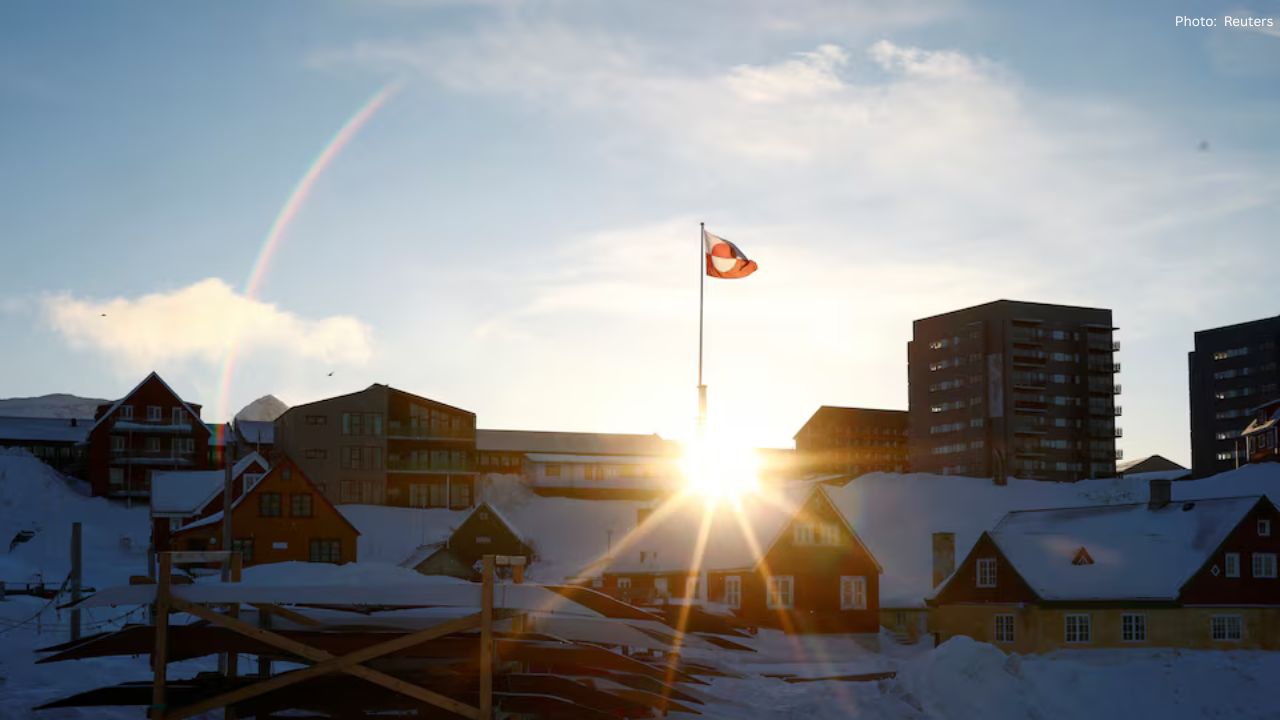
European leaders have united in their strong support for Denmark and Greenland following renewed remarks from U.S. President Donald Trump regarding the Arctic territory. The collective message was unequivocal: Greenland is the rightful home for its inhabitants, and any decisions regarding its future must solely involve Denmark and its people.
In a cohesive statement, leaders from France, Germany, Italy, Poland, Spain, Britain, and Denmark conveyed that outside nations should not dictate the future of Greenland. The members emphasized that deliberations about Greenland’s status should remain within the authority of Denmark and the Greenlandic populace.
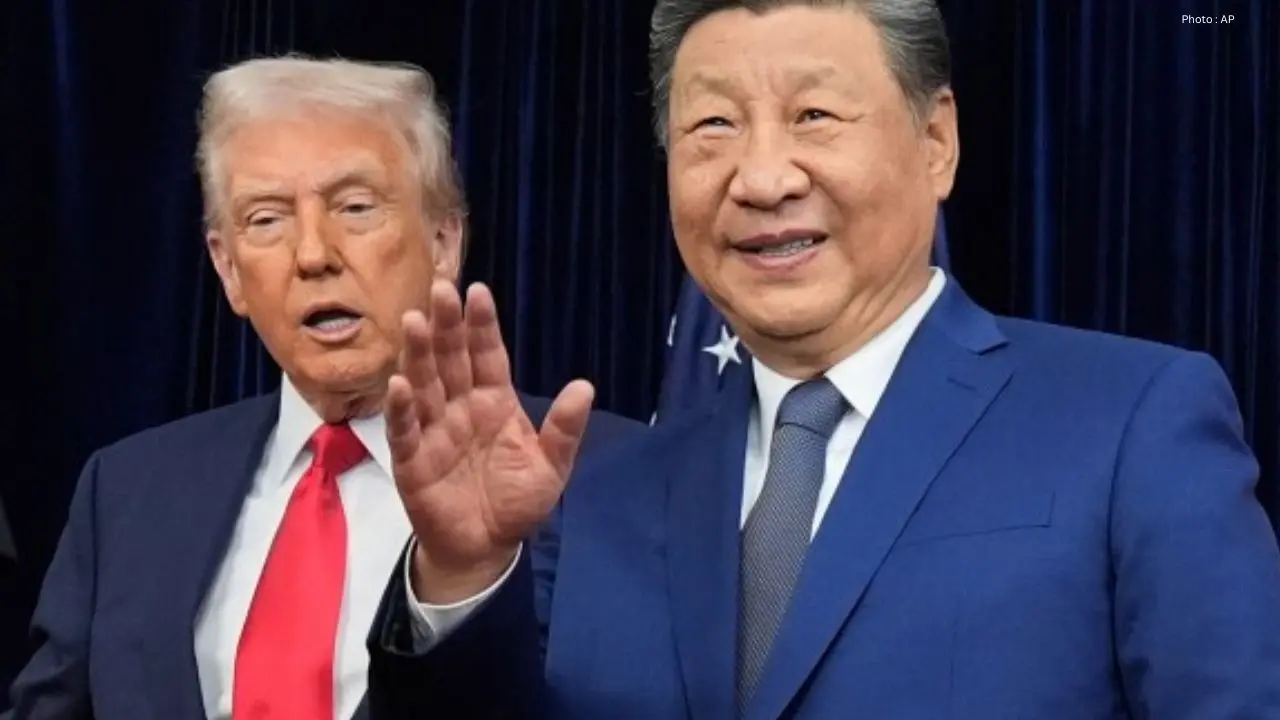
This display of solidarity arose after President Trump reiterated that the U.S. 'needs' Greenland for security purposes. His comments stirred apprehension across Europe, particularly following a recent U.S. military engagement in Venezuela, which has unsettled many of Washington’s partners. Some European officials are concerned that strong rhetoric could eventually escalate into decisive actions.
The leaders also emphasized the importance of security in the Arctic region, advocating that ensuring Arctic safety should be a collective responsibility through NATO, encompassing both European nations and the United States. NATO has already characterized the Arctic as a key area of focus, and European allies are reportedly enhancing their presence and investments there to mitigate threats and uphold peace.
Greenland, the world's largest island, is home to approximately 57,000 residents. Although not an independent member of NATO, its security is assured through Denmark’s alliance membership. Its geographical positioning between Europe and North America significantly enhances its importance for military defense systems, including missile detection and tracking.
The island is also abundant in minerals, further elevating its international significance. Various nations perceive these resources as crucial, especially in efforts to lessen reliance on supplies from China. This military and economic significance is a principal factor behind Greenland's frequent appearance in global geopolitical dialogues.
In light of Washington's strong rhetoric, Greenland’s Prime Minister Jens-Frederik Nielsen has attempted to alleviate concerns. He expressed the desire for improved collaboration with the United States and reassured that citizens need not fear an immediate takeover. His remarks suggest that Greenland seeks robust partnerships while maintaining control over its destiny.
For Europe, the matter transcends the fate of an island. It concerns adherence to global protocols, respect for sovereignty, and trust among allies. By supporting Denmark and Greenland, European leaders are signaling that changes to borders and governance cannot be forcibly enacted.
Amid rising global tensions and the increasing significance of the Arctic, Greenland is poised to remain under international scrutiny. For now, Europe’s message is resolute: the future of the region must prioritize collaboration, respect, and shared security.