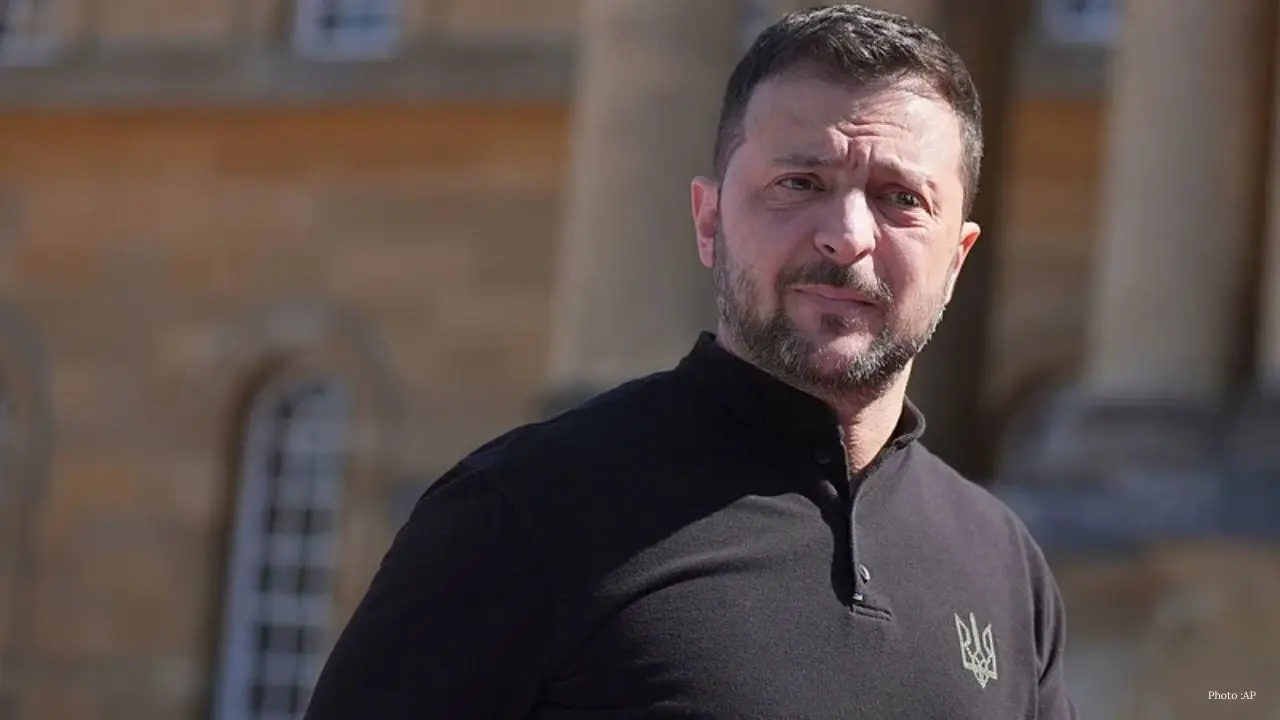
European leaders have expressed support for Ukrainian President Volodymyr Zelenskyy's proposal to hold direct talks with Russian President Vladimir Putin in an effort to secure a ceasefire and move closer to ending the war in Ukraine.
The backing from European governments comes as diplomatic efforts to reduce hostilities have intensified amid growing concerns over the prolonged conflict and its humanitarian and economic consequences. Leaders across Europe have emphasized the importance of dialogue and have encouraged both sides to pursue negotiations aimed at achieving a lasting peace.
President Zelenskyy has proposed direct discussions with Putin as part of broader efforts to secure a ceasefire and create conditions for future peace negotiations. Ukrainian officials have argued that high-level talks between the two leaders could help break the current deadlock and provide an opportunity to address key issues surrounding the conflict.
European leaders welcomed the proposal, describing direct communication as an important step toward reducing tensions and preventing further escalation. They stressed that diplomatic solutions remain essential despite the challenges that have complicated previous attempts to end the war.
Since Russia launched its full-scale invasion of Ukraine in 2022, numerous rounds of negotiations have taken place, but efforts to reach a comprehensive settlement have largely failed. Military operations have continued across several regions, resulting in thousands of casualties and widespread destruction.
Supporters of renewed talks believe that face-to-face discussions between the leaders of Russia and Ukraine could create momentum for a ceasefire and open the door to broader negotiations involving security guarantees, territorial disputes, and humanitarian issues.
European officials have consistently maintained that any peace process should respect Ukraine's sovereignty and territorial integrity. At the same time, they have continued to support diplomatic initiatives designed to reduce violence and create conditions for a stable and lasting settlement.
The proposal comes at a time when international attention remains focused on the conflict's impact on global security, food supplies, and energy markets. Governments and international organizations have repeatedly called for efforts to avoid further escalation and to protect civilians affected by the fighting.
While Moscow has not publicly rejected the possibility of direct talks, Russian officials have maintained that negotiations must take into account what they describe as the realities on the ground. Differences between the positions of Kyiv and Moscow have complicated previous diplomatic initiatives.
Analysts say that securing a ceasefire remains a difficult challenge because of the deep divisions between the two sides. However, they note that direct communication between leaders could provide an opportunity to rebuild trust and explore areas of potential compromise.
The European Union and several individual European countries have played active roles in supporting Ukraine politically, financially, and militarily since the conflict began. At the same time, they have repeatedly stated that diplomacy remains the preferred path toward ending the war.
International leaders continue to encourage efforts aimed at bringing both parties to the negotiating table. Humanitarian organizations have also stressed the urgent need for measures that could reduce civilian suffering and facilitate aid deliveries to affected regions.
Although significant obstacles remain, European leaders believe that renewed diplomatic engagement could help prevent further escalation and lay the groundwork for future peace efforts. The coming weeks may prove critical in determining whether the proposal for direct talks can translate into meaningful negotiations and eventually contribute to a ceasefire.
Any breakthrough in dialogue would have far-reaching implications not only for Ukraine and Russia but also for European security and global stability. As diplomatic efforts continue, the international community will be closely watching whether both sides are willing to engage in talks that could shape the next phase of the conflict.
Stay connected with us for all the latest major updates and developments.