An escalated diplomatic conflict has erupted between the United States and Europe following the imposition of visa restrictions on a number of European activists tackling online hate and misinformation. The European Union, alongside France and Germany, has expressed strong condemnation of these restrictions, labeling them as acts of censorship and political coercion.
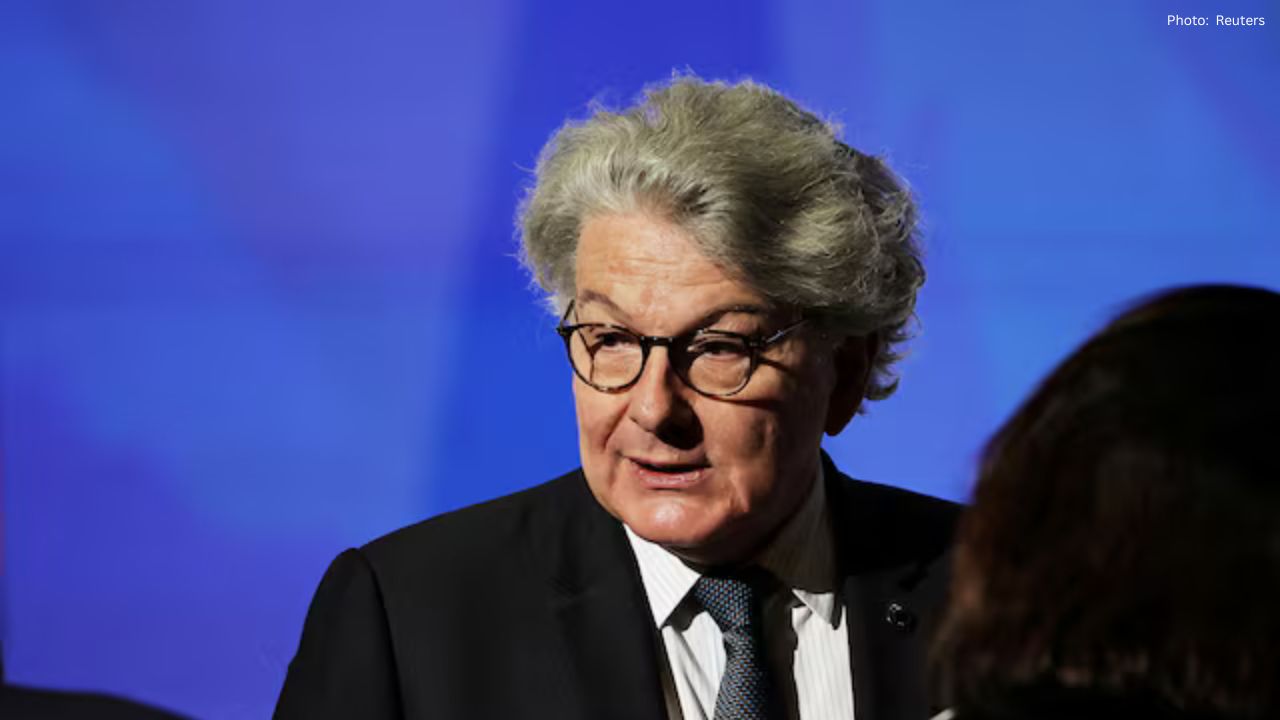
The US government has accused five European individuals of attempting to limit free speech and unfairly targeting American tech firms through stringent digital regulations. Thierry Breton, a former EU commissioner and key figure behind the EU’s Digital Services Act (DSA), is among those affected, along with campaigners from Germany and Britain focused on combating online hate and misinformation.
European authorities reacted promptly. The European Commission declared its stern disapproval of the decision, warning that the EU may respond promptly and assertively if necessary. Officials emphasized that both Europe and the United States share a fundamental commitment to freedom of expression and that regulating online platforms does not constitute censorship.
At the core of the disagreement lies the Digital Services Act, an important EU regulation aimed at ensuring a safer internet. The DSA compels major online platforms to take action against illegal content, including hate speech, child abuse imagery, and dangerous misinformation. US representatives contend that these rules unreasonably restrict free expression and disadvantage American technology companies.
Tensions have been escalating for several months. Earlier this month, the EU fined Elon Musk’s social media platform X a substantial 120 million euros for violating content regulations. Musk has openly criticized EU regulators, while US officials have expressed concern that Europe’s digital legislation impinges on free expression.
French President Emmanuel Macron characterized the visa restrictions as “intimidation and coercion” designed to undermine Europe’s authority over its digital ecosystem. He emphasized that the DSA was enacted through a democratic process and applies uniformly to all companies, irrespective of their country of origin. Macron also pointed out that what is considered illegal offline should similarly be deemed illegal online.
Germany voiced a similar sentiment. The country’s Ministry of Justice stated that the visa bans on German activists were intolerable and highlighted a misunderstanding of Europe’s legal framework. They asserted that Europe has the sovereign right to establish its own digital regulations free from external influence.
The individuals targeted by the visa restrictions also shared their perspectives. Thierry Breton raised concerns about whether the US was reverting to political “witch hunts” and reminded the American public that the DSA received wide approval from all EU member states and a large segment of elected officials. Advocacy groups criticized the bans as an affront to free speech, warning that governments must refrain from using visa policies as tools to silence dissenters.
This disagreement underscores an expanding divide between Washington and European capitals concerning issues like free speech, technology governance, and digital sovereignty. As both parties claim to champion liberty, the confrontation prompts a profound inquiry: who determines the regulations for the global online landscape?