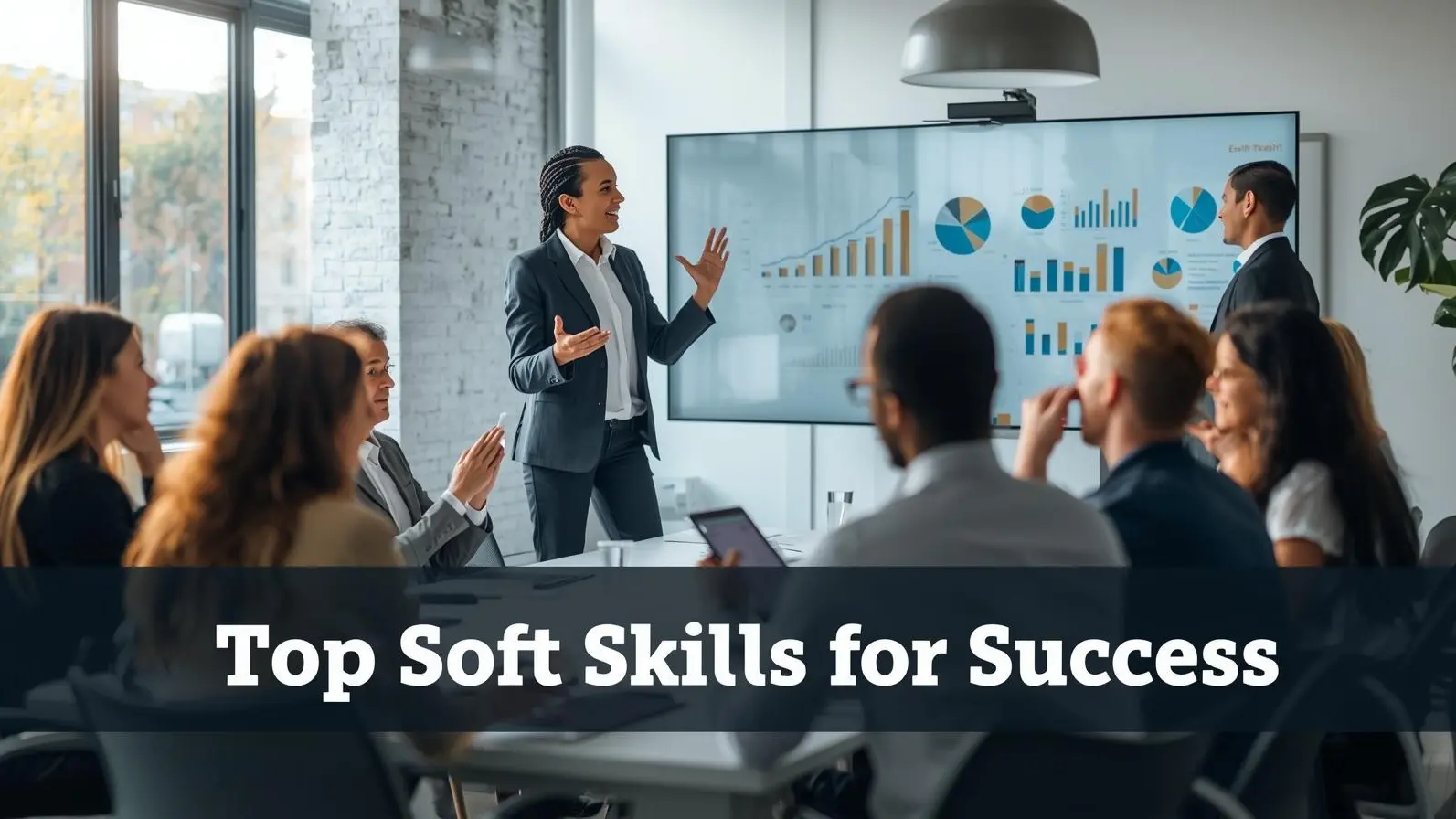
Essential Soft Skills for Career Advancement
In the modern job landscape, having technical knowledge is often insufficient. With many professionals possessing similar qualifications, it’s the ability to communicate, collaborate, and problem-solve that distinguishes one individual from another. This is the significance of soft skills.
Soft skills have transitioned from being merely advantageous to becoming vital for long-term career success. Numerous employers now prioritize soft skills for career advancement, given their direct impact on performance and leadership capabilities.
Let’s delve into the essential soft skills you should cultivate to progress in your career and understand their importance.
Communication Skills – The Cornerstone of Any Career
Effective communication is one of the most vital skills to hone. It extends beyond just speaking well; it encompasses clearly expressing ideas, active listening, and effectively understanding others.
In every role, be it within a team or with clients, strong communication fosters efficiency and minimizes misunderstandings. It also enhances your confidence in presenting your ideas, which is indispensable for career growth.
Developing effective communication skills in your job can unlock leadership avenues and improve professional relationships.
Problem-Solving Skills – Think Critically
Every position presents challenges. What defines a valuable employee is their approach to these challenges. Employers seek individuals who can analyze situations, think logically, and derive practical solutions.
Problem-solving does not mean having all the answers; it’s about asking insightful questions and considering diverse options.
This skill sets you apart by demonstrating your ability to take on responsibilities and contribute meaningfully—the essence of developing critical thinking and decision-making abilities.
Adaptability – Thrive in a Changing Environment
The workplace is in constant flux, with new tools, technologies, and methods emerging regularly. Being adaptable allows you to pivot quickly and maintain high performance.
Individuals resistant to change often fall behind, while those who embrace it propel forward. Adaptability signifies a willingness to learn and tackle new challenges.
This is why adaptability in your profession is deemed one of the most respected skills nowadays.
Time Management – Optimize Your Efforts
Being busy does not equate to productivity. Time management entails prioritizing tasks, sidestepping distractions, and utilizing your time wisely.
Professionals adept at time management produce superior results and face less stress, allowing them to focus on priority projects rather than reacting to emergencies.
Strong time management abilities for productivity are pivotal for professional growth, especially in high-pressure settings.
Emotional Intelligence – Enhance Interpersonal Skills
Emotional intelligence refers to understanding your emotions and those of others. It enables thoughtful responses instead of knee-jerk reactions.
In a professional setting, this skill enhances teamwork, mitigates conflicts, and fosters trust. It’s also key to effective leadership, as understanding people is crucial for management.
Developing emotional intelligence at work can dramatically boost your relationships and overall effectiveness.
Teamwork and Collaboration – Elevate Together
Collaboration is fundamental in most workplaces. The ability to work harmoniously with others, respect varied opinions, and contribute toward collective objectives is critical.
Teamwork transcends mere cooperation; it involves adding value while supporting others. Effective collaboration yields better outcomes and enhances workplace morale.
Thus, teamwork skills in professional settings are highly sought after by employers.
Leadership Skills – Influence Without Authority
Leadership is not exclusive to those in managerial positions. It encompasses initiative, direction, and accountability for outcomes.
Professionals who demonstrate leadership traits often gain quick recognition and are entrusted with additional responsibilities, enhancing their prospects for career progression.
Fostering leadership capabilities for career advancement transitions you from execution to strategizing roles.
Lifelong Learning Mindset – Continuous Improvement
The most accomplished professionals are avid learners, always searching for ways to enhance their skillset and knowledge.
A learning mindset allows you to stay competitive and navigate new challenges successfully. It also signals to employers that you're proactive and dedicated to self-improvement.
Embracing a continuous learning perspective is a powerful indicator of sustained success.
Why Soft Skills Are More Crucial Than Ever
As automation and technology advance, technical skills can quickly become outdated. In contrast, soft skills retain their relevance across various industries and job roles.
They enhance communication, facilitate problem-solving, and nurture strong relationships—all critical components for achieving success in any career.
Focusing on these skills will provide you a long-term advantage as you build a successful and sustainable career trajectory.
Skills That Distinguish You
Career advancement is not solely dependent on your knowledge; it’s about how you leverage it. Soft skills empower you to apply your knowledge effectively, helping you excel in a competitive job market.
Begin by honing one skill at a time. Practice diligently, gather feedback, and aim for tangible progress.
With time, these skills will enhance your professional growth while boosting your confidence and competence in all areas of life.
Disclaimer
This article serves an informational purpose and illustrates general insights into career development. Skill enhancement and professional progression rely on individual efforts, sector demands, and available opportunities. Outcomes may vary.