Why Eco-Friendly Souvenirs Are Essential
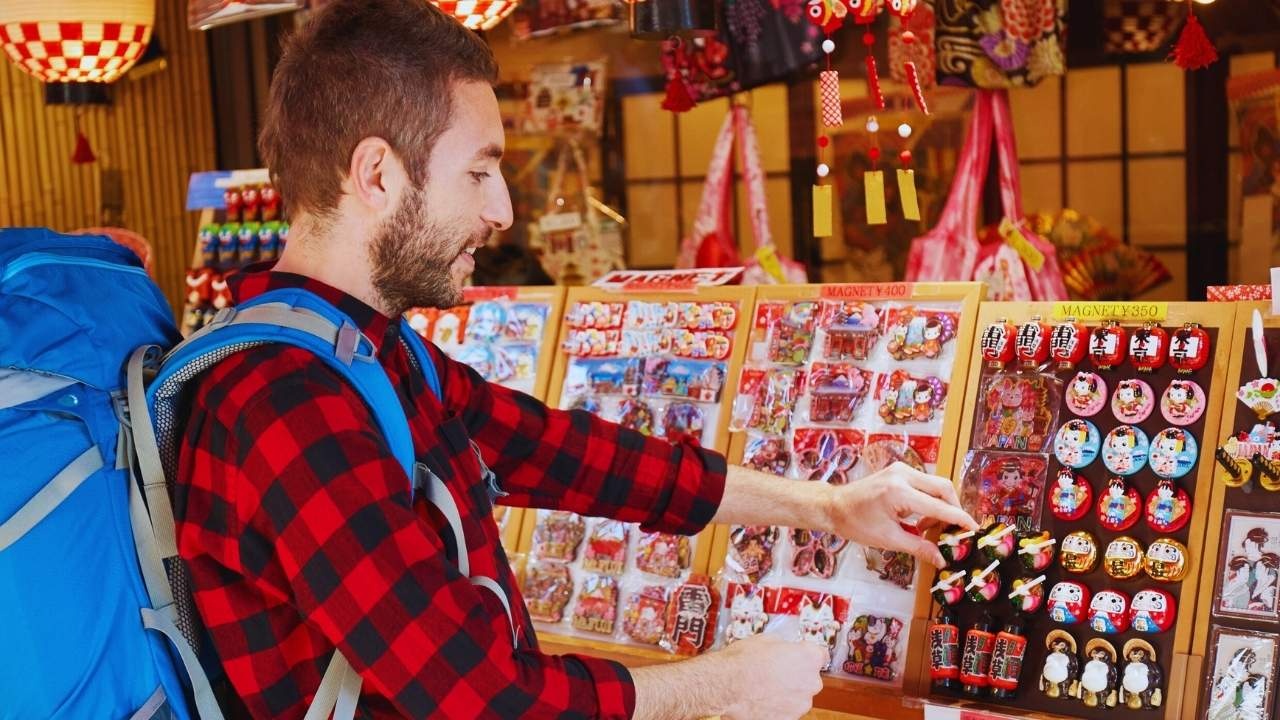
Every year, millions of travelers collect souvenirs—keychains, magnets, mini monuments, and more—many of which are discarded soon after. This contributes to mounting waste that harms our environment.
With a growing emphasis on conscious travel, today's explorers seek meaningful keepsakes that support local artisans and bear a lighter ecological footprint. Sustainable souvenirs encapsulate stories and experiences without harming the destinations visited.
By 2025, sustainability in travel is projected to become a norm rather than an option. Thoughtful souvenir choices help preserve cultural heritages and support local communities.
What Defines a "Sustainable" Souvenir?
A sustainable souvenir is more than just eco-friendly; it is ethically made, functional, and respects local cultures.
Such souvenirs typically are:
- ethically produced
- locally crafted
- durable
- functional or meaningful
- recyclable or biodegradable
- fair-trade compliant
- supportive of local artisans
This mindset shifts consumers from impulsive purchases to intentional collecting.
Souvenir Options That Reflect Sustainability
Certain souvenir categories consistently promote local economies and eco-friendliness.
Handcrafted Artisanal Goods
Items like pottery and textiles not only uphold cultural integrity but directly strengthen local artisans.
Wearable Textiles
Handwoven items such as bags, clothing, and wraps serve a purpose beyond just aesthetics, showcasing craftsmanship.
Local Culinary Delights
Food-based souvenirs like spices and teas are delicious choices that enrich your home cooking while supporting local farmers.
Neighborhood Artwork
Art pieces from local creators add depth and character to your home while providing a glimpse into local culture.
Ethically Sourced Jewelry
Jewelry made from natural materials often contains symbolic elements reflective of the area it’s from.
Sustainable Home Decor
Handcrafted home items, including candles and decor made from eco-friendly materials, provide a cultural touch.
Naturally Made Self-Care Products
Local beauty products made from natural ingredients serve both utility and cultural ties.
Books by Local Authors
Reading literature by local writers fosters deeper connections to the place visited.
Functional Everyday Items
From handmade mugs to eco-friendly tools, practical souvenirs fit seamlessly into your lifestyle.
Souvenirs To Avoid
Not all souvenirs are worth the purchase, as some can contribute to environmental and cultural degradation.
Mass-Produced Plastics
Cheap, breakable items that contribute to landfill problems should be avoided.
Imported Products
Souvenirs sourced from outside the local area fail to support the artisan community.
Items with Animal Byproducts
Despite their appeal, these can harm wildlife and ecosystems.
Natural Materials Removed Illegally
Removing items like sand or shells can be harmful to local ecology and is often against the law.
Synthetic Fashion Items
Fast fashion items like cheap T-shirts contribute to environmental damage.
Quick-Fad Souvenirs
Temporary trends often lead to disposable purchases that lack long-term value.
Identifying True Local Crafts
To ensure you are purchasing authentic products, ask about the maker, observe the craftsmanship, and check the materials used.
Contributing to Local Economies
Purchasing sustainable souvenirs supports fair wages, the continuation of local traditions, and small businesses.
Compact Souvenirs: Small but Meaningful
For those seeking minimalism, consider small items like handcrafted bookmarks or tiny ceramics that offer cultural stories.
Delicious Food Souvenirs
Edible souvenirs such as artisan snacks or local coffee are delightful and sustainable choices.
Trendy Eco-Friendly Packaging
As environmental awareness grows, choose souvenirs with minimalistic, eco-friendly packaging options.
Investing in Experiences
Opt for memorable experiences like cooking classes or guided nature walks that create lasting memories.
Customization by Local Artisans
Consider personalized items from local artisans that will hold sentimental value.
Meaningful Selections Over Quantity
Opting to purchase fewer but more meaningful souvenirs can significantly reduce waste and enhance satisfaction.
Sustainable Choices for Kids
Sustainable options for children, such as handmade toys, encourage cultural awareness without the plastic burden.
Upholding Local Traditions
Seek authentic souvenirs that respect the cultural significance of traditions.
A Glimpse Into the Future of Souvenir Culture
As sustainable practices evolve, we can expect a surge in artisanal markets and eco-conscious products.
Disclaimer:
This article serves informational and lifestyle purposes and does not offer financial, legal, or environmental advice.