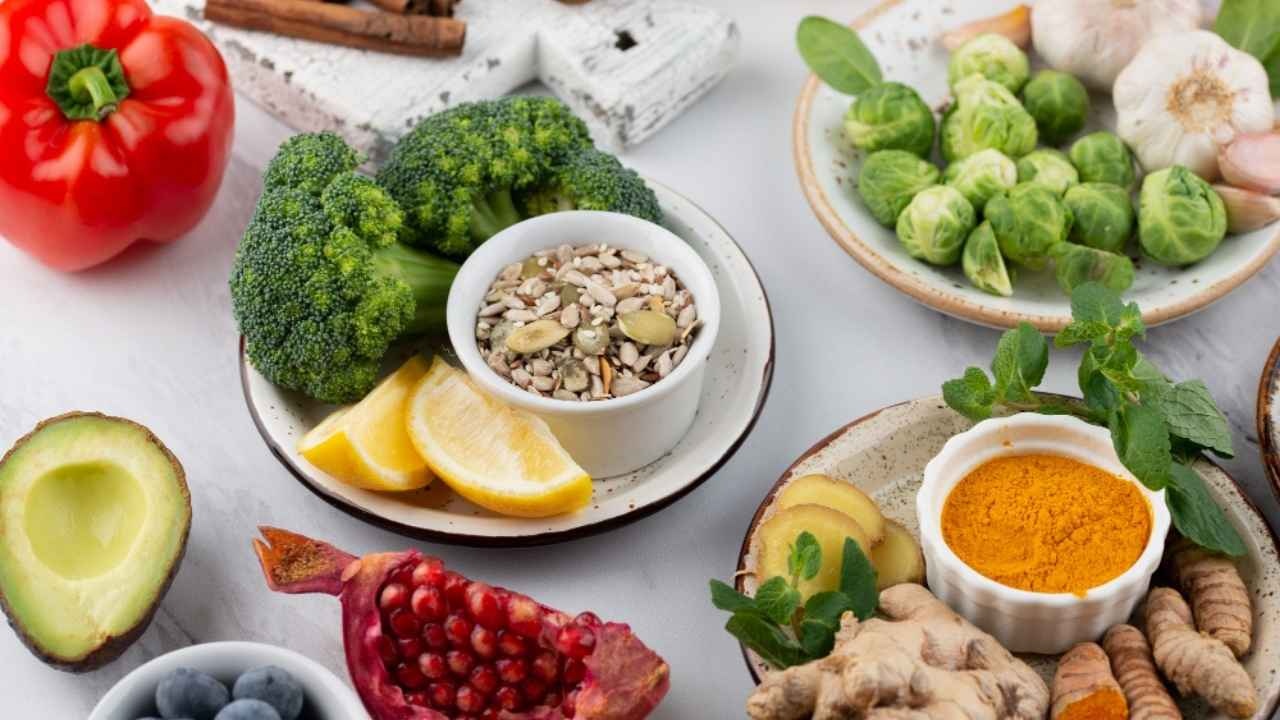
Essential Foods for Managing Hypothyroidism: 6 Key Nutrients to Energize You
Hypothyroidism is a condition where the thyroid gland underperforms, leading to insufficient hormone production crucial for regulating metabolism, energy levels, mood, digestion, heart rate, and body temperature. When this gland slows down, daily activities can feel increasingly burdensome. Common symptoms include lingering fatigue, weight gain, dry skin, hair loss, constipation, and reduced stamina.
While following prescribed medications is important, your dietary choices significantly influence thyroid health. Opting for nutrient-rich foods can enhance metabolism, boost energy, and alleviate various symptoms.
Here are six vital foods that inherently support thyroid function, helping keep your body active and lively.
1. Iodine-Rich Foods: Seaweed, Iodized Salt, and Fish
Iodine is a crucial mineral for thyroid health. A deficiency can hinder hormone production, resulting in gland swelling and reduced metabolic rates.
Benefits
-
Enables hormone production
-
Prevents neck swelling (goiter)
-
Facilitates proper metabolism
Top Sources
-
Iodized salt
-
Seaweed (kelp or nori)
-
Fish and shrimp
-
Eggs
Incorporation
Utilize iodized salt in cooking and enjoy seafood regularly. Seaweed should be consumed in limited amounts due to its high iodine content.
2. Selenium-Rich Foods: Brazil Nuts and Sunflower Seeds
Selenium acts as a protective agent for the thyroid, aiding in the conversion of thyroid hormones into usable forms.
Benefits
Best Sources
How to Use
Incorporate nuts and seeds into salads or breakfast options; a small daily handful suffices.
3. Protein Sources: Chicken, Fish, and Lentils
Protein is essential for transporting thyroid hormones and maintaining satiety. It also supports muscle health.
Benefits
Top Sources
-
Fish
-
Chicken
-
Eggs
-
Legumes and tofu
Incorporation
Ensure a protein source is part of every meal for sustained energy throughout the day.
4. Zinc-Rich Foods: Pumpkin Seeds and Chickpeas
Zinc is vital for proper thyroid function, activating hormones, and supporting immunity.
Benefits
Best Sources
-
Pumpkin seeds
-
Chickpeas
-
Cashews
-
Whole grains
How to Use
Sprinkle pumpkin seeds on meals or enjoy roasted chickpeas as a snack.
5. Vitamin D and Calcium Foods: Milk and Yogurt
Vitamin D deficiency is quite prevalent among those with hypothyroidism. This vitamin, along with calcium, is crucial for bone strength and hormone balance.
Benefits
Top Sources
-
Morning sunlight
-
Milk and yogurt
-
Fortified cereals
-
Almond milk
How to Include
Spend 10-15 minutes in morning sunlight and include dairy or fortified options in your meals.
6. Anti-Inflammatory Foods: Leafy Greens, Berries, and Turmeric
Inflammation can exacerbate thyroid issues, so consuming anti-inflammatory foods aids in maintaining health.
Benefits
Best Sources
How to Integrate
Utilize turmeric water, enjoy ginger tea, and include leafy greens in your daily meals.
Foods to Limit While Managing Hypothyroidism
Certain foods can inhibit thyroid function when consumed excessively. Limiting these can promote better hormone balance.
Avoid Excessively
While occasional indulgence is fine, daily overconsumption should be avoided.
Sample Diet Plan for Hypothyroidism
Breakfast
Lunch
-
Brown rice or flatbreads
-
Vegetable curries
-
Grilled chicken or dal
Evening
Dinner
Following such a diet can stabilize energy and enhance metabolic health.
Although hypothyroidism can complicate everyday living, making informed food choices offers significant benefits. Consuming iodine, selenium, protein, zinc, vitamin D, and anti-inflammatory foods positively affects thyroid functioning and energy uptake. When paired with routine medical check-ups and appropriate medications, a nutritious diet facilitates a more vibrant and healthy lifestyle.
By embracing a mindful approach to a thyroid-healthy diet, you can take meaningful strides toward better overall health.
Disclaimer
This article serves an educational purpose and should not replace professional medical advice, diagnosis, or treatment. Hypothyroidism necessitates evaluation and guidance from qualified healthcare providers. Always consult a doctor or certified nutritionist before undertaking significant dietary alterations, especially regarding thyroid conditions or other health issues. Individual outcomes may vary based on health status, body type, and medical background. Consult your physician for guidance.