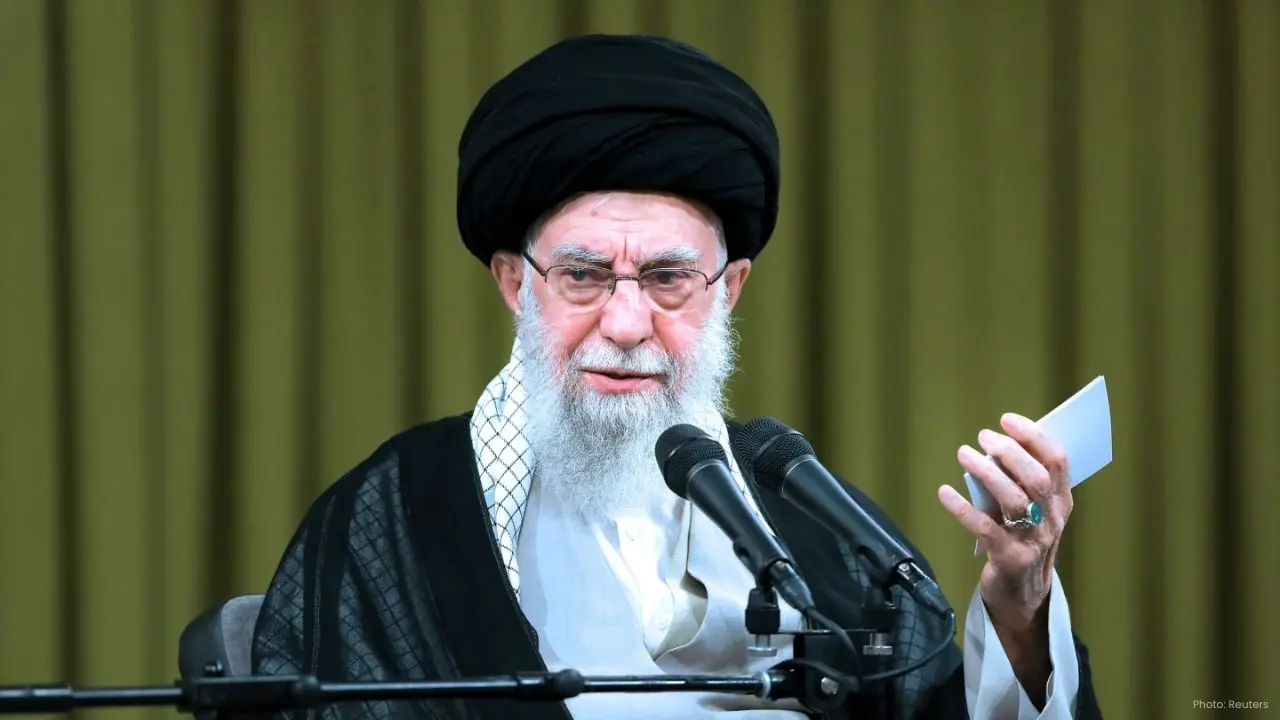
Iran is currently engulfed in its most significant wave of protests in years, driven by the struggles of economic hardship that are sweeping through the nation. Supreme Leader Ayatollah Ali Khamenei has voiced a stern warning, asserting that “rioters need to be restrained,” a statement interpreted as a signal for increased action from security forces.
These demonstrations, which erupted following the steep decline of the Iranian currency and escalating living costs, have now persisted for over a week. Reports indicate that at least 10 individuals have lost their lives amidst escalating clashes between demonstrators and police forces. Nevertheless, the protests show no signs of abating.
Khamenei’s remarks, aired on national television, sought to differentiate between the ordinary citizens protesting against the economy and those he accused of being “rioters.” While he suggested that officials listen to the public’s grievances, he dismissed any notion of dialogue with individuals he accused of disrupting public order. As seen in prior unrest, Khamenei attributed blame to foreign adversaries, notably the United States and Israel, claiming they incite the protests, though no evidence was produced.
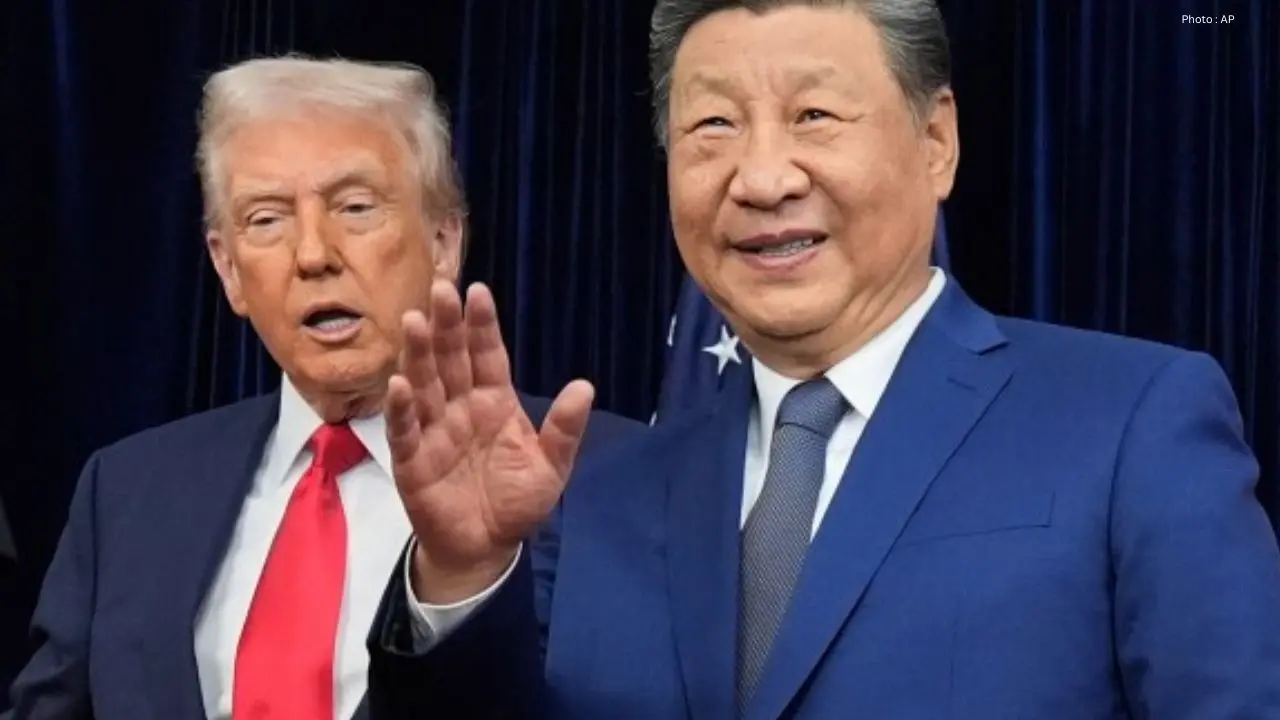
The global eyes are on Iran following U.S. President Donald Trump’s warning that Washington would act if peaceful protesters faced violence. His comments sparked outrage among Iranian officials, with some threatening retaliation against American forces in the region. The situation escalated further as Trump claimed the U.S. had captured Venezuela’s president, a known ally of Iran.
The unrest has witnessed evolving violence. In the sacred city of Qom, an explosion from a grenade resulted in one death, with authorities suggesting he was plotting an assault. Additionally, in the Kermanshah province of western Iran, a member of the Basij paramilitary unit was killed in a separate knife and gun incident. Videos circulating online depict burning barricades and significant police presence across several urban areas.
Rights organizations report that protests have now spread to more than 100 locations across 22 provinces, marking this as the largest protest wave since 2022, spurred by the death of Mahsa Amini that ignited nationwide fury. While these current protests have not yet matched previous peaks in intensity, chants have expanded from economic grievances to direct critiques of Iran’s governing body.
President Masoud Pezeshkian’s administration has sought to adopt a more conciliatory stance, expressing readiness to address public concerns. However, the dramatic devaluation of the rial has constrained the government’s ability to alleviate public frustration, which remains high among traders, shopkeepers, and everyday citizens.
This unrest unfolds during a precarious period for Iran, still grappling with the repercussions of last year’s confrontations with Israel and ongoing Western sanctions. Recently, Tehran has announced it ceased uranium enrichment across its sites, indicating a potential willingness to engage in discussions, but the rising instability at home adds further uncertainty to the nation's trajectory.