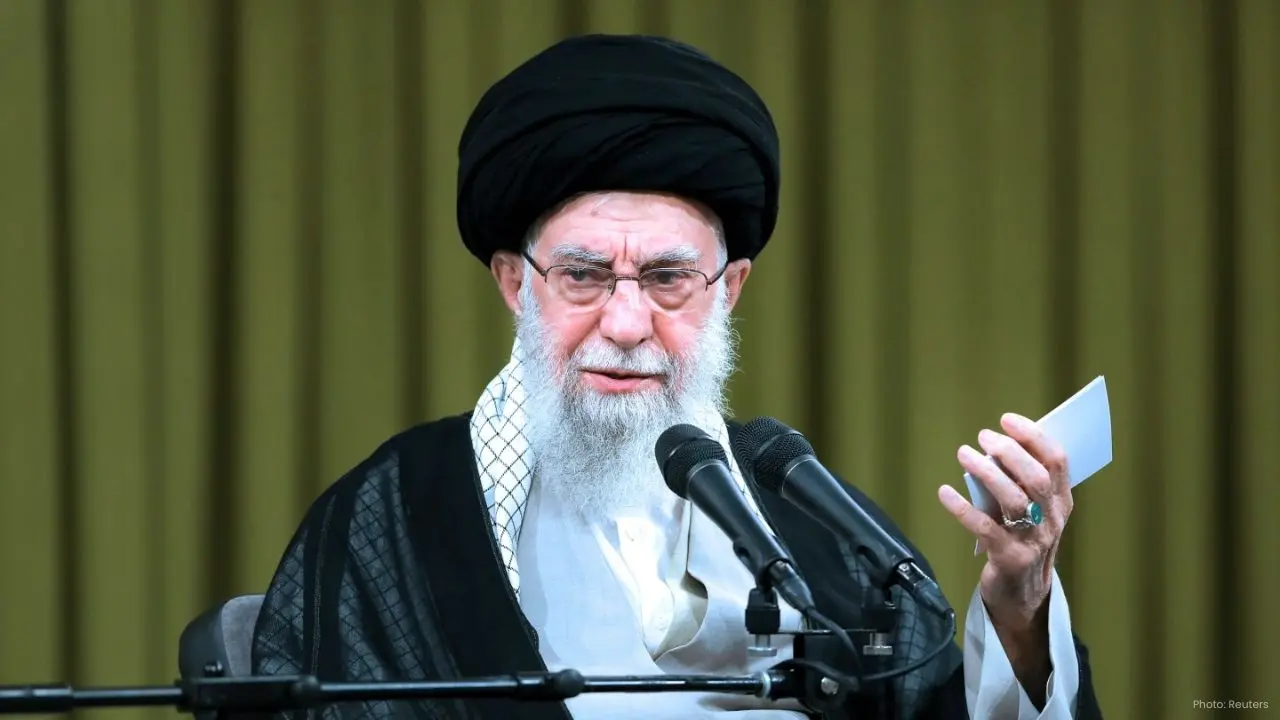
Iran is experiencing its most significant unrest in years as protests fueled by economic difficulties spread throughout the nation. Supreme Leader Ayatollah Ali Khamenei has adopted a tough approach, stating that “rioters must be dealt with,” which is interpreted as an indication for security forces to escalate their actions.
These protests, triggered by the plummeting value of Iran’s currency and escalating living expenses, have now persisted for over a week. At least ten fatalities have been reported as clashes between demonstrators and law enforcement intensify. Even with the crackdown, there are no clear signs that the protests are waning.
Khamenei’s address, which was aired on state television, sought to distinguish between ordinary citizens expressing economic grievances and those he labeled as “rioters.” He urged officials to hear the concerns of protesters but dismissed any dialogue with individuals he accused of jeopardizing public order. Echoing previous protests, he attributed blame to foreign adversaries, including the U.S. and Israel, for inciting the unrest, despite presenting no evidence.
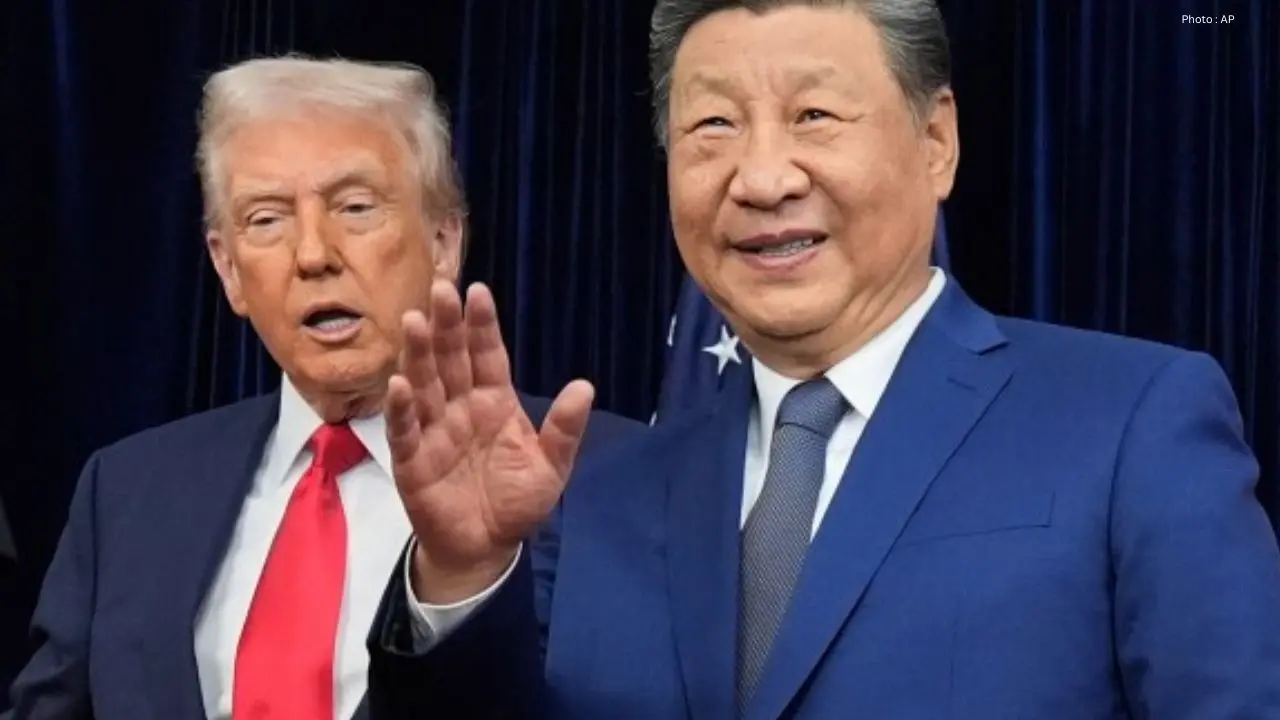
This unrest has captured global attention following remarks from U.S. President Donald Trump, who cautioned Tehran against harming peaceful protesters, threatening to respond militarily. This incited outrage among Iranian officials, with some contemplating retaliation against U.S. troops stationed in the region. Tensions escalated after Trump claimed that the U.S. had captured Venezuelan President, a close ally of Iran.
The violence associated with these protests has escalated. In Qom, a grenade explosion claimed one life, with authorities alleging that the individual was preparing for an attack. Additionally, a member of the Basij paramilitary force was killed in a separate incident in Kermanshah province. Online footage has shown fires raging in various cities coupled with a heavy security presence.
According to human rights organizations, demonstrations have spread to over 100 locations across 22 provinces, marking this as the largest protest cycle since 2022, which was ignited by the death of Mahsa Amini in police custody. Although this round of protests has not reached similar levels of intensity, the slogans now reflect a broader discontent, targeting the ruling system directly.
The administration of President Masoud Pezeshkian has attempted to adopt a more lenient stance, indicating readiness to engage with public grievances. However, the swift devaluation of the rial has curtailed the government’s efforts to alleviate frustration among traders, shopkeepers, and average citizens.
This unrest comes at a critical juncture for Iran, which is still coping with the repercussions of last year’s confrontations with Israel and ongoing Western sanctions. Recently, Tehran declared a halt to uranium enrichment across all sites, suggesting a willingness to enter talks, yet the growing turmoil internally adds yet another layer of uncertainty regarding Iran’s trajectory.