Strategies to Combat PCOS-Related Hair Loss: Dietary and Supplement Insights
Polycystic Ovary Syndrome (PCOS) is a prevalent hormonal disorder affecting numerous women, often leading to various symptoms, including noticeable hair loss. This condition frequently results in hair thinning or excessive shedding due to hormonal fluctuations, specifically heightened androgen levels. While medication is a common route to managing PCOS, there are several natural strategies to counteract hair loss and encourage thicker, healthier hair.
In this article, we'll discuss natural remedies, including dietary modifications, supplements, and hair care practices that can mitigate hair loss associated with PCOS. Implementing these adjustments can help restore hormonal balance and foster better nourishment for your hair, promoting healthier regrowth.
1. Nutrition to Foster Hair Wellness
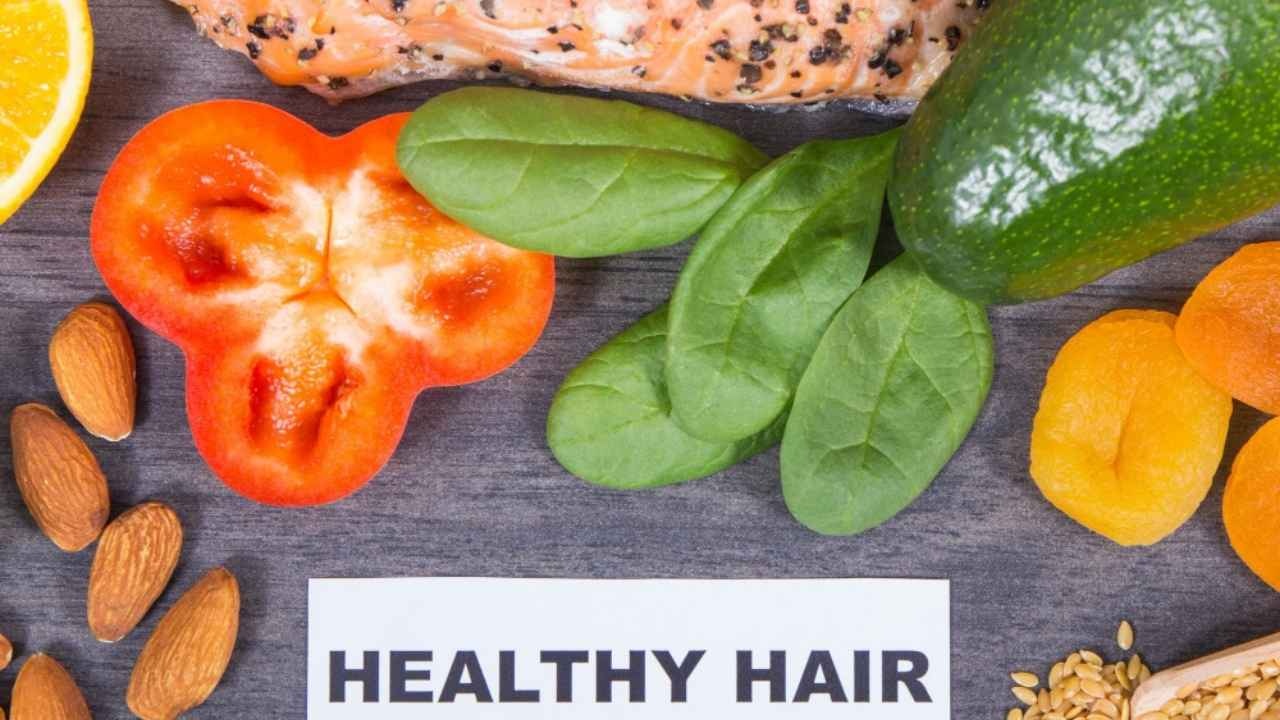
Maintaining a balanced diet is crucial for managing PCOS symptoms and stimulating hair growth. Foods that help regulate hormones, enhance insulin sensitivity, and mitigate inflammation are vital for hair health.
Why it Works:
Insulin resistance often accompanies PCOS, resulting in elevated insulin levels that contribute to hormonal imbalances. A nutrient-rich diet aids in stabilizing blood sugar and improving insulin sensitivity, both essential for maintaining healthy hair.
Recommended Foods:
-
Whole Grains: Options such as quinoa, oats, and brown rice provide fiber that regulates blood sugar, which in turn aids in tackling insulin resistance.
-
Leafy Greens: Spinach, kale, and broccoli are nutrient-dense and supply elements like iron and vitamins crucial for promoting hair growth.
-
Lean Proteins: Incorporate sources like chicken, fish, tofu, and legumes that supply proteins essential for hair follicles and overall growth.
-
Healthy Fats: Foods like avocados and nuts, rich in omega-3 fatty acids, nourish the scalp and contribute to hair texture improvement.
Avoid These Foods:
2. Supplements for Enhanced Hair Growth
In conjunction with a tailored diet, specific supplements can provide essential nutrients needed to regulate hormones and promote hair regeneration. Be sure to consult a healthcare specialist before starting any new supplement regimen.
Key Supplements for Hair Growth:
-
Biotin: Known as vitamin B7, biotin is a popular supplement that helps strengthen hair follicles, fostering keratin production.
-
Why it Works: Biotin facilitates improved follicle health, enhances hair thickness, and decreases hair shedding.
-
Recommended Dosage: Biotin is available in diverse formats, generally recommended at 2,500 to 5,000 mcg daily. Always check with your doctor first.
-
Vitamin D: Often linked to hair thinning, vitamin D is essential for stimulating hair follicles and encourages new hair development.
-
Why it Works: This vitamin fosters the growth of new hair by activating dormant follicles.
-
Recommended Dosage: Adults typically require 600-800 IU per day, though some may need higher amounts, which can be determined via blood tests.
-
Zinc: Critical for tissue repair and immune function, zinc also helps in regulating hormones and inflammation.
-
Why it Works: Zinc prevents hair thinning and is vital for supporting hair health, especially in women with hormonal disparities.
-
Recommended Dosage: For women, the typical zinc intake should be around 8 mg daily, available in tablet forms. Consult with a healthcare provider before starting.
-
Saw Palmetto: This herbal supplement may inhibit the effects of androgens related to hair loss in women with PCOS.
-
Why it Works: Saw palmetto blocks the enzyme responsible for converting testosterone into its more active form, helping to prevent hair loss.
-
Recommended Dosage: Typically found as capsules, the dose ranges from 160 mg to 320 mg daily.
3. Herbal Solutions for Hair Regrowth
Several herbs are renowned for their hair regrowth benefits, providing gentle and effective natural remedies when used consistently.
Herbal Treatments Worth Trying:
-
Ashwagandha: As an adaptogenic herb, it aids in lowering cortisol levels (the stress hormone), which is known to worsen hair loss.
-
How It Works: By alleviating stress and balancing hormones, ashwagandha promotes hair regrowth and mitigates PCOS symptoms.
-
Usage: Available in powder, capsule, or liquid forms, typically recommended at 300-500 mg twice daily.
-
Fenugreek: Rich in protein and iron, fenugreek seeds nurture hair follicles and facilitate regrowth while preventing loss.
-
How It Works: Fenugreek enhances scalp conditions and fortifies hair follicles to deter further loss.
-
Usage: Soak seeds overnight, then grind to a paste and apply for 30 minutes before rinsing. Alternatively, take as capsules.
-
Rosemary Oil: Known for boosting blood flow to the scalp, rosemary oil can stimulate hair growth.
-
How It Works: It increases circulation to hair follicles, aiding in new growth.
-
Usage: Combine a few drops with a carrier oil and massage into the scalp; leave on for 30 minutes before washing out.
4. Prevent Hair Damage & Adopt Gentle Hair Care
Limiting hair damage is vital in managing loss and promoting healthy hair. Improper care routines can exacerbate PCOS-related thinning hair.
Hair Care Guidelines for Stronger Hair:
-
Lukewarm Water Use: Avoid hot water for washing as it can strip natural oils, leading to dryness. Opt for lukewarm instead.
-
Loose Hairstyles: Tight styles can stress hair follicles, causing breakage; select looser options to relieve tension.
-
Wide-Toothed Comb: Gently detangle hair with a wide-toothed comb to lessen breakage, especially on wet hair.
5. Hydration and Managing Stress
Hydration and effective stress management are fundamental to maintaining hair health. Dehydration can lead to fragility and stress exacerbates loss.
Stress Management Strategies:
-
Yoga and Meditation: Incorporate these practices into your routine to lower stress levels and cortisol, which can impede hair growth.
-
Stay Active: Exercise enhances circulation, fostering growth while alleviating stress.
-
Hydrate: Drinking sufficient water daily is crucial for healthier hair and scalp.
Faced with PCOS-related hair loss can be disheartening, but it doesn't have to be a permanent setback. By making targeted dietary adjustments, utilizing appropriate supplements, exploring herbal options, and adhering to beneficial hair care practices, you can stimulate healthy hair growth and counteract thinning. Committing to these strategies alongside stress management and hydration will support your hair restoration journey and bolster your confidence. Remember, consistency is vital, and with patience, you may witness enhanced hair health and overall well-being.
Disclaimer
This article serves an informational purpose and is not meant to substitute professional medical advice, diagnosis, or treatment. Always engage with a qualified healthcare provider or nutritionist before undertaking significant changes to your diet, lifestyle, or starting new supplements, especially if dealing with health conditions like PCOS or other concerns. The efficacy of the recommendations may vary depending on individual health factors, body type, lifestyle, and more. It's crucial to align health decisions with your unique needs and circumstances.