The Democratic Republic of Congo has warned that its latest Ebola outbreak is still in the “early stage,” but officials say the number of infections and suspected deaths is continuing to rise rapidly across affected regions. Health authorities and international agencies are now increasing emergency response efforts as fears grow that the outbreak could spread further within central Africa if stronger containment measures are not introduced soon.
According to Congolese health officials and the World Health Organization, the outbreak is mainly concentrated in Ituri Province in northeastern DR Congo, where communities are already dealing with violence, displacement, and limited healthcare resources. WHO data shows that suspected Ebola cases have climbed sharply in recent weeks, with reports suggesting that more than 900 suspected infections and over 220 suspected deaths may now be linked to the outbreak.
The current outbreak is being caused by the rare Bundibugyo strain of the Ebola virus, a variant for which there is currently no approved vaccine or specific treatment. Health experts say this has made the situation more difficult compared to previous Ebola outbreaks where vaccines were available. WHO officials have warned that the virus likely circulated undetected for nearly two months before being officially identified, allowing infections to spread across several communities before emergency action began.
Despite the rising numbers, Congolese authorities insist the outbreak has not yet reached its peak. Government health spokespersons said many newly reported cases are still under investigation and that better surveillance efforts are helping officials identify infections faster. They also stressed that increased case reporting does not necessarily mean the outbreak is fully out of control, but rather that detection systems are improving as more international support arrives.
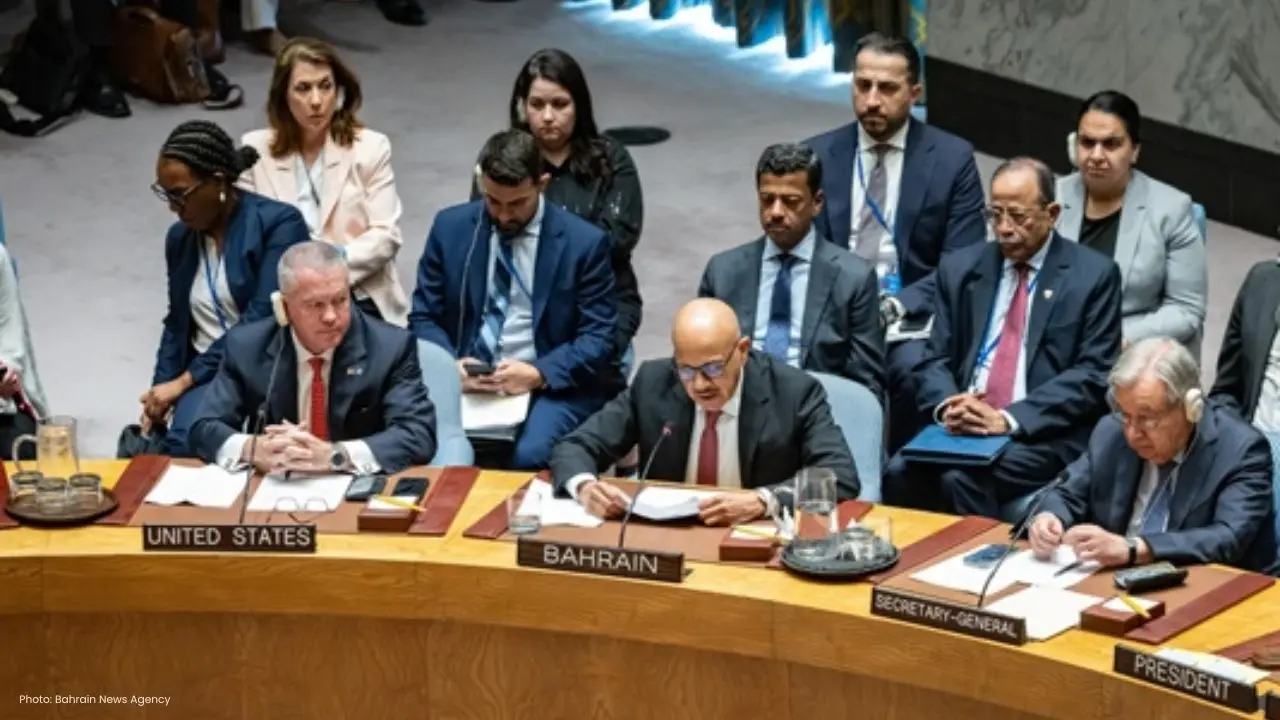
The World Health Organization has already declared the Ebola outbreak in DR Congo and neighboring Uganda a “Public Health Emergency of International Concern,” which is one of the organization’s highest alert levels. WHO officials described the national risk inside Congo as “very high,” although they still consider the global spread risk relatively low at this stage.
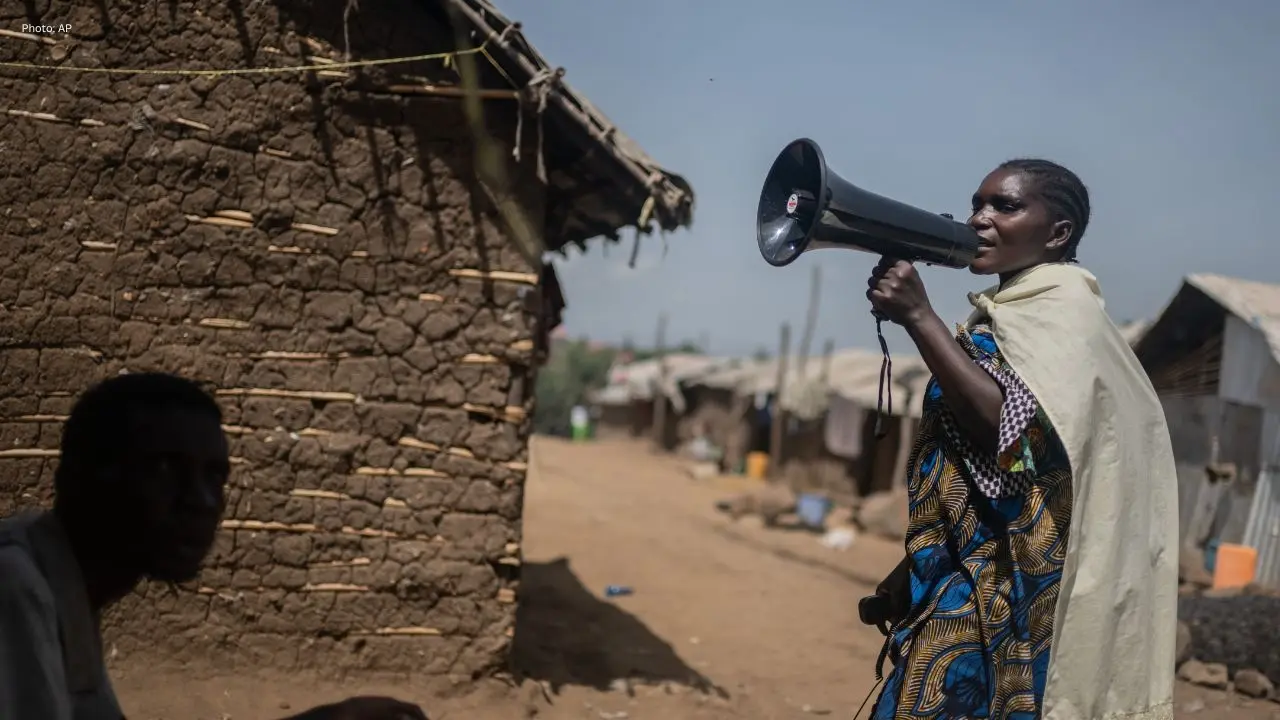
Medical teams on the ground are facing serious challenges while trying to contain the outbreak. Humanitarian organizations report shortages of medical supplies, limited hospital capacity, and growing mistrust among some local communities. In several areas, treatment centers and health workers have reportedly come under attack from angry residents who fear quarantine measures or distrust government officials. Aid agencies say these security problems are slowing emergency operations and making contact tracing more difficult.
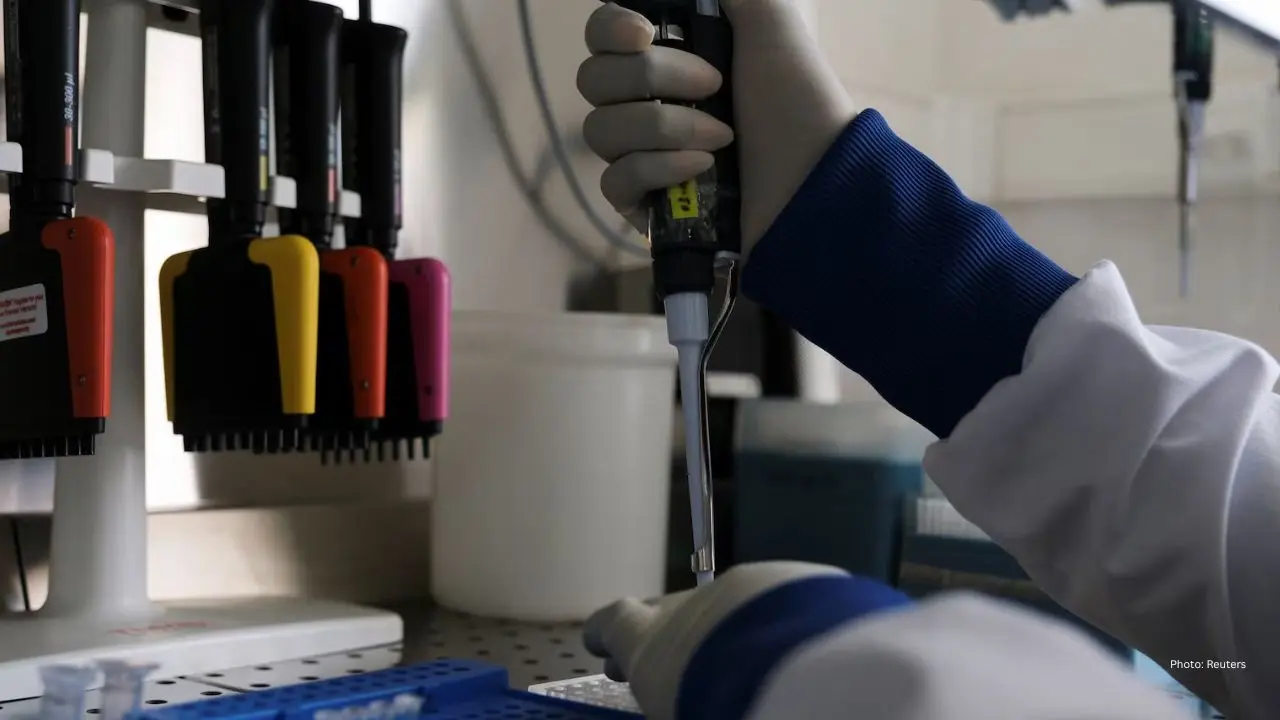
International organizations are now racing to expand treatment facilities and prepare experimental vaccines and medicines. Christian aid organization Samaritan’s Purse recently announced plans to open a 50-bed Ebola treatment center in northeastern Congo within days. Researchers in several countries, including Russia, Britain, and India, are also working on vaccines targeting the Bundibugyo strain, although human trials are still expected to take time.
The Ebola virus spreads through direct contact with bodily fluids from infected people or contaminated surfaces. Symptoms often begin with fever, weakness, and body pain before progressing into vomiting, diarrhea, and in severe cases, internal or external bleeding. Health experts continue urging people in affected areas to avoid unsafe burials, report symptoms early, and cooperate with health screening teams to help slow transmission.
Several countries, including Canada and the United States, have already tightened travel monitoring and health screening rules in response to the outbreak. While no Ebola cases have been confirmed in North America or Europe, governments worldwide remain on alert as health agencies continue monitoring the rapidly changing situation in central Africa.