Photo:AP
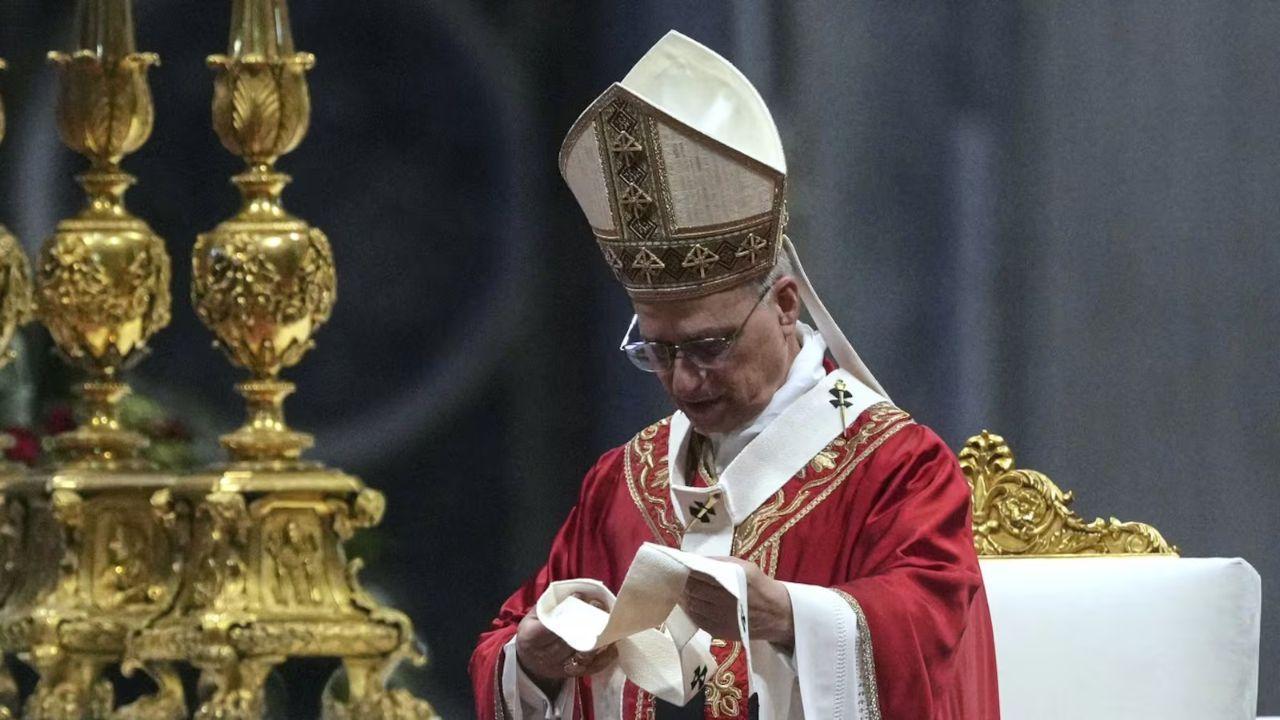
In a unanimous decision, Dolton, Illinois—a village facing significant debt and infrastructural challenges—voted to purchase the childhood home of Pope Leo XIV. The modest, two-story brick house has become a national point of interest since his election, drawing visitors and sparking optimism in a community eager for renewal.
The Significance of the Property
Born Robert Prevost in 1955, Pope Leo XIV spent his early years in this 750-square-foot family home built in 1949. The property gained prominence following his elevation as the first U.S.-born pope, and quickly attracted pilgrims, media, and curiosity seekers to this Chicago suburb.
Purchase Strategy: Direct Deal or Eminent Domain
With a listing price initially near $200,000, the home was taken off the market amid heated interest. Dolton officials now plan to acquire it, either via direct purchase or, if negotiations stall, through eminent domain—paying fair market value for public use. The move aims to keep the asset within community control and away from private investors hoping to profit.
Economic Revival Through Heritage
Mayor Jason House described the purchase as a "once-in-a-lifetime opportunity" to rebrand Dolton. Officials hope the site will trigger economic benefits—pilgrimages, tourism spin-offs, and investment—akin to success stories seen with other famous childhood homes. The board believes the property's heritage value "will eventually pay for itself" through increased attention.
Community Support and Skepticism
Celebration and skepticism emerged in equal measure. Community pride is evident—some residents have installed crosses, rosaries, and reproach chanting tapes near the porch. A local construction firm even donated a new roof. Still, some taxpayers voiced worry: Dolton is $3.65 million in debt, and critics question the wisdom of investing limited funds in property upkeep rather than in core services.
Addressing Village Needs and Strategy
Former Chicago Mayor Lori Lightfoot’s financial review last year highlighted Dolton’s depleted reserves and unpaid bills. In response, village leaders assured residents the property's purchase, scheduled to close in two weeks, will coincide with targeted improvements to surrounding streets and utilities.
Planning Next Steps
The board plans to collaborate with the Chicago Archdiocese and has discussed forming a nonprofit to manage fundraising and preservation efforts. Within 30 to 60 days post-purchase, the home is expected to become a heritage site or museum. Early discussions include guided visits and cultural events celebrating Pope Leo's legacy.
Broader Significance and Outlook
This move positions Dolton in a broader narrative of small communities leveraging historical connections to spur revitalization. If successful, the initiative could serve as a model for using cultural heritage to drive growth in underserved towns. However, realization depends on effective execution, fundraising, and long-term vision.