A Season of Illness and Confusion
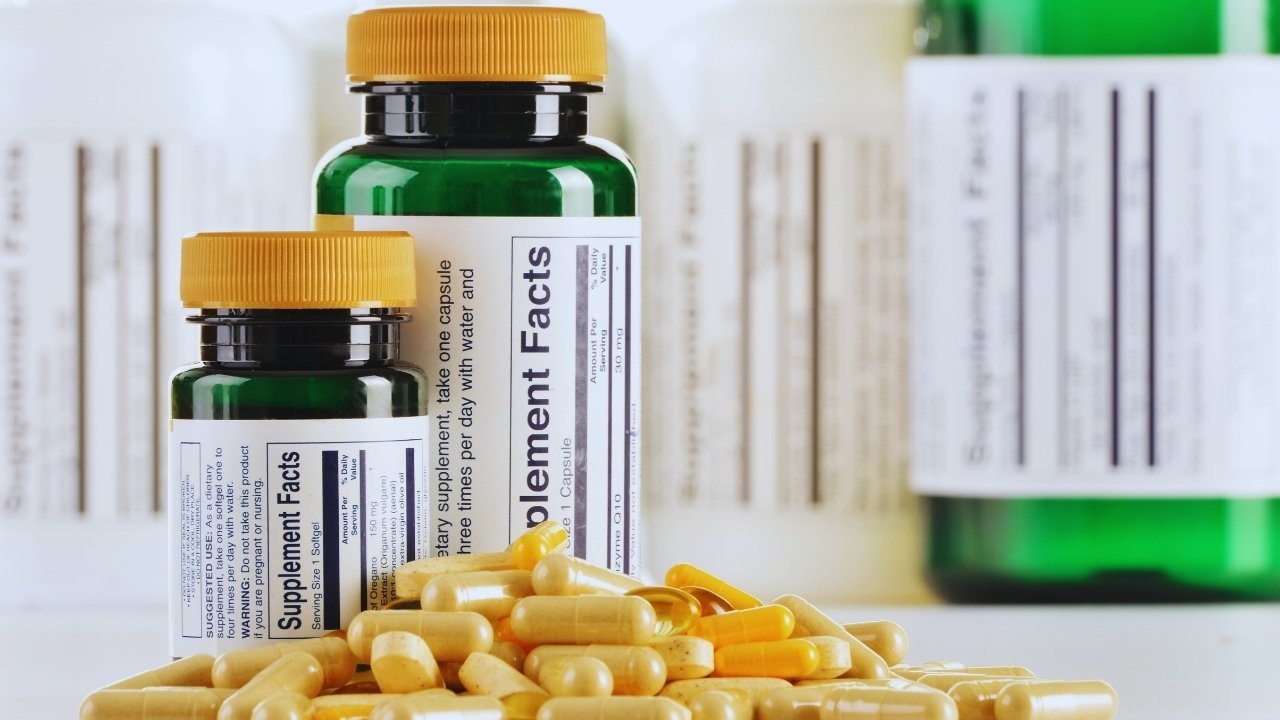
As winter brings an increase in respiratory infections and decreases in sunlight, many are left wondering which supplements are genuinely beneficial. This week, medical professionals clarify the essential supplements that can enhance winter wellness.
While many trending supplements are touted for their benefits, doctors determine that only a select few hold substantial evidence to back their effectiveness. Here's a concise but powerful list of winter supplements worth considering.
Vitamin D: The Keeper of Immunity
Vitamin D ranks high on the list of medical recommendations during the colder months. A lack of sunlight leads to reduced natural production, increasing the likelihood of deficiency.
Reasons for Its Popularity:
Individuals with limited sun exposure or darker skin may find themselves particularly at risk for deficiency.
Medical professionals advise appropriate dosage and testing when feasible, as excessive intake can lead to adverse health effects.
Vitamin C: Supporter of Natural Defenses
Vitamin C is globally acknowledged for its immunity-boosting properties; however, it does not outright prevent colds—rather, it assists the body's natural defenses.
True Contributions:
Excessive doses should be avoided, as they do not yield additional benefits and may provoke digestive issues.
Zinc: Defender Against Infections
Zinc is rare among supplements, boasting solid evidence for efficacy in combating the onset of cold symptoms.
Why It's Recommended:
-
enhances immune cell functionality
-
may decrease cold duration when taken early
-
alleviates symptom severity
Effective during high viral circulation periods, caution is advised against excessive consumption as it may impede copper absorption.
Omega-3 Fatty Acids: Essential for Heart and Mind
Though beneficial year-round, the importance of Omega-3s is often spotlighted in winter, particularly for those with inflammatory conditions.
Key Advantages:
As joint stiffness and mental fatigue may increase in cold months, Omega-3 supplementation can be especially beneficial.
Probiotics: Vital for Gut and Immune Health
The connection between gut health and immune strength becomes apparent during the winter season, prompting doctors to advocate for probiotics.
Notable Benefits:
Choosing clinically validated strains or food options like yogurt is recommended.
Magnesium: The Mineral for Stress Relief and Sleep
Magnesium plays essential roles in muscle relaxation and energy generation, making it pivotal for stress and sleep management during winter.
Key Functions:
Given that many diets are magnesium-deficient, doctor-approved supplements may help.
Iron: Essential for Some, Not for All
Iron deficiency often resurfaces during winter due to increased fatigue; however, supplementation should only occur after diagnosis.
Importance of Testing:
-
excessive iron can be harmful
-
deficiency impacts energy and immunity
-
testing is crucial for correct dosing
Iron is critical for those with specific needs like menstruating individuals, but self-prescribing is discouraged.
B-Complex Vitamins: Energy Support for Shorter Days
Winter can sap energy levels, making B vitamins beneficial for cellular energy and nerve function during the colder months.
Benefits Include:
B-complex supplements may help those feeling the seasonal slump.
Understanding Who Needs Winter Supplements
Not everyone requires supplements; doctors typically advise:
-
those with limited sunlight exposure
-
frequent illness sufferers
-
individuals with dietary restrictions
-
older adults with absorption issues
-
those facing chronic stress or sleep difficulties
-
people with confirmed nutrient deficiencies
Although a food-first approach is ideal, supplementation can address gaps during winter.
Supplements Doctors Do Not Endorse This Week
Current wellness trends have introduced several unproven supplements, with doctors warning against:
These include:
-
extreme 'immune boosters'
-
high-dose detox herbs
-
unregulated liver-cleansing products
-
mega-dose vitamin combinations
-
'instant cold cures'
-
random herbal mixtures lacking scientific backing
Health professionals recommend sticking to established essentials instead of chasing fleeting winter wellness trends.
Boost Supplement Effectiveness Through Lifestyle Choices
Optimal results from supplements come when coupled with positive lifestyle habits.
Recommendations Include:
-
consistent sleep patterns
-
balanced nutritional intake
-
staying hydrated
-
moderate physical activity
-
exposing oneself to fresh air
-
minimizing alcohol and smoking
-
reducing processed food consumption
These practices significantly enhance immune resilience in tandem with supplements.
Focus on Consistency Over Trends
Medical experts emphasize that winter wellness hinges not on drastic cleanses but on steady habits supported by select, scientifically validated supplements.
The concise list professionals endorse includes:
-
Vitamin D
-
Vitamin C
-
Zinc
-
Omega-3
-
Probiotics
-
Magnesium
-
Iron (only when needed)
-
B-complex vitamins
Anything beyond this should be approached cautiously and discussed with medical professionals.
Conclusion
With winter illnesses on the rise, many are turning to supplements, but only a select few can genuinely bolster immunity and health. Doctors advocate for an evidence-based approach: avoid fads, prioritize crucial nutrients, and combine supplements with healthy lifestyle practices.
True winter wellness relies on ongoing support from reliable methods, not quick fixes.
Disclaimer:
This article outlines general information about common winter supplements and should not replace professional medical advice, diagnosis, or treatment. Consult a healthcare provider before attempting any supplement regimen.