The Department of Municipalities and Transport (DMT) in Abu Dhabi has successfully completed a comprehensive two-year overhaul aimed at revolutionizing municipal services, urban planning, real estate, and transportation within the emirate. This ambitious initiative connects Abu Dhabi City, Al Ain City, and the Al Dhafra Region, providing residents and businesses with easier access to services both in person and through the advanced TAMM platform.
Over 8,000 employees across DMT and its affiliates played crucial roles in modernizing infrastructure management and enhancing the emirate's capacity for future development.
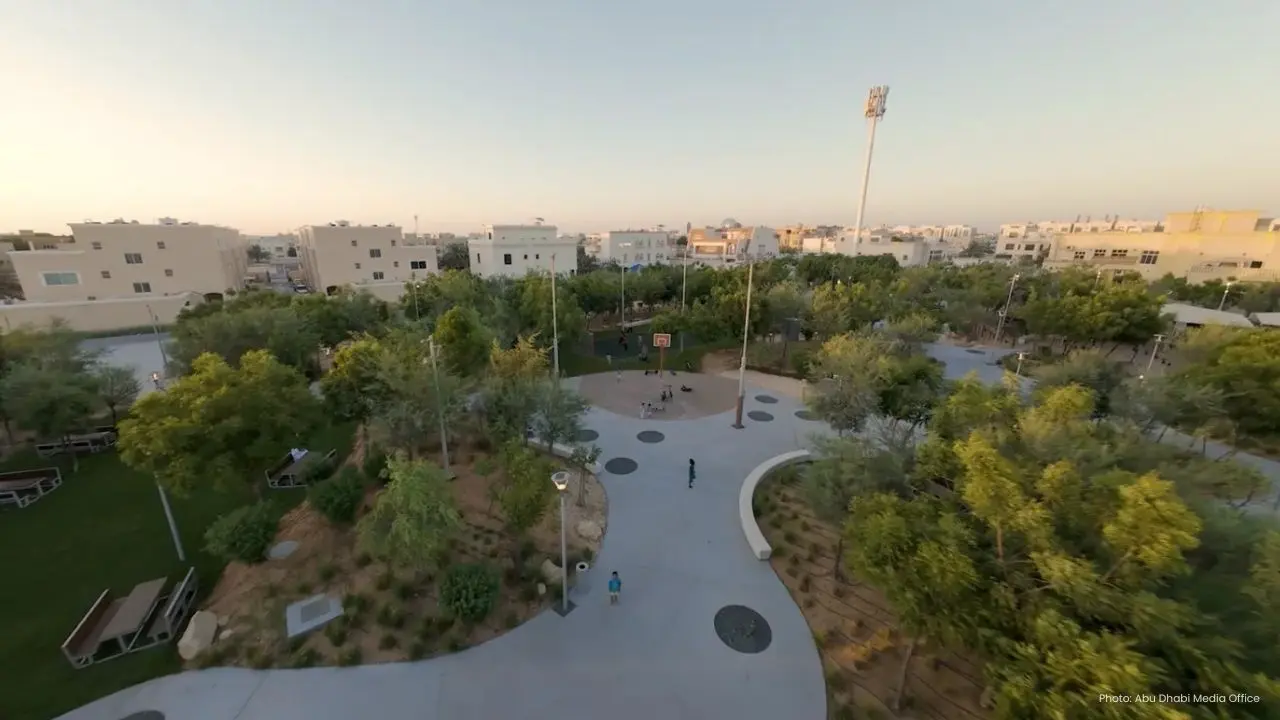
A key aspect of the transformation was community planning, culminating in the completion of the first phase of the Abu Dhabi Liveability Strategy. A budget of AED 42 billion has been allocated for upcoming development projects, with district completion scores improving from 67% in 2023 to 81% by 2025, demonstrating progress in neighborhood quality. DMT also ramped up public engagement with initiatives like the Dream Neighbourhood Survey to align urban development with community needs.
In real estate, a pivotal restructuring occurred with the launch of the Abu Dhabi Real Estate Centre (ADREC). Over 250 municipal real estate services were streamlined to less than 100, creating a single access point for the sector. New offerings include the emirate’s inaugural Residential Rental Index and verified listings through Madhmoun, which enhance market transparency. Real estate transactions surged by 24% in 2024, hitting AED 96.2 billion, bolstered by substantial foreign investment.
A value chain model was adopted for infrastructure development, covering everything from planning to long-term management, thus ensuring financial stability and aligning projects with future requirements. The use of digital monitoring and predictive tools is on the rise, expediting proposal evaluations and stakeholder collaboration.
Regarding compliance and safety, a new phased programme for Building Occupancy and Legalisation Certificates was introduced, adhering to Administrative Decision No. (1) of 2024. This framework emphasizes clear safety standards, starting with Conditional Occupancy Certificates. The Binaa platform leverages technologies like Building Information Modelling and AI, dramatically reducing inspection times by 70%.
Smart city technologies have seen rapid growth under this initiative, with AI Inspection Vehicles implemented in 2023 enhancing real-time maintenance monitoring. The digital liveability twin and AI tools now offer predictive features. At GITEX 2025, DMT unveiled LivAI, a next-gen liveability platform, along with City Eye—a voice-activated AI city management system. New mobility technologies include a Real-time Intelligent Traffic Safety Management System that identifies accident hotspots and predicts risks.
Municipal services involving parks, beaches, and public health have been standardized across the region. The number of Al Tawajud Al Baladi Centres has expanded to 17, enhancing community engagement.
Transport is also evolving; the Integrated Transport Centre (ITC) launched the Abu Dhabi Mobility brand in 2024, broadening its scope to cover land, water, air, and licensing services. Public transport usage surged, recording over 90 million bus riders and 168,000 marine transport users last year. New ferry terminals on Al Aliah Island, Saadiyat Marina, and Rabdan Marina have boosted connectivity, while autonomous taxi services are now extended to Al Reem and Al Maryah Islands.
To facilitate clean mobility, the installation of 1,000 electric vehicle charging stations is currently underway throughout the emirate. Additionally, the ITC’s Green Bus Programme aims for half of its public transport fleet to convert to electric and hydrogen buses by 2030 as part of the Public Transport Green Zone initiative.