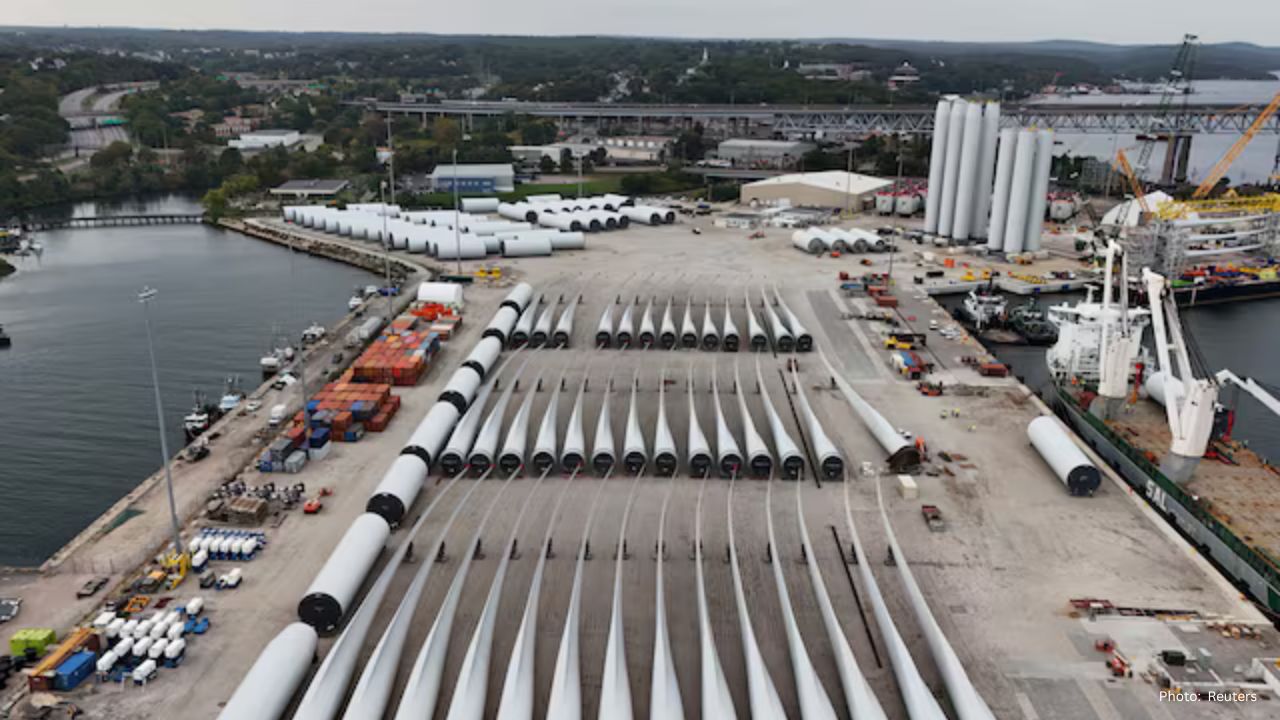
Four governors representing East Coast states have formally requested the Trump administration to end its freeze on offshore wind energy initiatives. They argue that the decision is unjust, unexplained, and detrimental to the advancement of clean energy and local economies.
A letter directed to U.S. Interior Secretary Doug Burgum was penned by New York's Governor Kathy Hochul, Connecticut's Governor Ned Lamont, Massachusetts's Governor Maura Healey, and Rhode Island's Governor Dan McKee. This outreach came in response to the Department of the Interior's choice to halt leases for five offshore wind projects.
The Interior Department cited national security issues as the reason for the suspension. However, the governors vehemently contradicted this rationale, noting that the projects had already undergone thorough federal reviews that included national security assessments. They pointed out that no federal agency had previously alerted them to any new risks before the abrupt suspension.
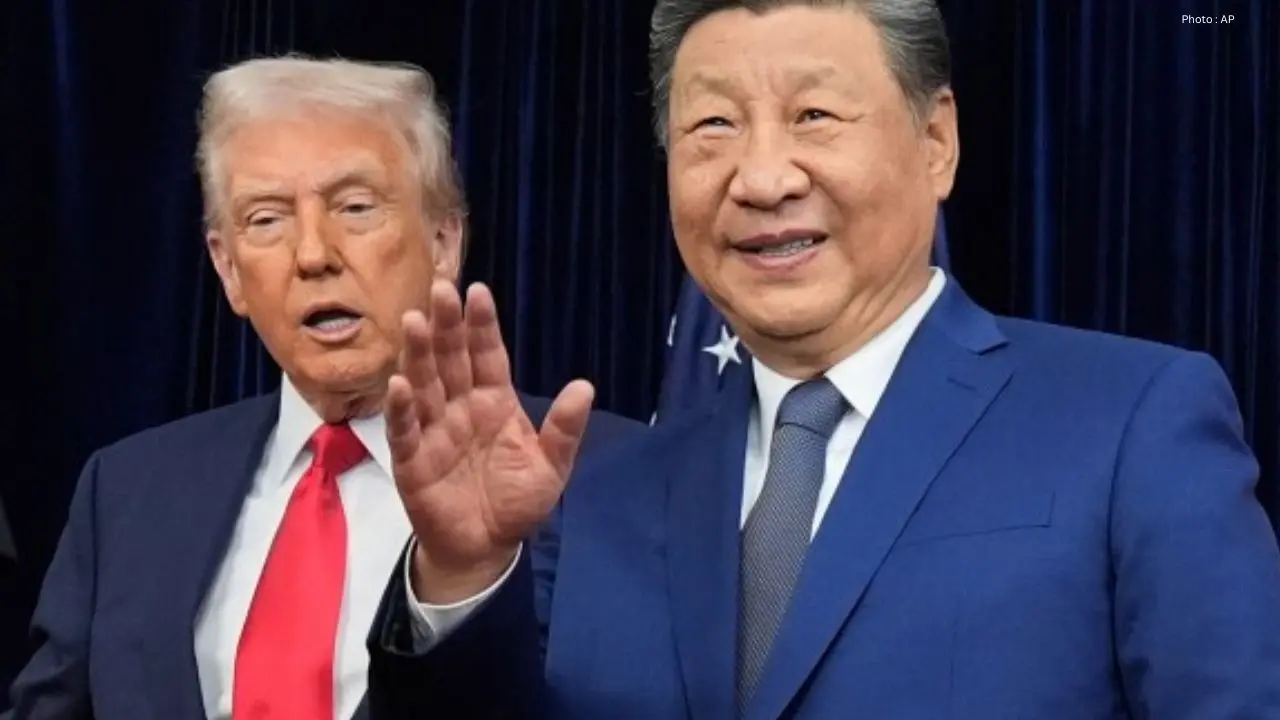
In their correspondence, the governors challenged the timing and justification for such measures, suggesting that the national security argument might be more of a pretext than a genuine concern. They also indicated President Trump’s historically negative stance on wind energy, which he has labeled as unattractive, costly, and inefficient.
This moratorium is compounding the hurdles faced by developers in the offshore wind sector, which necessitates vast financial investments and extensive planning. Delays can escalate costs, deter potential investors, and impede the expansion of clean energy employment along the Eastern Seaboard.
Federal agencies, including the Interior, Commerce Departments, and the Environmental Protection Agency, are under a directive to suspend new wind project approvals while leasing and permit regulations are reviewed. Notably, a federal judge recently invalidated a comprehensive ban on all new wind energy approvals put forth by the administration, casting uncertainty on the existing halts.
Advocates for offshore wind initiatives assert that these projects are vital for reducing pollution, generating employment, and enhancing energy security. Detractors, however, caution that they come with high costs and pose environmental and security challenges. This debate underscores a deeper schism regarding U.S. energy policy and climate objectives.
As it stands, the future of the five offshore wind projects hangs in the balance. The governors are urging the federal authorities to reconsider their stance, emphasizing that the pursuit of clean energy should not be obstructed without solid and validated grounds.