Delhi is once again grappling with severe air pollution as the Air Quality Index (AQI) in various regions has soared above 300, categorizing it as “very poor” and even “hazardous.” At times, the AQI has exceeded 700 in certain areas during the early morning. This signals the presence of harmful particles that can infiltrate the lungs and lead to respiratory issues.
Many believe that merely closing all windows and staying indoors offers complete safety. However, physicians caution that indoor air can be polluted as well. Emissions from cleaning products, smoke, dust, damp surfaces, pets, and even furniture materials can render indoor air hazardous.
Dr. Sachin Kumar, a pulmonologist based in Bengaluru, has shared ten practical and manageable strategies to enhance indoor air quality and safeguard your family's health. His suggestions are straightforward and don’t necessitate significant lifestyle alterations.
He elaborated on the dangers of inhaling polluted air, which allows minute particles and gases to enter the body, potentially causing cough, asthma, low oxygen levels, lung infections, heart complications, and could heighten cancer risks over time. Vulnerable populations like children, the elderly, and expectant mothers are at an increased risk. Homes with dampness or inadequate ventilation are especially susceptible to trapping pollutants.
To mitigate these risks, Dr. Kumar recommends refraining from allowing cigarette smoke inside the house. The remnants can cling to clothing and furniture, continuing to pose risks even in smoke-free environments. Additionally, he suggests opting for solid wood furniture rather than inferior wood options that use chemical adhesives. When using strong cleaning agents like bleach or glass cleaner, it’s advisable to wear a mask to shield the lungs from toxic fumes.
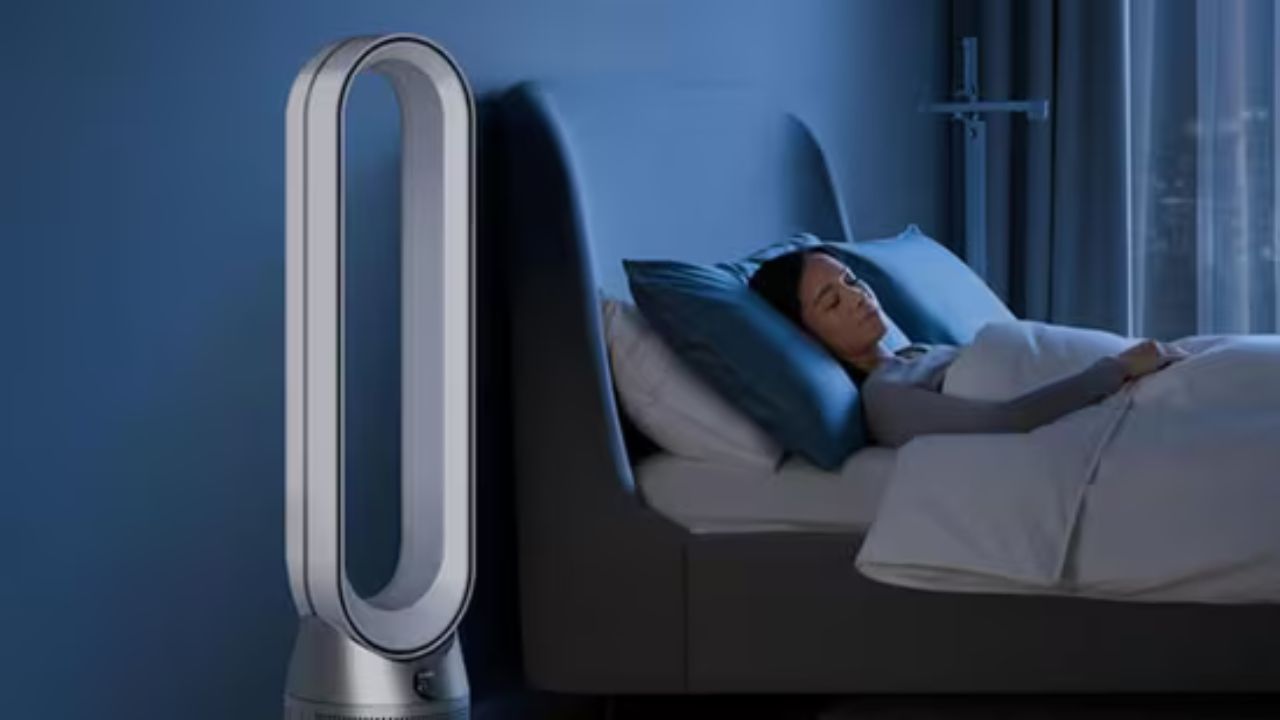
Employing an air purifier equipped with a HEPA filter can eliminate up to 99% of dust and pollutants from your space. Opening windows during times of lower external pollution can enhance circulation. Addressing dampness in the home is crucial, as moisture fosters mold and fungus, which can aggravate breathing issues. Utilizing fans, dehumidifiers, and repairing leaks can significantly curb humidity levels.
If you own pets, ensure they are groomed regularly to cut down on dust and allergens in your space. It’s also recommended to avoid burning wood for heating or cooking indoors due to its harmful emissions. Instead, consider electric or solar heaters. Indoor plants such as aloe vera, peace lily, and snake plant can also naturally boost air quality.
In a period when outdoor air quality is alarmingly poor, prioritizing the air inside the home is crucial. These small, actionable steps can help protect your lungs and maintain the health of your family. While comprehensive strategies to combat pollution demand government intervention and large-scale reforms, each household can contribute to making their indoor space safer.