A pivotal transformation is taking place in global security as both Germany and Japan reconsider their historical defence policies. Experts suggest this could represent the most profound shift in their military strategies since World War II. For decades, both countries maintained a pacifist stance, but current geopolitical realities compel them to adopt a more assertive defence posture.
In the aftermath of World War II, Germany and Japan implemented strict military limitations. Their focus shifted towards economic revival, trade, and industrialisation, with security largely reliant on alliances, especially with the United States, which provided a security umbrella while they rebuilt their economies.
Nevertheless, the recent shifts in global security dynamics—marked by escalating tensions and regional conflicts—have highlighted the inadequacies of this approach. Consequently, both nations are re-evaluating their defence initiatives, acknowledging that reliance on external allies may no longer suffice for long-term security.
To this end, Germany has taken significant measures to bolster its military. The nation plans to develop some of the most advanced conventional forces in Europe, positioning itself as a crucial pillar of European security amid rising threats.
Germany’s strategy underscores its commitment to increased defence spending, aiming to meet NATO's guideline of allocating at least 2 percent of its GDP to military purposes. This initiative will support military modernisation, enhance operational readiness, and establish a more nimble armed force.
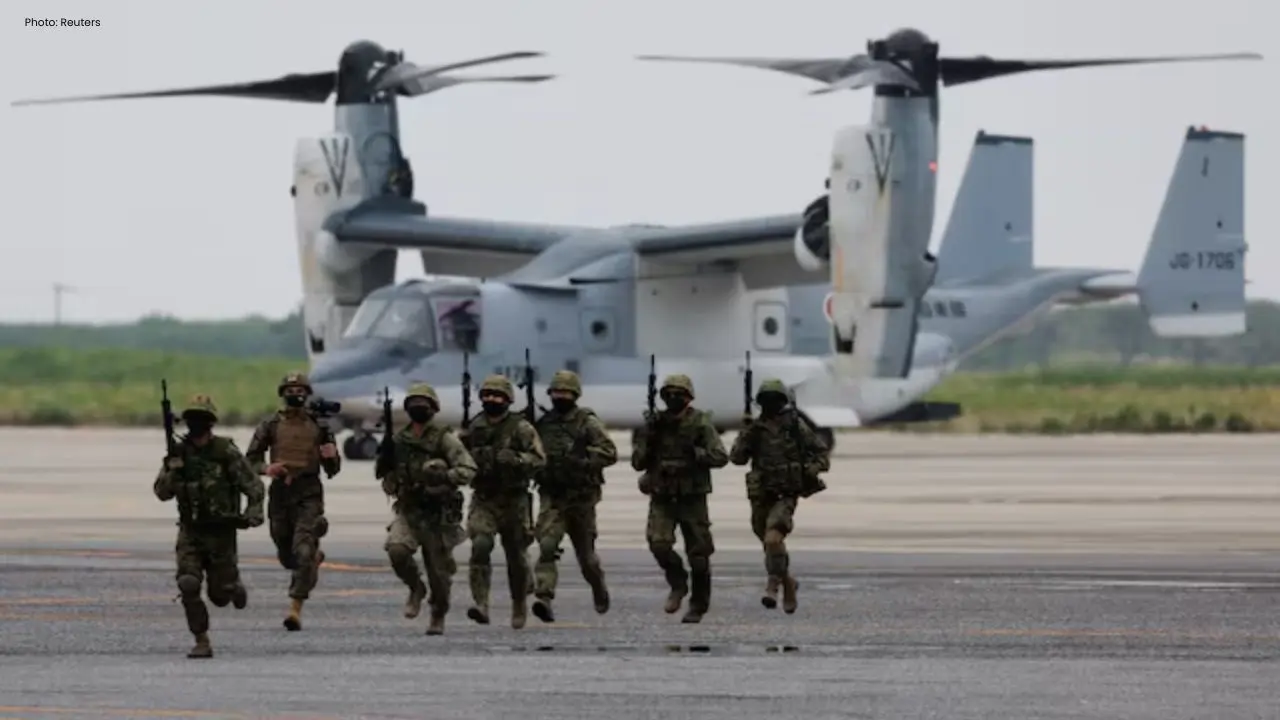
Simultaneously, Japan is experiencing a landmark shift in its defence strategy. By lifting bans on lethal weapons exports, Japan is moving away from its post-war pacifist ideology to engage actively in the international defence market and foster collaborations with global partners.
Furthermore, Japan is amplifying its defence budget and developing advanced military technologies, including counterstrike options, driven by escalating security threats from China and North Korea. The nation is also fostering joint defence initiatives and strengthening alliances to reinforce its strategic capabilities.
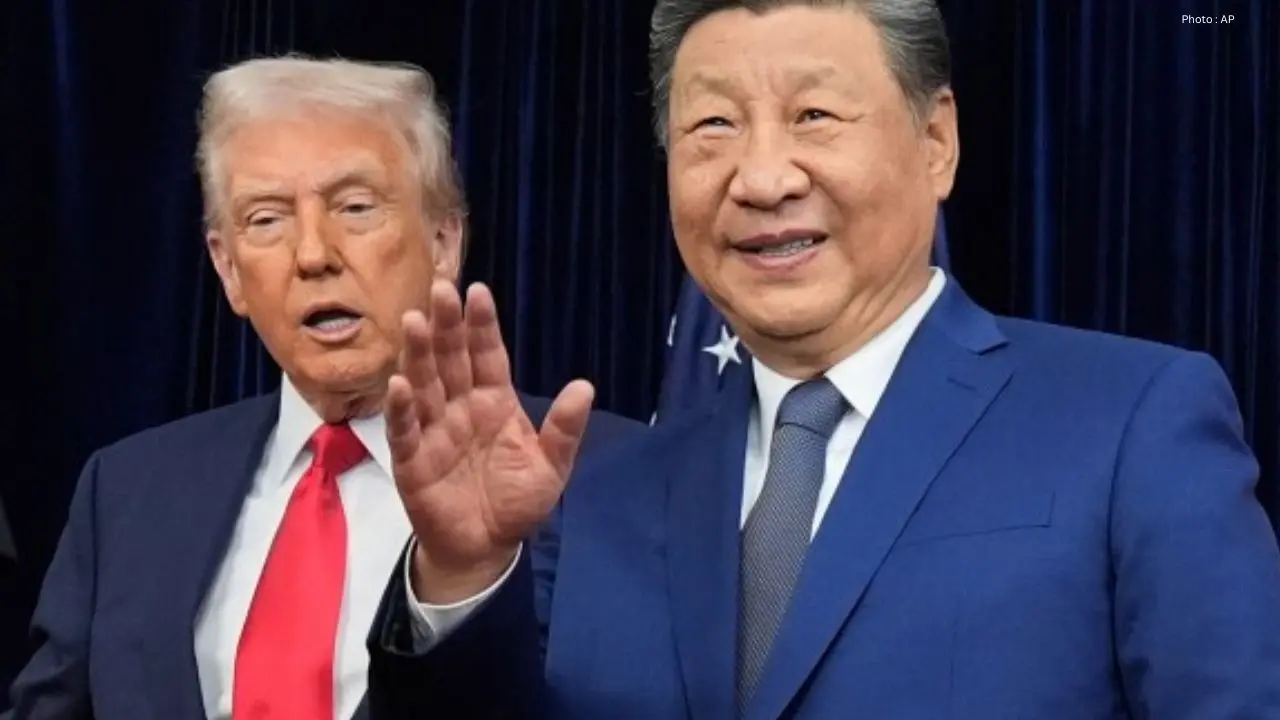
Concurrently, the role of the United States in the global security landscape is transitioning. While the U.S. remains a dominant military force, it increasingly urges allies to assume greater responsibility for their own defence, prompting nations like Germany and Japan to boost their military readiness.
The militarisation of these countries is set to reshape global power dynamics. Though these shifts aim to bolster national and regional security, they also evoke concerns about escalating militarisation and potential tensions. Experts caution that this evolving scenario could introduce new challenges, particularly in sensitive areas like Europe and East Asia, as the world becomes more complex and multipolar.