Veterans from Denmark and Greenland have publicly condemned recent comments and rhetoric linked to former U.S. President Donald Trump’s stance on the Arctic island of Greenland, describing the tone from Washington as deeply hurtful, disrespectful, and a betrayal of longstanding shared service and sacrifice alongside American forces.
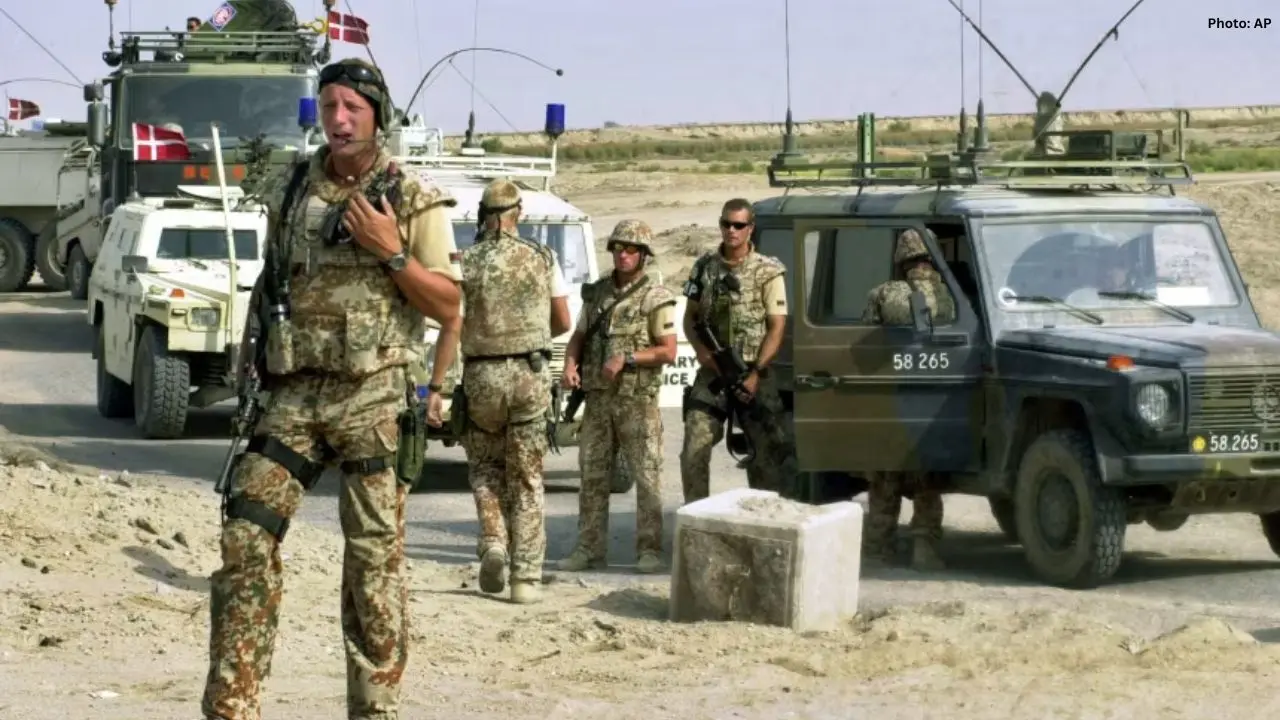
On a recent afternoon in Copenhagen, Company Sergeant Major Henrik Bager — a Danish veteran who served multiple deployments alongside U.S. troops in Afghanistan and Iraq — described his emotional response to comments from Trump’s administration about Greenland’s relationship with the United States. Bager said the rhetoric, which he heard as dismissive of Denmark’s contributions and sacrifices, felt like “a punch to the gut,” and later “sadness, disappointment and anger” as the remarks continued.
Bager’s feelings reflect broader unease among veterans who fought shoulder-to-shoulder with American forces in NATO and other operations over decades. Many say the United States and Denmark have long been close allies, sharing military engagements and mutual support, and that any suggestion of disrespect undermines that history and those bonds.
Beyond Bager’s personal account, veterans and commentators note that tensions have grown amid recent talk about U.S. ambitions tied to Greenland, including repeated suggestions that the island is of strategic interest and could be subject to new agreements that shift influence in the Arctic. Residents in both Greenland and Denmark have protested slogans like “Greenland is not for sale” and responded critically to external pressure, underscoring how sensitive sovereignty issues have become.
While the Biden and Trump approaches differ, the flare-ups over Greenland’s future have galvanized local and veteran voices around defending autonomy and respect between allies. Veterans emphasize that mutual respect — not rhetoric that appears hostile or dismissive of shared military history — is essential to maintaining trust and cooperation within NATO and other partnerships.