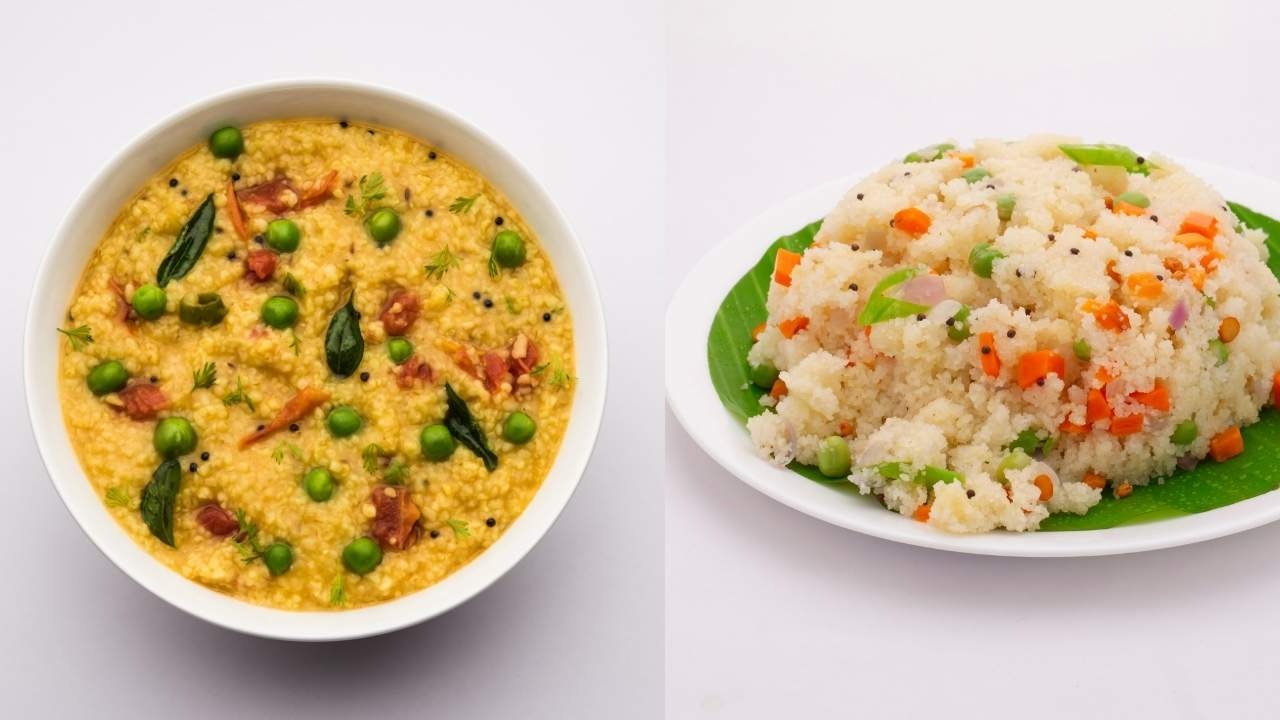
Dalia or Upma: Which Breakfast is Your Best Bet for Weight Loss?
Embarking on a weight-loss journey isn't only about counting calories or hitting the gym; it starts with a mindful breakfast. The morning meal significantly influences fat burning, digestion, and energy management for the rest of the day. Many ponder the merits of two beloved breakfast choices: Dalia (broken wheat porridge) and Upma (semolina dish).
Both options are nutritious, easy to prepare, and delicious, but which is more effective for your weight-loss goals? Let's delve into both and determine the better choice for a lighter, healthier start to your day.
The Essentials of a Healthy Weight-Loss Breakfast
A good breakfast should nourish and energize you rather than simply fill your belly. It ought to enhance your metabolism and keep you satiated until lunchtime.
Nutritionists recommend that your morning meal should:
-
Be plentiful in fiber and protein.
-
Provide consistent energy without leading to fatigue.
-
Utilize minimal oil and sugar.
-
Ensure you remain full longer, diminishing mid-morning snack impulses.
While both Dalia and Upma can fulfill these criteria, their cooking methods and additional ingredients significantly affect their nutritional profiles.
Dalia: The Fiber-Rich Choice
What is Dalia?
Dalia, often referred to as broken wheat, is crafted by milling whole wheat grains. It retains its nutrients and fiber, making it one of the healthiest grains available. You can enjoy it sweetened with milk and nuts or savory with vegetables and spices.
Reasons Dalia Aids Weight Loss:
-
High in Fiber: Dalia digests gradually, keeping you full longer and warding off overeating.
-
Low Glycemic Index: It doesn’t spike blood sugar levels quickly, making it suitable for those watching their weight and sugar intake.
-
Rich in Nutrients: Dalia offers iron, magnesium, and B vitamins—essential for energy and metabolism.
-
Versatile Preparation: It can be adapted into various forms—whether sweet, savory, or as a soup.
Calories:
A medium bowl (about 150–200g) of vegetable Dalia contains roughly 150–180 calories, depending on the oil or ghee used.
Healthier Cooking Tips:
-
Employ minimal oil for cooking.
-
Incorporate vegetables like spinach, beans, and peas.
-
Add protein sources such as paneer, moong dal, or tofu.
These adjustments make Dalia not only filling but also packed with the nutrients needed for active lifestyles and steady fat loss.
Upma: The Quick and Light Alternative
What is Upma?
Upma is a dish made from semolina (sooji or rava), popular in South India and often flavored with spices like mustard seeds and curry leaves.
Benefits of Upma:
-
Difficulties with Digestion: Excellent for individuals with light digestion issues.
-
Quick Preparation: Ready in less than 15 minutes.
-
Low in Fat: When used with little oil, it’s light and easy on the stomach.
Calories:
A serving (about 150g) of vegetable Upma generally has between 180–200 calories.
The Drawback:
Semolina is a refined grain and lacks essential fiber and nutrients, which can lead to quicker feelings of hunger.
Healthier Upma Preparation:
-
Opt for coarse rava instead of fine.
-
Add a variety of vegetables like tomatoes, peas, and carrots.
-
Use olive or coconut oil in place of ghee.
-
Top with flaxseeds or nuts for added nutrition.
Dalia vs. Upma: A Direct Comparison
| Nutrient/Factor |
Dalia (Broken Wheat) |
Upma (Semolina) |
| Grain Type |
Whole grain (unrefined) |
Refined grain |
| Fiber Content |
High |
Moderate to low |
| Protein Content |
Moderate |
Somewhat lower |
| Digestive Rate |
Slow, keeps you full longer |
Quick, but hunger returns sooner |
| Glycemic Index |
Low |
Medium to high |
| Calories (per bowl) |
150–180 |
180–200 |
| Best For |
Sustained energy & fat loss |
Rapid, light meal |
| Overall Winner |
⭐ Dalia |
✅ Upma (for busy mornings) |
Which is the Better Option for Losing Weight?
If sustained fat loss and fullness are your priorities, Dalia is the clear choice. Its high fiber and whole grain qualities excel at promoting digestion and long-term weight management.
However, don't underestimate Upma. It's a solid option if you need something quick. When prepared smartly with vegetables and little oil, it can certainly fit into a healthy breakfast routine.
Bonus Advice:
You don’t have to commit to just one forever. Switch it up—enjoy Dalia for wholesome and filling mornings, and Upma when time is of the essence.
Smart Tips for Preparing Dalia or Upma to Maximize Weight Loss
-
Limit Oil: Just a half teaspoon of olive or coconut oil per serving is sufficient.
-
Boost Vegetable Content: Ingredients like spinach, peas, and carrots enhance fiber and vitamin intake.
-
Add Protein: Pair with yogurt, boiled eggs, or paneer for enhanced satiety.
-
Avoid Instant Mixes: Pre-packaged versions often include preservatives and excess sodium.
-
Monitor Portions: A bowl (about 150–200g) is the ideal portion size.
Expert Perspective: Kickstart Your Morning Metabolism
Nutritionists agree your breakfast should incorporate complex carbs, fiber, and protein to keep your metabolism running effectively.
Here's how to enhance your morning meals:
-
Add flax or chia seeds for added omega-3 fats.
-
Drink green tea or warm lemon water for improved digestion.
-
Steer clear of sugary beverages or fried snacks during breakfast.
Making these small changes can significantly improve the health benefits of both Dalia and Upma in your fitness routine.
The Final Decision
✅ Pursue Dalia if you desire:
✅ Opt for Upma if you prefer:
Both Dalia and Upma have their unique virtues, and incorporating them into a balanced diet is key. Aim for consistency, exercise, proper hydration, and mindful eating to achieve enduring results.
In the realm of breakfast choices, when it comes to sustainable weight loss, Dalia prevails. Its fiber-rich content and filling aspects keep you satisfied and effectively minimize snacking.
Keep in mind that weight loss focuses on eating intelligently rather than just less. Choose whole, natural, and nutritious foods that support your physical well-being while avoiding overly processed options.
The next time you're faced with the decision between Dalia and Upma, focus on nourishment instead of just calories. A comforting, homemade bowl of vegetable Dalia could be the straightforward tweak aiding your journey towards health more rapidly.
Disclaimer
This article is solely for informational purposes and should not substitute for professional medical or dietary advice. Consulting with a registered dietitian or healthcare provider is advised before making any significant dietary changes or embarking on weight-loss plans. Individual results may vary based on multiple factors including age, health status, and lifestyle choices.