Photo: Reuters
The Czech Republic is preparing for parliamentary elections on October 3–4, 2025. These elections are attracting a lot of attention because they could bring major changes to the country’s political landscape.
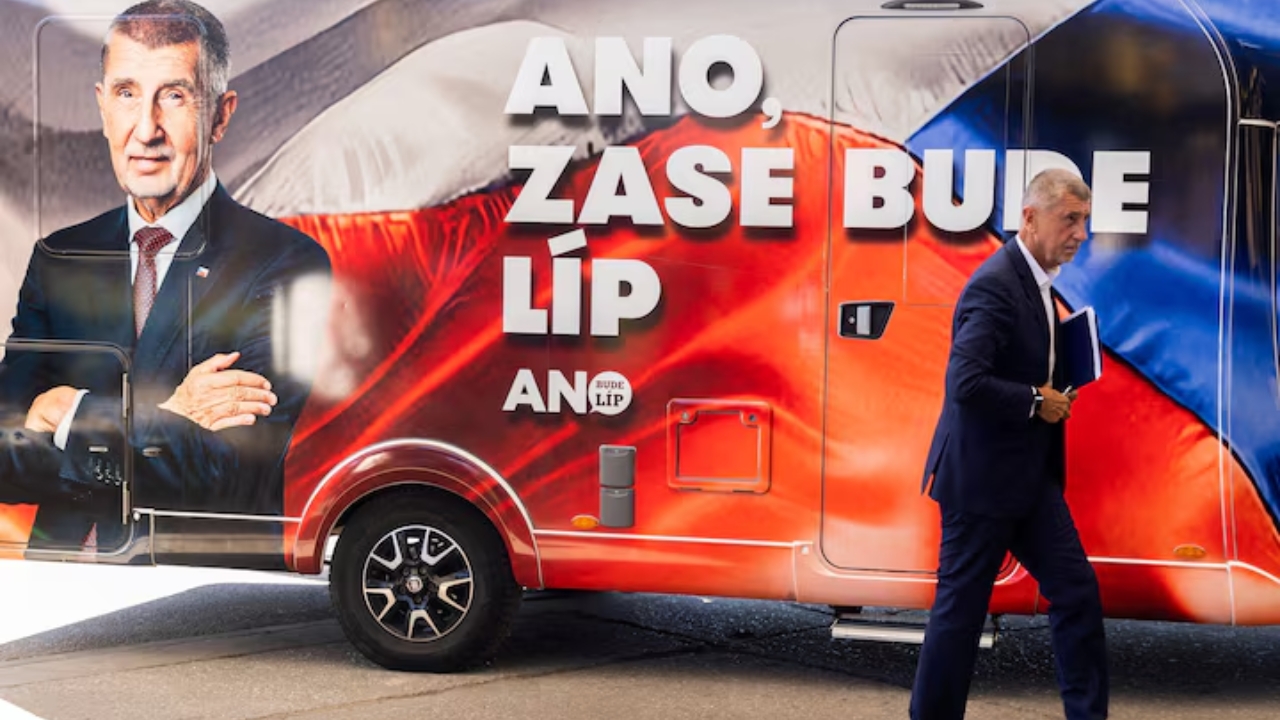
According to a recent opinion poll conducted by the STEM agency for CNN Prima News, the opposition party ANO, led by former Prime Minister Andrej Babiš, has widened its lead over the ruling coalition. This development has sparked debates about what the results might mean for Czech politics, European relations, and domestic policies.
The Current Political Situation in the Czech Republic
The Czech Republic is a parliamentary democracy, which means the government is chosen by members of parliament rather than directly by the public. The current government is a centre-right coalition called SPOLU, led by Prime Minister Petr Fiala. The coalition includes several parties that work together to form a majority in parliament.
Since the last election, the SPOLU coalition has focused on economic reforms, European Union relations, and maintaining strong ties with NATO. However, some citizens have become frustrated with high inflation, energy costs, and rising living expenses. This frustration has contributed to the rising popularity of the opposition party ANO.
ANO Party and Andrej Babiš
The ANO party was founded by businessman Andrej Babiš, who served as Czech Prime Minister from 2017 to 2021. Babiš is a controversial figure, known for his populist policies, strong personality, and business background. He has shifted the ANO party toward more conservative and Eurosceptic positions in recent years.
The party’s platform appeals to voters who feel left behind by economic changes or who are skeptical of European Union policies. ANO supporters often prioritize national sovereignty, economic growth, and protection of traditional values.
Recent Poll Results
The latest STEM agency poll shows that the ANO party has 31.3% support among Czech voters. This is a significant lead over the SPOLU coalition, which has 20.2% support. Other parties, including the far-right SPD and smaller nationalist parties, are expected to gain some seats, but none are likely to achieve a majority on their own.
Polls also indicate that seven political groups may win seats in the lower house of parliament. The fragmented results suggest that coalition-building will be essential after the elections, no matter which party comes in first.
Potential Coalition Scenarios
If ANO emerges as the largest party, it will need to form alliances to govern effectively. Possible partners include the anti-EU and pro-Russian SPD and Stacilo! parties, as well as the Motorists party. These parties share some policy goals with ANO, such as national sovereignty, skepticism toward the EU, and certain social policies.
However, ANO officials have said they will not compromise the country’s position in the European Union or NATO. The party seeks to balance domestic populist policies with international obligations. Analysts predict that coalition talks will be complex, with negotiations likely to continue for several weeks after the election.
ANO’s Policy Proposals
The ANO party has outlined several key policies for its campaign. These include:
Increased Public Spending and Tax Cuts: ANO plans to increase government spending on social programs while reducing taxes for individuals and businesses. Supporters argue that this will boost the economy, while critics warn it could increase national debt.
Opposition to EU Green Policies: ANO opposes some European Union environmental regulations, including carbon pricing and strict green energy targets. The party argues that these policies could harm the Czech economy and increase costs for citizens.
Nationalization of Energy Companies: ANO wants to fully nationalize the energy giant ČEZ to control electricity pricing and improve energy security. Critics say this move could discourage private investment and reduce efficiency.
Lowering the Pension Age: The party proposes lowering the retirement age to 65, giving citizens the option to retire earlier. This policy is popular with older voters but could place pressure on the pension system.
Abolition of Public Media Fees: ANO aims to remove fees associated with public media, making access free for citizens. Supporters say this is fair, while critics worry it could reduce funding for high-quality programming.
Reactions from Other Parties
Prime Minister Petr Fiala and the SPOLU coalition have criticized ANO’s policies, claiming they could harm economic stability and weaken ties with Europe. Fiala has also warned that forming coalitions with extremist parties could endanger Czech democracy and its position in the European Union and NATO.
Other opposition parties have emphasized the need for transparency and accountability in government, urging voters to carefully consider ANO’s proposals and coalition possibilities.
European and International Considerations
Andrej Babiš has shifted the ANO party toward the far-right in the European context. The party now associates with the Eurosceptic “Patriots for Europe” group in the European Parliament, which includes leaders like Hungary’s Prime Minister Viktor Orbán.
This alignment has raised concerns among pro-EU officials, who worry that a Babiš-led government could challenge Czechia’s democratic norms and its integration within the European Union. Diplomatic observers also note that the election outcome could influence Czech foreign policy, particularly toward the EU and NATO allies.
Public Opinion and Voter Sentiment
The Czech electorate is divided. Many voters support ANO’s populist approach and its promises to address domestic issues such as energy costs, taxes, and social programs. Others fear that cooperation with extremist parties and Eurosceptic policies could weaken democratic institutions and damage international relationships.
Voter turnout is expected to be high, as citizens recognize the stakes of the election. Analysts predict that the election will not only determine the next government but also shape the country’s political direction for several years.
The Importance of Coalition Building
Because no party is likely to secure an outright majority, coalition-building will be essential. ANO will need to negotiate with other parties to form a stable government. These negotiations will likely involve compromises on policies, leadership positions, and international commitments.
The coalition process is crucial for maintaining political stability. A government that cannot work together effectively could face challenges in passing legislation and managing the country’s economic and foreign policies.
Potential Impact on Domestic Policies
- If ANO leads a coalition government, several domestic policies could be influenced:
- Economic Growth: Increased public spending and tax cuts may stimulate economic growth but could also raise the national deficit.
- Energy Security: Nationalization of energy companies could help control prices but may reduce competition and efficiency.
- Social Policies: Lowering the pension age and providing free public media could benefit citizens but require careful financial management.
- EU Relations: Eurosceptic policies may strain relations with European institutions and affect funding for Czech programs.
Challenges and Opportunities
ANO faces both challenges and opportunities. Its policies appeal to a significant portion of the population, giving it an advantage in the elections. However, critics argue that some policies could threaten long-term economic stability and democratic norms.
The party’s success will depend on its ability to navigate coalition negotiations, implement policies effectively, and maintain credibility with voters and international partners.
Historical Context
The Czech Republic has a history of coalition governments and political fragmentation. No party has consistently won a clear majority in recent decades, making alliances and negotiations a common feature of Czech politics.
Andrej Babiš and ANO have been central to Czech politics for years, but this election represents a critical moment. The outcome will influence the country’s domestic and foreign policies, as well as its relationship with the European Union and NATO.
Future Outlook
The October 2025 elections are expected to be closely contested. If ANO wins, coalition-building will determine the government’s stability and policy direction. If SPOLU or another coalition gains power, the country may continue its current approach toward EU cooperation and economic management.
Regardless of the outcome, the election highlights the importance of democratic participation, voter engagement, and careful consideration of policies that affect the nation’s future.
The Czech Republic’s upcoming parliamentary elections are a defining moment for the country. The opposition ANO party has widened its lead in polls, reflecting growing support for its populist policies and Eurosceptic approach.
While ANO’s platform appeals to many voters, it also raises concerns about economic stability, coalition governance, and international relations. The election results will shape the political landscape, influencing both domestic and foreign policies.
Czech citizens face an important decision, and the outcome will determine the country’s direction for the next several years. As the election approaches, political analysts, voters, and international observers will closely monitor developments to understand how this critical vote may impact the nation and the region.