The Evolution of Culinary Travel
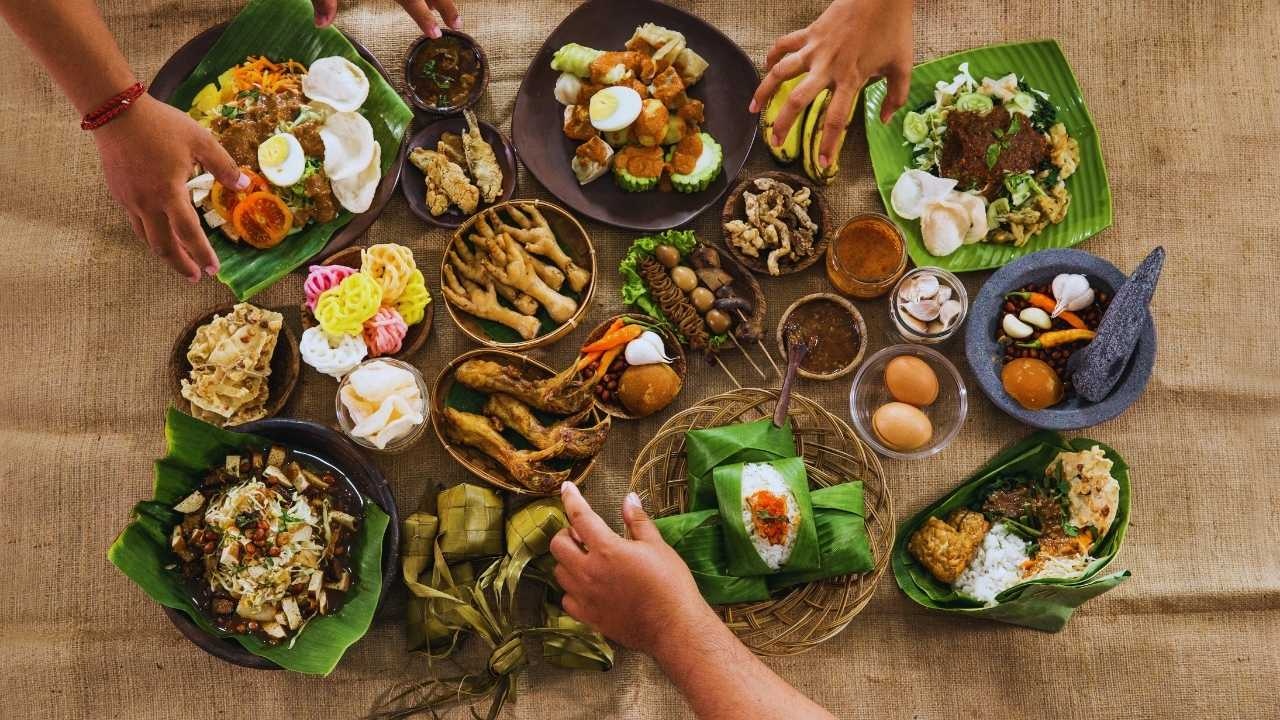
Recently, culinary travel has gained traction, reflecting a modern traveler’s quest for immersive experiences beyond typical sightseeing. People are yearning to delve into the heart of destinations through local cuisine. From bustling markets to home kitchens, food plays a vital role in unveiling the history and daily life of a region.
Food tours stand out as a popular choice for these explorations. They weave gastronomy with narratives, allowing tourists to sample local delicacies while understanding the significance behind each bite. Culinary tourism appeals to all senses, leaving a profound impact on travelers’ experiences.
Street Food: A Culinary Narrative
Often regarded as the soul of a place, street food encapsulates rich traditions and flavors in every dish. Cities like Bangkok, Istanbul, and Mexico City are famed for their lively street food culture. Guided tours through these culinary landscapes allow visitors to savor specialties like pad Thai, kebabs, and tacos.
These impactful experiences extend beyond taste; guides often narrate the rich history and cultural context tied to each dish. For example, discovering the story of a taco's evolution in Mexico can reveal influences from various cultures over time, nurturing a deeper respect for local heritage.
Experiencing Food from Farm to Table
Many tours emphasize the farm-to-table concept, connecting travelers to the sources of their meals. Visiting places like vineyards and olive farms offers insights into production methods and environmental significance.
A tour through Tuscany’s olive orchards or Napa Valley vineyards provides not just scenic beauty, but also hands-on learning about sustainable farming practices and regional traditions, enhancing appreciation for local culinary arts.
Culinary Classes: Learning Through Cooking
Interactive cooking classes have become essential to culinary tourism. Participants grasp traditional methods from local chefs, preparing dishes that showcase cultural depth.
Whether it's crafting pasta in Italy, dumplings in China, or tagine in Morocco, these hands-on experiences foster understanding and create lasting memories that deepen appreciation for the art of cooking.
Telling Stories Through Culinary Tours
The best food tours seamlessly meld gastronomy with stories. Guides often share fascinating anecdotes tied to culinary events, family traditions, and rituals associated with the dishes. This context enriches a meal with cultural understanding.
For instance, a food tour in Istanbul might explore the Ottoman influences on Turkish cuisine, while Kyoto visitors might uncover the cultural significance of tea ceremonies. Tours that focus on storytelling enhance the traveler’s experience, generating emotional connections to each dish.
Sustainable Culinary Experiences
Today’s culinary travelers increasingly prioritize health and sustainability. Tours often highlight organic, locally-sourced ingredients and ethical practices.
Seafood tours may emphasize sustainable fishing, while visits to farms highlight regenerative agriculture. Tour operators advocate for conscious consumption by encouraging support of local enterprises, contributing positively to communities.
Urban vs Rural Culinary Adventures
Culinary experiences vary substantially between urban and rural settings. Urban locales showcase diversity with avant-garde eateries, while rural areas focus on traditional and seasonal practices.
Travelers can enjoy authentic flavors by balancing experiences between city street food and countryside farm-to-table dining. This approach provides a well-rounded view of regional culinary identities.
The Role of Technology in Culinary Tourism
Technology is transforming food tours as mobile apps, virtual reality, and social media platforms make it easier for travelers to discover local gems, book experiences, and even join online cooking classes.
These platforms offer invaluable reviews and curated itineraries, enhancing engagement while AI-powered recommendations allow for tailored tours based on traveler preferences.
Spotlight on Global Culinary Tours
Various regions have made their mark in culinary tourism:
-
Italy: Cities like Bologna and Florence boast tours focusing on pasta-making and cheese tasting.
-
Japan: Tours in Tokyo and Osaka blend street food experiences with sushi-making and tea ceremonies.
-
Mexico: Discover mole workshops and mezcal tastings in Oaxaca and Mexico City.
-
Morocco: Explore the spice market and participate in traditional cooking classes in Marrakech.
These examples showcase how culinary tourism connects travelers to the heart of each destination.
Culinary Tourism as Cultural Preservation
Culinary tourism impacts cultural preservation by generating economic value through local cuisine, encouraging communities to maintain their culinary heritage.
Chefs and artisans pass on knowledge through workshops and dining experiences, enabling travelers to grasp these local practices and fostering a cycle of cultural appreciation.
Designing Your Culinary Travel Adventure
If you're eager for a food-centric journey, thorough planning is essential:
-
Explore Destinations: Look for regions renowned for their unique culinary offerings.
-
Choose Trusted Tours: Seek operators who have knowledgeable guides and a commitment to ethical tourism.
-
Meet Dietary Preferences: Ensure meals accommodate any dietary restrictions.
-
Engage Fully: Take part in all cooking and tasting activities to enrich your experience.
-
Respect Local Traditions: Be mindful of local customs and avoid commercialization of cultural practices.
Well-curated culinary trips result in authentic experiences that celebrate both the flavors and the traditions behind them.
Conclusion — Embracing Culture Through Culinary Journeys
Culinary travel transcends mere tasting; it encompasses the understanding of history and culture embedded in every dish. From colorful street food tours to engaging farm visits, food experiences provide a window into a region’s identity.
As travelers increasingly seek deeper connections, culinary tourism serves as a bridge between exploration and cultural appreciation. By emphasizing authenticity and engagement, these journeys not only delight the senses but also pay tribute to the people and places that make each location special.
Disclaimer
This article is intended for informational purposes only. Please verify local conditions and regulations before planning your culinary travels.