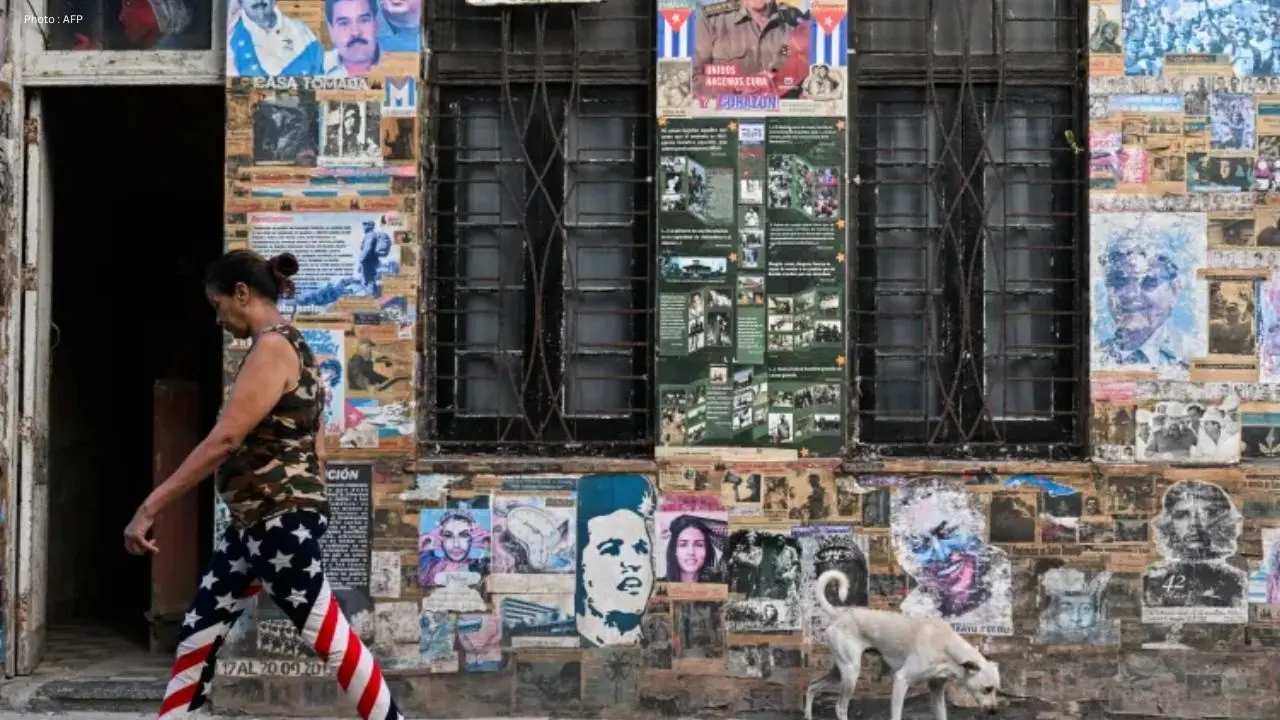
Cuba has once again highlighted its long-standing military doctrine and national defence strategy amid renewed political tensions with the United States. Under the slogan “Homeland or death,” Cuban officials have stressed that the country would strongly resist any foreign military attack and rely on a nationwide defence system built over decades of political conflict and economic pressure.
The phrase “Homeland or death” has been a powerful political slogan in Cuba since the time of former revolutionary leader Fidel Castro. It reflects the country’s position that defending national sovereignty is a central part of Cuban identity and government policy. Cuban leaders have often used the slogan during periods of tension with the United States, especially when discussing sanctions, military threats, or foreign pressure.
Cuba’s defence strategy is based not only on its armed forces but also on the idea of “people’s war,” where ordinary citizens would play a role in national defence during any invasion or military conflict. The country has developed large civilian defence networks, reserve forces, local militias, and emergency response systems designed to support the military if the nation faces external aggression.
Military analysts say Cuba’s strategy focuses on making any potential foreign intervention costly and difficult rather than competing directly with the advanced military technology of larger countries. The Cuban military has historically invested in defensive tactics, underground facilities, guerrilla-style warfare planning, and local mobilisation systems aimed at protecting key infrastructure and urban areas.
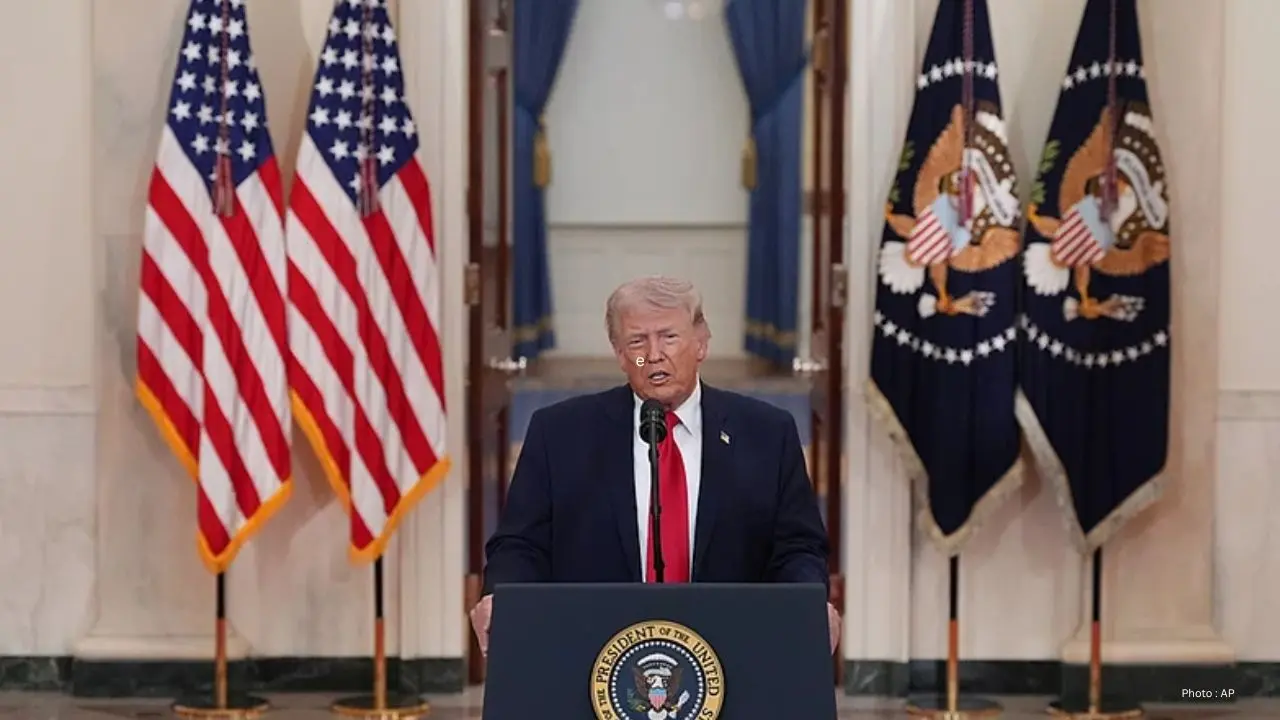
The issue has returned to public discussion as relations between Cuba and the United States remain tense over sanctions, economic restrictions, migration disputes, and political disagreements. The US continues to maintain strict economic measures against Cuba, while Cuban officials accuse Washington of trying to weaken the country through economic pressure and diplomatic isolation.
Cuban authorities have repeatedly stated that the country is prepared to defend itself against any form of external interference. Government officials also argue that national unity and public support would be central to resisting foreign military action. State media in Cuba frequently highlights military exercises, civil defence drills, and emergency preparedness campaigns as part of this message.
At the same time, experts believe a direct military conflict between the United States and Cuba remains highly unlikely under current international conditions. Analysts say both countries understand the political and economic consequences that such a conflict could create across the region. However, tensions between the two nations continue to shape diplomatic relations and political rhetoric.
The historical relationship between Cuba and the United States has remained complicated since the Cuban Revolution and later events such as the Cuban Missile Crisis. Decades of sanctions, political disagreements, and ideological rivalry have continued to influence ties between the two countries.
International observers say the latest discussions reflect broader geopolitical tensions in the region rather than an immediate military threat. Still, Cuban leaders continue to present national defence as a top priority, especially during periods of increased diplomatic pressure from foreign governments.
The debate has also drawn attention to the wider issue of sovereignty and security in Latin America, where several countries remain sensitive to foreign intervention because of historical experiences. Cuba’s message signals that despite economic difficulties and international pressure, the country intends to maintain a strong stance on national defence and independence.