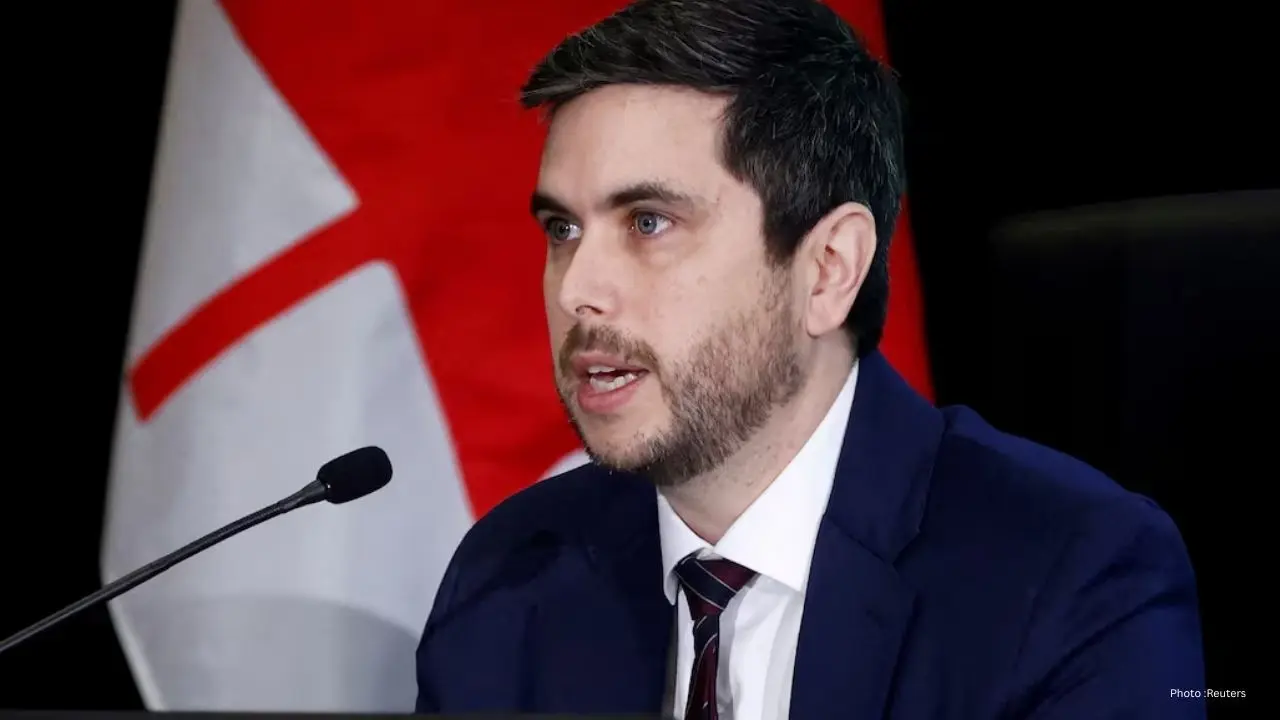
The director of the Canadian Security Intelligence Service (CSIS) has warned that any future referendum in Alberta could become vulnerable to foreign interference efforts and online influence campaigns. CSIS Director Dan Rogers said rising political tensions, separatist debates, and growing public divisions could create opportunities for foreign actors seeking to influence democratic processes in Canada.
Rogers made the comments during a national security discussion focused on increasing concerns about foreign interference across the country. He explained that referendums and emotionally charged political debates often attract outside attention because they can be used to spread misinformation, increase public distrust, and deepen political divisions through social media and online platforms.
The warning comes as Alberta continues facing political debates surrounding provincial autonomy and separatist movements. In recent months, some political groups and activists have pushed for discussions about Alberta’s relationship with the federal government, including calls for greater independence or even a possible referendum in the future. While no official referendum has been announced, intelligence officials said the topic itself could attract foreign interest.
According to Rogers, hostile foreign states often attempt to influence democratic events by spreading false information online, supporting extreme narratives, or using fake accounts to shape public opinion. He said foreign interference campaigns are becoming more advanced and can target elections, political parties, public institutions, and controversial political issues.
CSIS officials stressed that foreign interference does not always involve direct hacking or cyberattacks. In many cases, influence campaigns rely on disinformation, manipulated media, fake social media activity, and attempts to quietly influence political conversations. Intelligence experts warned that these efforts can be difficult for the public to recognize in real time.
The agency did not publicly identify any specific country linked to possible Alberta-related interference concerns. However, Canadian intelligence officials have previously accused countries such as China, Russia, and Iran of attempting to interfere in Canadian political affairs through cyber operations and online influence activities. Those governments have repeatedly denied the allegations.
Political experts say Alberta’s political climate could make it especially vulnerable to online disinformation campaigns because issues involving provincial rights, energy policies, and federal-provincial tensions often generate strong public reactions. Analysts warned that foreign actors may try to exploit emotional political issues to increase polarization and weaken trust in democratic institutions.
The warning from CSIS also follows growing concerns in Canada about misinformation spreading rapidly through social media platforms. Federal officials have repeatedly called for stronger public awareness around digital manipulation, fake news, and online influence operations aimed at shaping political opinions.
Rogers emphasized that protecting democracy requires cooperation between intelligence agencies, governments, technology companies, media organizations, and the public. He encouraged Canadians to critically examine online information, verify sources carefully, and remain cautious about emotionally charged political content shared online.
The Alberta government has not announced plans for any referendum, but discussions surrounding provincial autonomy and separatist movements continue to attract national attention. Security officials said they will continue monitoring possible interference threats closely as political debates evolve across the country.