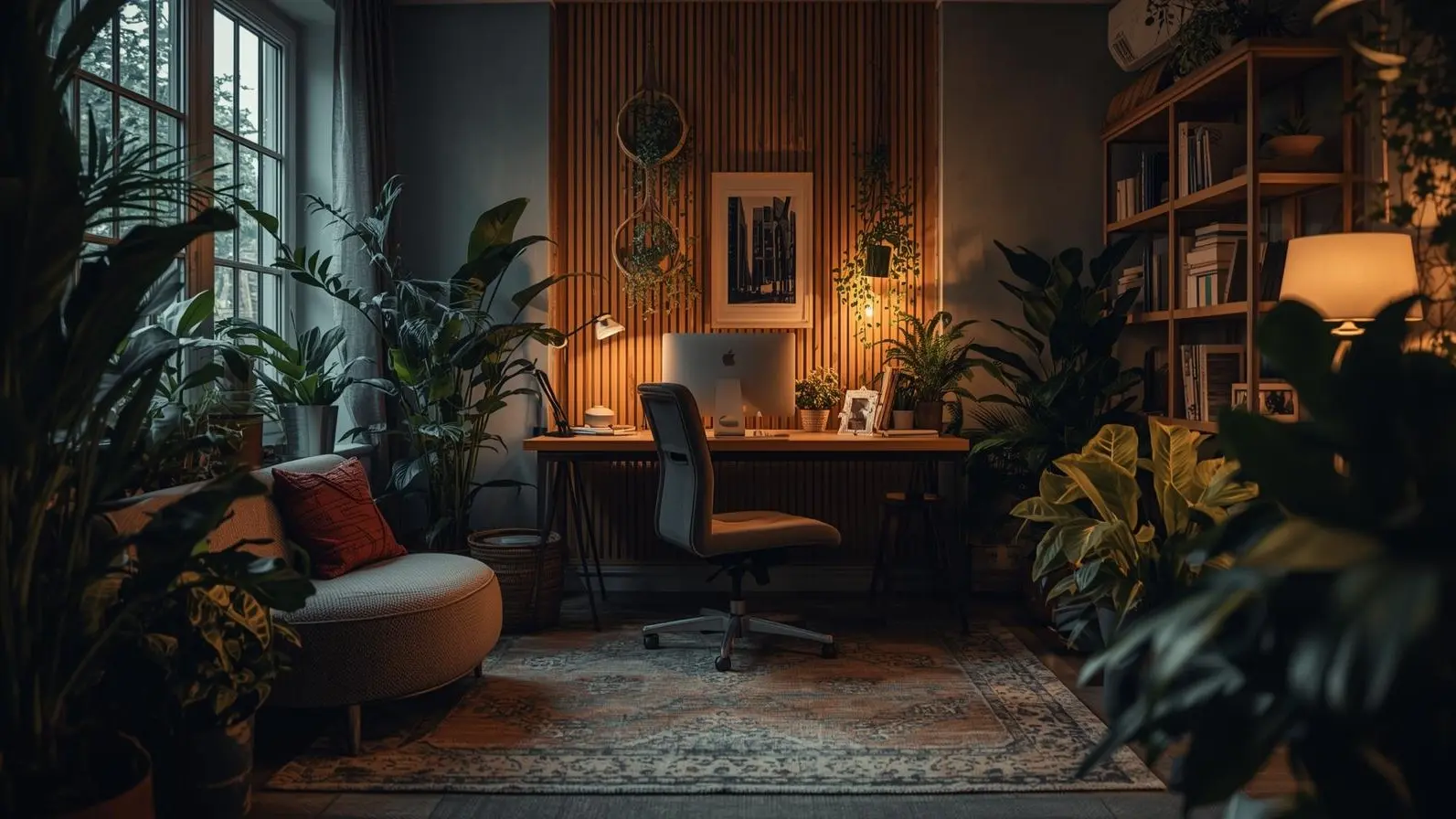
Creating Comfort in Workspaces
Some offices welcome you instantly, offering a sense of calm and focus. This comfort isn’t arbitrary; it's crafted through thoughtful design, ergonomic planning, and psychological influences aimed at enhancing well-being and productivity. Contrary to popular belief, good workspace comfort isn’t about luxury; it’s about how a space caters to our physical and mental needs.
Comfort Is About Feel, Not Just Looks
Many mistake aesthetics for comfort; however, true comfort is a holistic experience.
A comfortable workspace:
Minimizes physical strain
Reduces mental fatigue
Encourages focus and serenity
Feels organic rather than forced
When these factors coalesce, ease is felt without overthinking the surroundings.
The Power of Natural Light
Natural light significantly enhances perceived comfort.
Why Is Natural Light Important?
Humans are naturally responsive to daylight, which can improve mood, energy, and sleep patterns.
Workspaces with plenty of natural light:
Feel more spacious
Boost concentration and alertness
Minimize visual strain and headaches
Provide a sense of time awareness
Relying solely on artificial light can lead to discomfort, regardless of brightness.
Placement of Light Matters
Soft light angles from the side or above create a more nurturing atmosphere than harsh overhead lights.
Subtle Ergonomics for an Inviting Workspace
Comfort in the workplace often comes silently.
Importance of Chairs and Posture
Chairs designed to support your spine and posture can reduce tension while remaining unobtrusive. When your chair is uncomfortable, it’s hard to ignore; the right one becomes almost forgettable.
Desk Setup and Height
Correct desk height promotes natural arm positioning and aligns screens with eye level, which prevents discomfort.
Flexible Design Encourages Movement
Workspaces that facilitate subtle movements like standing or stretching enhance comfort compared to rigid setups.
Essentially, comfort often stems from the absence of discomfort, not lavish design.
Temperature and Air Quality: Silent Key Players
Inadequate thermal comfort is a common reason for workplace discomfort.
How Temperature Affects Focus
If it’s too cold, muscles tense up; if it’s too warm, energy can plummet. An ideal workspace maintains a temperature that feels just right.
Fresh Air Matters
Poor air quality can lead to fatigue and irritability. Effective ventilation enhances oxygen flow, clarity, and comfort.
A well-aired space feels more inviting.
Managing Noise and Sound Psychology
Sound can quickly compromise how comfortable a workspace feels.
Common Noise Disruptions
Comfortable Sound Levels
Effective workplaces manage sound rather than eliminate it entirely. Soft ambient noise and acoustic panels can reduce distractions without creating a tense atmosphere.
Sound comfort can enhance focus and relaxation.
Intuitive Layout Matters
A well-designed workspace should feel easy to navigate.
The Importance of Layout
Intuitive movement within the space can lessen stress levels. Confusing layouts can increase mental load.
Balance of Openness and Privacy
Areas that provide both collaborative and quiet zones enhance comfort compared to uniform designs.
Feeling safe is integral to how people work.
Personal Space Enhances Comfort
Overcrowded settings can lead to discomfort.
Respecting Personal Boundaries
Maintaining adequate distance between workstations helps individuals feel at ease.
Creating Visual Boundaries
Low dividers or planters can establish a sense of space without fostering isolation.
Comfort increases when individuals have their own space in a shared setting.
The Emotional Role of Color
Colors significantly affect mood.
Calming Color Schemes
Soft neutrals promote calmness
Warm hues offer approachability
Natural colors can reduce fatigue
Bright or overstimulating colors may spark initial energy but can lead to discomfort over time.
Visual Clarity vs. Clutter
Organized, clean areas feel lighter and more open, while clutter can heighten stress levels, even subconsciously.
Materials and Textures That Comfort
Comfort involves multiple senses.
Materials That Feel Good
Organic materials like wood and fabric impart warmth, contrasting with cold, shiny surfaces.
Avoiding Sensory Overload
Excessive textures or patterns can overwhelm the senses.
A comfortable workspace maintains sensory balance.
Emotional Safety in Workspaces
True comfort encompasses emotional well-being.
Welcoming Environments
Inclusive and respectful workspaces cultivate emotional ease.
Clarity of Purpose
When a workspace clearly serves its intended function—be it focus, collaboration, or creativity—individuals feel empowered to use it effectively.
Confusion breeds discomfort, while clarity fosters calm.
Flexibility and Adaptability in Design
Workspaces capable of adapting to diverse needs foster long-term comfort.
Why Adaptability Matters
Every employee has varied work patterns each day. Flexible furniture and multi-use spaces allow personalization.
Sense of Control Enhances Comfort
Control over elements like lighting and seating can significantly improve comfort levels.
Feeling in charge reduces stress.
Importance of Cleanliness and Maintenance
A well-maintained workspace is crucial for comfort.
Feeling Safe in Clean Spaces
Neat work areas diminish subconscious anxiety.
Consistency in Maintenance
Issues like broken furniture or erratic lighting lead to persistent stress.
Reliability is key to comfort.
Technology That Supports Instead of Distracting
Technology should enhance productivity, not interfere.
Effortless Integration
Concealed wires, properly placed screens, and efficient tools diminish friction.
Reliable Systems Prevent Frustration
Slow tech or malfunctioning equipment can make environments feel hostile.
Comfort hinges on functionality and reliability.
Cultural Context Matters
Workspaces need to resonate with their users.
Cultural Respect in Design
Designs that acknowledge local culture and worker preferences enhance comfort.
Alignment With Team Needs
Different teams, like creative and finance groups, require distinct comfort elements.
When spaces fit their functions, comfort thrives.
Why Simplicity Often Wins Over Opulence
Costly designs don't guarantee comfort.
Many simpler offices excel because they:
Enduring Benefits of Comfortable Workspaces
Comfortable environments yield:
Heightened focus and productivity
Reduced stress and burnout
Enhanced collaboration
Greater job satisfaction
Ultimately, individuals don't just perform better—they feel better.
Concluding Thoughts on Workspace Comfort
True comfort in workspaces arises when human needs take priority. Factors like light, air, acoustics, layout, and emotions unite to establish ease. Comfort isn’t a luxury; it's foundational for enduring productivity.
The most effective environments are those where users immerse in their tasks, forgetting the space around them.
Disclaimer
This article serves informational purposes only. Comfort levels vary based on personal preferences and job roles. Readers should consult professionals for workspace design advice.