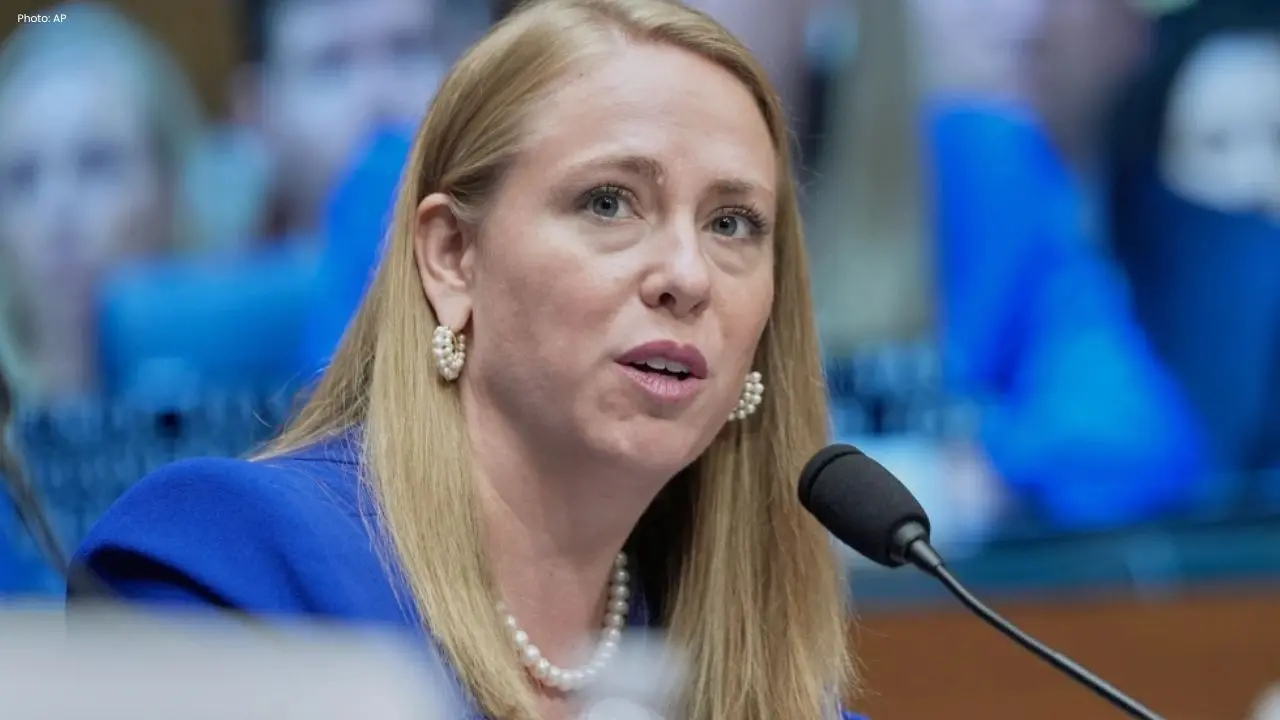
U.S. Equal Employment Opportunity Commission (EEOC) Chair Andrea Lucas has sparked a contentious dialogue around workplace discrimination and diversity initiatives through a recent social media statement. By encouraging white men to come forward if they feel victimized by racial or sexual bias at work, Lucas has significantly intensified the ongoing debates surrounding diversity, equity, and inclusion (DEI) practices in American corporations.
In her post on X, Lucas urged white male employees who suspect discrimination to connect with the EEOC for assistance in pursuing claims under federal civil rights provisions. She referenced the agency's resource guide on DEI-related discrimination, stressing the importance of timely reporting.
The post quickly garnered millions of views and came shortly after Vice President JD Vance criticized DEI efforts, labeling them harmful. In her reply, Lucas pointed out that discrimination against white men has frequently been overlooked or even celebrated by society’s elites, asserting that the EEOC is committed to eradicating such bias.
Though neither Lucas nor Vance's team provided further comments, reactions to her message have been polarized—receiving endorsements from DEI critics while provoking criticism from civil rights experts who claim Lucas mischaracterizes the intentions and outcomes of workplace diversity initiatives.
Agency Shift Under Trump Administration
Formerly appointed acting chair in January, Lucas has since steered the EEOC’s strategic focus in line with President Trump's executive directives challenging DEI programs. Officially appointed as chair in November, she has aligned the agency’s operations with a more conservative viewpoint on workplace civil rights.
Earlier this year, the EEOC, alongside the Department of Justice, issued documents detailing what constitutes unacceptable DEI incentivized discrimination. These guidelines indicated that certain training programs, employee resource groups, and fellowship initiatives could violate Title VII of the Civil Rights Act if designed in exclusionary manners.
Such documents have led to backlash from former EEOC leaders who argue that the guidance portrays DEI as inherently hazardous, overstating its legal implications. They caution the agency should not deter lawful diversity strategies aimed at fostering fairness and inclusion.
Expert Opinions Challenge Claims of Bias
Legal experts have explicitly questioned Lucas’ assertions of widespread discrimination against white men in the workplace.
David Glasgow, executive director of NYU School of Law’s Meltzer Center for Diversity, Inclusion, and Belonging, emphasized that Lucas’ message misrepresents DEI's fundamental objectives. DEI seeks to ensure equal treatment and opportunity for all, including white men, not to place them at a disadvantage.
He also underscored that the center's litigation tracking reflects no evidence of systemic bias against white men. Isolated incidents exist, but claims of broad discrimination lack supportive statistics, especially given the prominent positions still held by white men in corporate and governmental sectors.
"If DEI has been this effective engine of discrimination," he questioned, "it has not sufficiently undermined white men’s dominance in leadership roles or influence."
Concerns of Fairness in Law Enforcement
Jenny Yang, a former EEOC chair now with law firm Outten & Golden, described Lucas’ recent messaging as "unprecedented" for a federal agency leader. She asserted that the position’s responsibilities involve championing equal rights for all without favoring any demographic group.
Highlighting white men suggests favoritism, Yang expressed concern that the EEOC may be sidelining discrimination claims from marginalized groups, including transgender individuals. This approach, she argues, undermines the agency's duty to execute impartial investigations into discrimination.
Yang acknowledged that limited resources necessitate thoughtful priorities, but cautioned that these decisions should reflect fairness, not ideological bias.
A National Debate Unfolds
Lucas’ statements emerge at a time when DEI initiatives face intense political scrutiny. Critics contend that these efforts foster reverse discrimination and breach civil rights laws, particularly when employing race-specific objectives or initiatives. Advocates counter that DEI is vital for addressing historical inequities and ensuring workplace representation mirrors diverse populations.
Lucas’ views have entered the broader debate concerning definitions of discrimination, the designation of disadvantaged groups, and the federal government's role in safeguarding various demographics.
Prospective Developments
Legal experts predict a surge in litigation targeting DEI initiatives and potential lawsuits addressing white men's claims of discrimination. Observers warn, however, that the credibility of the EEOC hinges on consistent legal enforcement of Title VII rather than selective messaging influenced by political agendas.
As Lucas directs the agency toward scrutiny of DEI efforts, coming months may redefine national workplace equity policies, questioning whether the EEOC is safeguarding civil rights or retreating from years of dedicated diversity initiatives.
The national dialogue surrounding these issues shows no signs of resolution. At present, Lucas’ comments initiate a new chapter in the ongoing debate on fairness, the meaning of protection, and the application of federal authority in today’s workforce.