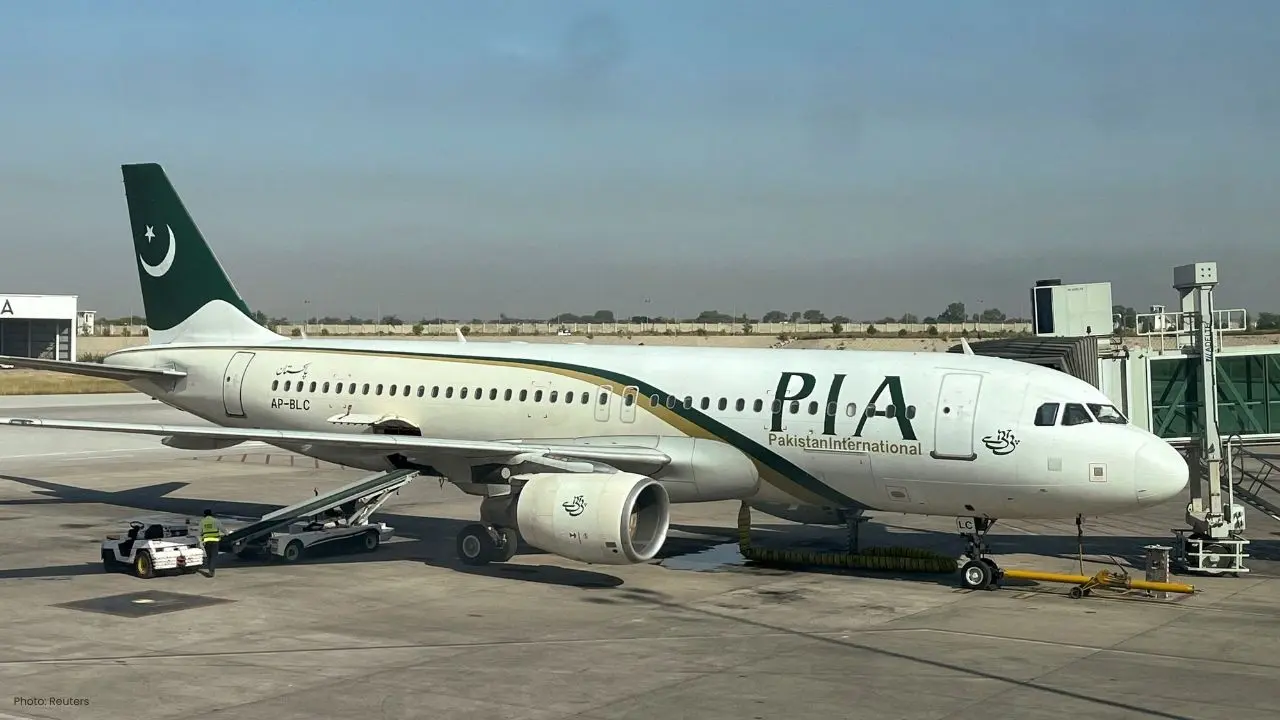
Pakistan is advancing its privatisation initiative as a private consortium takes a commanding stake in Pakistan International Airlines (PIA), with management expected to shift to private hands by April 2026. This strategic move seeks to alleviate long-standing financial struggles of the national airline and lessen the fiscal burden on the government.
The winning consortium, led by Arif Habib Corporation, secured 75% of PIA through a competitive auction with a notable bid of Rs135 billion ($482 million), surpassing the government’s reserve price of Rs100 billion and valuing the airline at approximately Rs180 billion, including the remaining 25% government share.
Investor Interest and Capital Infusion
This consortium comprises Fatima, City Schools, and Lake City Holdings, with options for additional partners that meet eligibility standards. The structure could also welcome a foreign airline, potentially bringing in vital capital and expertise.
Advisory figure Muhammad Ali emphasized that the agreement is structured not merely as a transfer of ownership but as a means to stimulate new investments directly into the airline. The government anticipates receiving about Rs10 billion upfront with the majority earmarked for PIA’s turnaround strategy.
“This approach enhances operational efficiency and ensures that performance improvements coincide with control changes,” Ali stated, highlighting safeguards to protect public interest.
Approval Process and Timelines
The transaction requires green lights from the Privatisation Commission board and the federal cabinet. Once approved, the signing of contracts is anticipated soon, with financial closure expected within 90 days as regulatory prerequisites are fulfilled.
In case the primary bidder falls through, the government has contingency plans to engage the second-highest bidder to maintain momentum.
Employee Retention and Continuity
Under the terms, the consortium must retain current PIA employees for at least 12 months without modifying existing contracts. Ali noted that recent voluntary separation initiatives have already reduced staffing levels, balancing cost-cutting with operational stability.
The addition of further partners is expected to bolster financing capabilities and enhance aviation expertise, crucial for revitalizing international routes and elevating service quality.
Government Reform Momentum
Prime Minister Shehbaz Sharif heralded the successful auction as a pivotal achievement for Pakistan’s reform agenda, noting prior delays in PIA’s privatization had inflicted severe fiscal strains. The transparent bidding process is seen as a necessary step forward.
Sharif stated he engaged with potential bidders to resolve procedural challenges, ensuring the December 23 deadline was met. This smooth execution is believed to enhance trust in forthcoming privatisation endeavors.
The government aims to channel fiscal improvements from reduced losses towards developmental initiatives and strengthening national financial standing.
Route Expansion and Investment Needs
Defence Minister Khawaja Asif remarked that restructuring efforts have restored access to crucial international routes, with PIA currently flying to destinations such as Manchester, with permissions for Birmingham, London, New York, and several cities across Europe.
However, limited aircraft availability continues to hinder expansion. Asif indicated that new investments are essential for enlarging the route network, modernizing the fleet, and recovering lost market share.
Officials anticipate that annual losses for PIA prior to restructuring were approximately Rs35 billion, asserting that the new transaction model combines capital influx with incomplete state ownership to preserve value.
Broader Privatisation Intentions
Asif underscored the pressing need for privatisation, citing decades of cumulative losses in state enterprises that threaten fiscal stability. He's indicated that further divestitures are in the pipeline, targeting sectors marred by persistent losses that drain national resources.
With the timeline for PIA's handover becoming clearer, the government views this deal as a prototype for future reforms and a demonstration of renewed enthusiasm in Pakistan's privatisation agenda.