Conquer Winter Frizz: 5 Hydration Tips for Gorgeous Hair
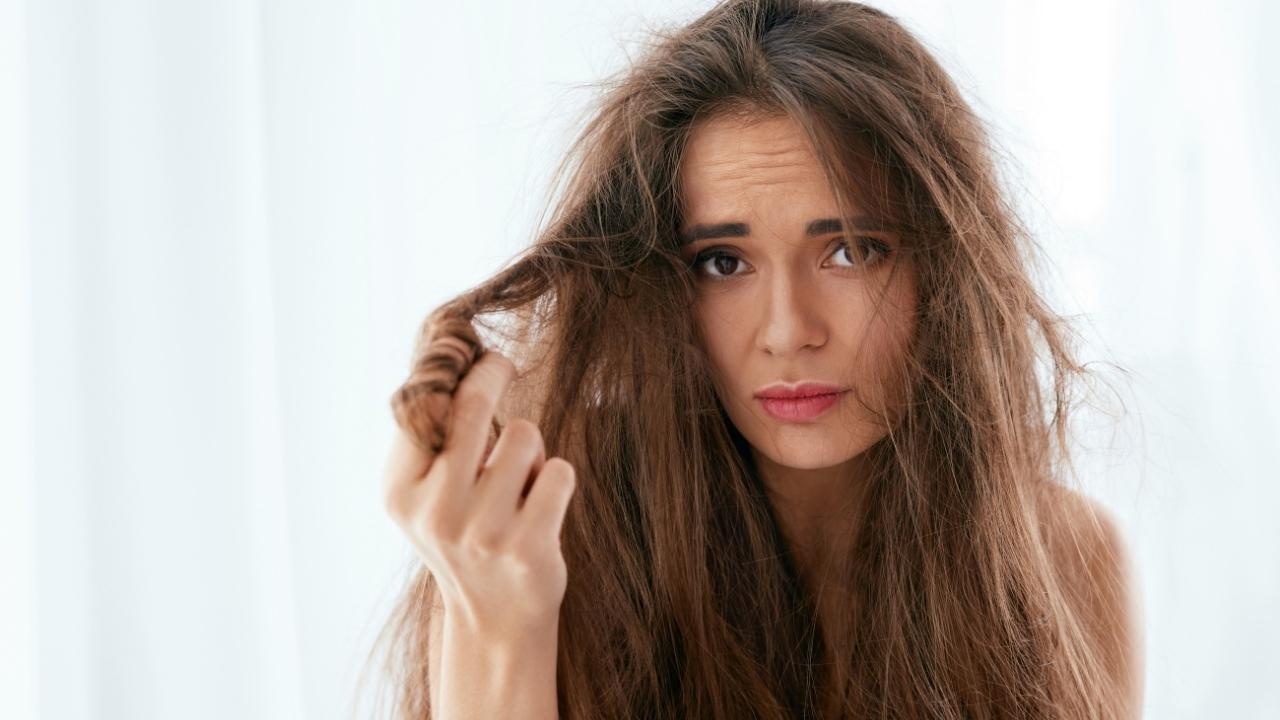
As winter arrives, many notice their hair transforming into a dry, frizz-laden mess, full of static. You may style your hair in the morning, only to find it loses its shape once you step outside. If this rings true for you, you're definitely not alone.
Experts highlight that winter weather can be quite harsh on hair. The cold outdoor air sucks away natural moisture, while indoor heat dries things out even more. This drop in humidity robs your hair of its softness and shine. Combine this with friction from wool scarves, sweaters, and hats, and your hair may become unmanageable and static-prone.
The silver lining? You don't have to accept winter hair woes as a given. With a few smart adjustments, you can shield your hair from dryness and keep it healthy and lustrous throughout the season. Here are five easy hydration tips to keep your hair soft and frizz-free this winter.
1. Opt for a Moisturizing Shampoo and Conditioner
Your usual shampoo may not serve you well in colder months. Many everyday products strip away oils, leaving your hair dry in this dry season.
Recommendations:
-
Pick a hydrating shampoo and conditioner formulated for dry or frizzy hair.
-
Search for components like argan oil, shea butter, aloe vera, coconut oil, or keratin.
-
Avoid products containing sulfates or alcohol, as they can dry out your hair.
-
Consider washing your hair only two to three times a week to prevent over-cleansing.
Why it works:
A good moisturizing shampoo and conditioner retain moisture within each hair strand, maintaining softness and reducing static. Over time, your hair will look healthier and easier to manage, even in chilly weather.
2. Embrace Leave-In Conditioner
If your hair turns frizzy or tangly right after brushing, a leave-in conditioner or serum can be a winter lifesaver.
Tips:
-
After towel-drying, apply a small amount of leave-in conditioner, focusing on the ends.
-
Use a light hair serum or anti-frizz cream before styling.
-
Choose products with jojoba oil, argan oil, or macadamia oil.
Why it works:
Leave-in conditioners offer an additional layer of moisture and protection, keeping your hair from losing hydration and decreasing friction—all of which minimizes static. Your hair will be smoother and easier to manage throughout the day.
3. Limit Heat Styling and Use the Right Tools
Reaching for a straightener or blow dryer may be tempting when your hair gets frizzy, but excessive heat can worsen the problem.
Recommendations:
-
Let your hair air-dry when possible.
-
If you must blow dry, apply a heat protectant spray first.
-
Use a low heat setting and keep the dryer six inches away from your hair.
-
Avoid brushing while drying to reduce static.
Why it works:
Excessive heat strips away natural oils, causing your hair to be dull and lifeless. By minimizing heat styling, you help your hair hold onto moisture. A protectant spray creates a shield against heat damage.
4. Hydrate and Consume Hair-Friendly Foods
Your dietary choices can significantly influence your hair’s condition. Dehydration leads to dry hair and scalp.
Ways to hydrate:
-
Drink 7–8 glasses of water daily, even if you're not thirsty.
-
Incorporate foods high in Omega-3 fatty acids (like fish, walnuts, and flaxseeds).
-
Consume foods rich in Vitamin E, iron, and biotin for stronger hair.
Why it works:
Staying hydrated supports a healthy scalp and essential oil production. A nutritious diet strengthens hair from within, making it shinier and less prone to breakage.
5. Select Hair-Friendly Fabrics and Accessories
What your hair comes into contact with throughout the day matters more than you think.
Suggestions:
-
Sleep on silk or satin pillowcases to minimize friction.
-
Choose hats with silk or satin linings.
-
Avoid plastic combs that generate static; opt for wooden or metal combs instead.
-
Keeps some leave-in conditioner or anti-static spray close to tame your hair as needed.
Why it works:
Winter materials, such as wool or acrylic, can create friction that contributes to static and frizz. Smooth fabrics like silk and satin help reduce friction, keeping your hair healthy and manageable.
Bonus Tip: Deep Condition Weekly
Indulge your hair with a nourishing mask once or twice weekly.
Simple DIY Masks:
-
Coconut Oil & Honey Mask: Mix one tablespoon of coconut oil with a teaspoon of honey, leave it on for 30 minutes, and wash it out.
-
Banana & Yogurt Mask: Blend a ripe banana with two tablespoons of yogurt for a natural moisturizing mask.
-
Aloe Vera & Olive Oil Mask: Mix equal parts aloe vera gel and olive oil for added hydration and shine.
Why it works:
Hair masks deeply nourish and repair damaged hair, restoring moisture and making your strands soft, strong, and frizz-free.
When to Consult a Hair Specialist
If your hair remains rough, brittle, or starts breaking despite following these tips, it could be time to consult a dermatologist or trichologist. Persistent issues can signal scalp problems or deficiencies needing professional attention.
Quick Winter Hair-Care Checklist
-
Use a moisturizing shampoo and conditioner.
-
Apply leave-in conditioner or serum regularly.
-
Avoid excessive heat styling.
-
Drink ample water and consume nutrient-rich foods.
-
Opt for silk pillowcases and avoid static-generating fabrics.
Stick to this routine for a few weeks, and your hair will become softer and smoother—ready to shine even during the coldest days.
Winter doesn’t need to mean a season filled with bad hair days. With proper hydration and care, you can maintain smooth, shiny, and static-free hair all winter.
Consider your hair like your skin—it needs proper care, hydration, and protection to remain vibrant. With the right strategies and consistency, you’ll keep your hair beautiful, even in the harshest winter conditions.
Disclaimer
This article serves as informational material only and should not substitute for professional medical or hair care advice. Individual hair types and conditions vary, and results differ. If you experience excessive dryness, hair loss, or scalp irritation, seek help from a qualified dermatologist or trichologist for personalized guidance.