Conquer Travel Anxiety with These Confidence-Enhancing Strategies
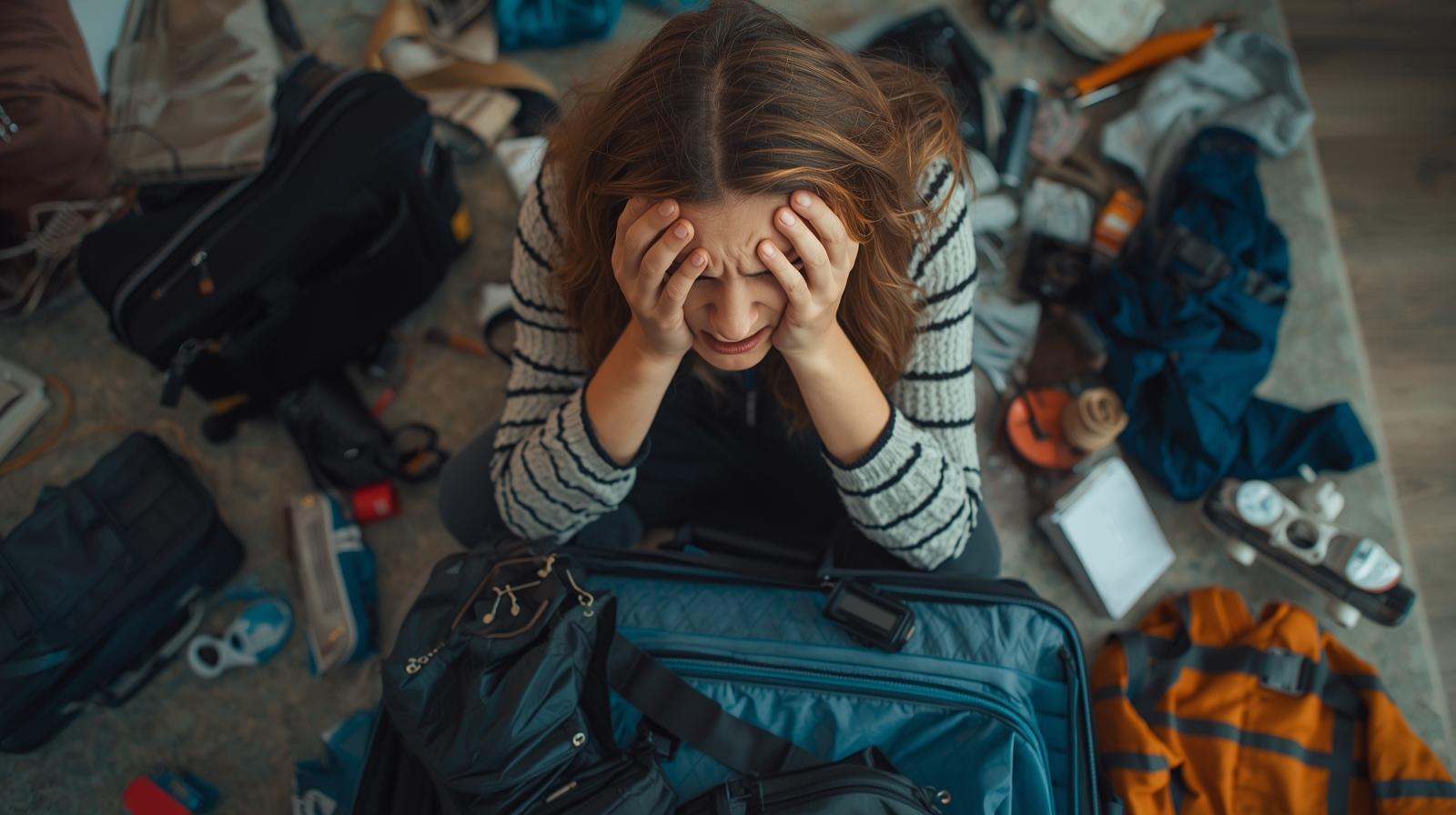
Traveling can spark anxiety for many. Whether it's the fear of flying, navigating unfamiliar places, or facing unexpected events, travel anxiety can hinder your enjoyment. Luckily, implementing the right strategies can empower you to travel confidently, even if you often feel nervous.
What is Travel Anxiety?
Travel anxiety typically arises from uncertainties. When you step outside your comfort zone and enter new environments, you may experience stress responses such as overthinking, restlessness, or physical discomfort. Understanding these triggers can significantly aid in managing them.
Start Early to Alleviate Worry
Preparation can greatly reduce travel-related stress. A well-prepared plan fosters a sense of control in your mind.
Develop a comprehensive checklist that includes items like documents, tickets, medication, chargers, clothing, and toiletries. Having everything organized minimizes worries about forgetting essentials.
Arrange your itinerary meticulously—covering transport schedules, accommodation specifics, and maps. A thoroughly organized plan decreases surprises, making travel feel manageable.
Familiarize Yourself with Your Destination
Uncertainty about a new place can lead to anxiety. Do thorough research to create familiarity before you go.
Understand the local transit system, cultural norms, climate, emergency contacts, and popular attractions. Viewing pictures, reading reviews, and watching short videos can help create a sense of control. Knowledge reduces the fear of unknowns.
Engage in Calm Breathing Exercises
Anxiety often escalates in airports or during flights. Breathing techniques can provide immediate relief.
Try inhaling slowly for four seconds, holding for two, then exhaling for six. This activates relaxation signals in your nervous system.
Also, carry calming aids like soothing music, guided meditations, or grounding objects to ease stressful moments.
Bring Along Familiar Comforts
Personal items can provide significant reassurance. Pack soothing items like a beloved book, favorite snacks, a travel pillow, or calming herbal tea.
These comforts can transform fear into positivity, particularly during lengthy travels or unfamiliar settings.
Boost Confidence with Small Travel Victories
Building confidence is a gradual process achieved through successful experiences. If the thought of traveling makes you anxious, start small.
Begin with brief day trips and then progress to weekend excursions. Gradually increase the length and complexity. Each successful outing reinforces the belief: “I can handle this.” Over time, these small achievements cultivate lasting confidence.
Communicate Your Worries with Travel Companions
If you're traveling with others, share your feelings. Being candid allows them to support you.
Sometimes, just knowing that someone understands can ease the entire experience. They may assist with navigation, share responsibilities, or provide distraction during tense moments.
Limit Excessive Travel Content Consumption
While researching is beneficial, over-indulging in information can exacerbate anxiety, especially if the content is negative or overwhelming. Aim for practical information without diving too deep.
Stick to reliable sources while steering clear of overly emotional narratives that may heighten your unease.
Focus on Trip Highlights
Anxiety tends to highlight worst-case scenarios. Redirect your attention toward the exciting aspects of your journey—like sampling new foods, visiting beautiful locales, creating memorable experiences, or engaging with new people.
Compile a list of enjoyable expectations, helping shift your mindset toward anticipation rather than fear.
Stay in Touch with Trusted Loved Ones
For many travelers, distance from home can incite uneasiness. Schedule regular check-ins with friends or family members.
A quick message or call can provide immediate comfort. Knowing someone is readily available for support adds emotional security throughout your travels.
Maintain Your Physical Well-Being
Travel anxiety intensifies when your body is fatigued, dehydrated, or undernourished.
Opt for light meals before traveling, ensure adequate hydration, and reduce caffeine intake, as it can worsen anxiety symptoms.
A balanced body fosters a calm mind.
Allocate More Time Than Necessary
Feeling rushed is a significant contributor to travel stress. Aim to arrive early at airports, bus stations, or train terminals.
Having extra time allows for a relaxed pace, enabling you to breathe, settle, and adapt smoothly.
Embrace Imperfection
Even seasoned travelers encounter delays and unexpected changes. Instead of fearing imperfections, remind yourself that they are part of the experience. You don't need everything to proceed flawlessly for a worthwhile journey.
With practice, adaptability becomes one of your most valuable skills.
Disclaimer: This article offers general guidance for managing travel anxiety and is not a substitute for professional medical or psychological advice. Seek personalized care if experiencing significant or persistent anxiety.