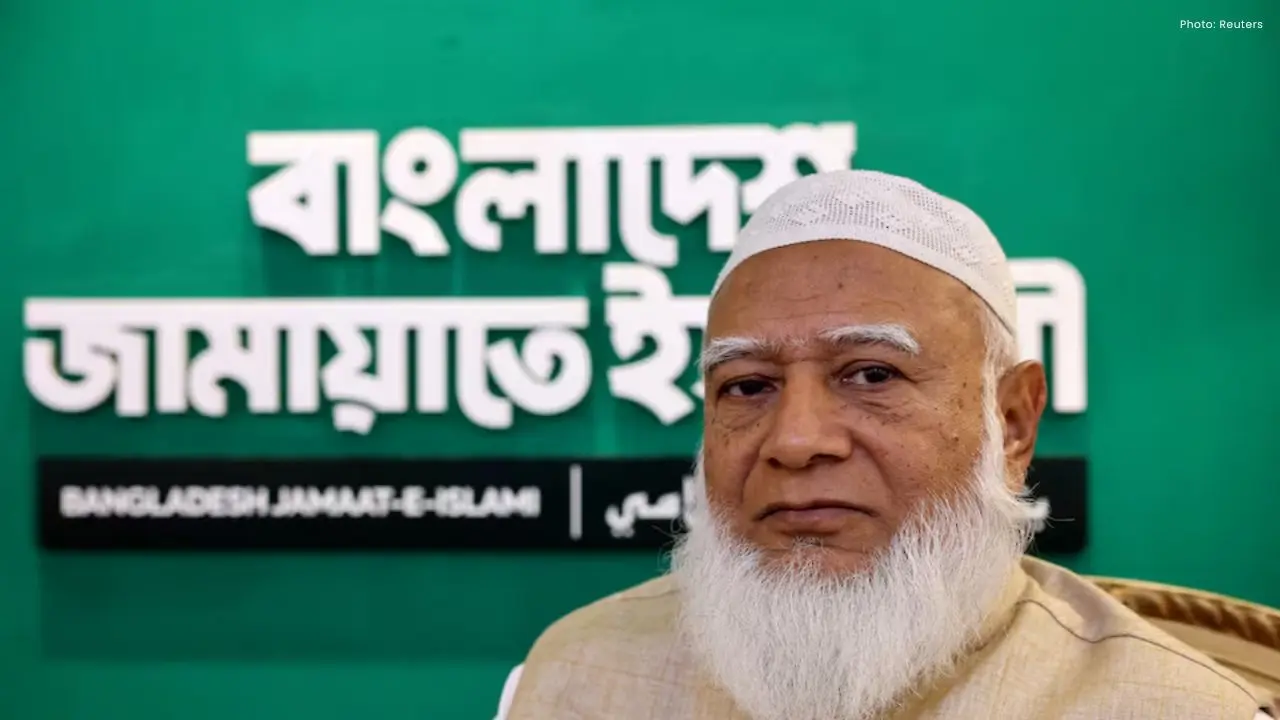
As Bangladesh gears up for a significant parliamentary election next month, a substantial political shift is unfolding. Jamaat-e-Islami, the nation's principal Islamist party, is experiencing a surge in public support after years of marginalization. This uptick in popularity, while welcomed by some, raises alarms among moderates and minority groups.
Historically, Jamaat-e-Islami carries a controversial legacy, having opposed Bangladesh’s independence in 1971 and facing accusations of severe crimes during the conflict. Under former Prime Minister Sheikh Hasina, several leaders from the party were imprisoned or executed, and by 2013, they were barred from participating in elections due to their ideological clash with the country’s secular constitution.
However, a dramatic change transpired following a student-led revolt that ousted Hasina from power in August 2024. Her party was subsequently banned, leading to a political void that Jamaat swiftly sought to fill, branding itself as principled, structured, and attuned to public welfare.
The party's leaders assert a commitment to “welfare politics,” highlighting initiatives like medical camps, flood relief, and assistance for families of those lost during protests. Jamaat's chief, Shafiqur Rahman, emphasizes the party's aim to serve the populace and restore faith in the political landscape.
Recent surveys indicate Jamaat is now among the most favored parties in Bangladesh, with some polling data showing it nearly equal to the Bangladesh Nationalist Party. Discontent with corruption and previous government misconduct drives many citizens to consider giving Jamaat a chance.
In an effort to reshape its image, Jamaat has introduced a Hindu candidate for the first time and has condemned violence against minorities. The party has also allied with a youth-oriented political faction formed during recent protests, aiming to resonate with younger demographics.
Despite these steps, skepticism remains prevalent. Jamaat has yet to identify any female candidates for pivotal parliamentary roles. While the party expresses support for women’s rights, critics argue that these pledges may not be dependable, especially given past statements from party leaders regarding women's labor restrictions.
Concerns are particularly pronounced among minority populations. Since the government shift, there has been a rise in attacks on Hindu temples, Sufi shrines, and various cultural gatherings. In addition, women's sports and music events have faced scrutiny. Even though the interim government has vowed decisive action, many minorities report feeling increasingly vulnerable.
Moderate factions harbor concerns that a Jamaat-led administration might steer Bangladesh toward stricter religious governance. Several minority representatives indicate that the existing climate is more unsettling than it has been in years.
Jamaat refutes any associations with violence or intolerance, asserting its commitment to democracy informed by Islamic principles. The party also aims for balanced international relations, eschewing favoritism towards any nation.
As election day looms, Bangladesh encounters a pivotal juncture. The ascension of Jamaat-e-Islami highlights widespread public discontent and a longing for transformation, yet it also poses profound questions concerning the nation’s trajectory, social unity, and safeguarding individual rights. The upcoming vote holds significant implications for Bangladesh's future.