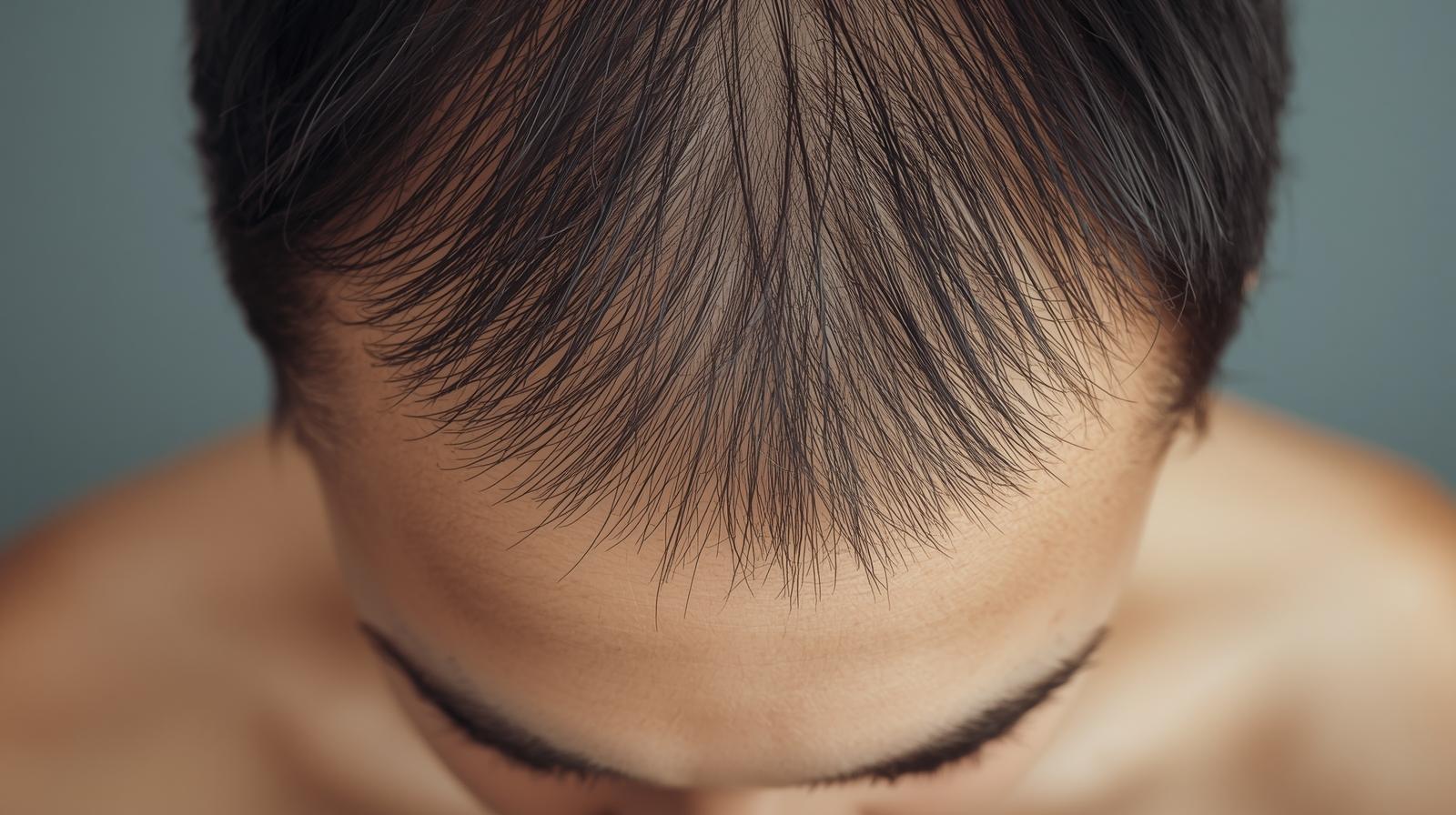
Combat Sudden Hair Thinning: Daily Habits to Address
Experiencing sudden hair thinning can be quite alarming, especially when it feels like it occurred overnight. However, in most cases, the culprit is not a medical condition but rather daily lifestyle choices that harm your scalp, weaken your hair follicles, and disturb the natural cycle of hair growth.
The good news is that through a few strategic changes, you can slow, stop, and even reverse hair thinning naturally.
This guide aims to outline the primary causes behind sudden thinning and the habits you should correct without delay.
What Triggers Sudden Hair Thinning?
High-Tension Hairstyles
Hairstyles such as tight ponytails and braids can strain the roots, leading to traction alopecia. Although damage accumulates slowly, it's evident when hair starts breaking closer to the scalp.
Inappropriate Washing Practices
Washing your hair daily can strip away natural oils, making the scalp dry and brittle.
Conversely, washing infrequently leads to buildup that clogs follicles.
Both of these practices can contribute to thinning.
Excessive Heat and Chemicals
Frequent use of heat tools, dyes, and chemical treatments can weaken the hair shaft and result in breakage that may appear as thinning.
Stress and Insufficient Sleep
Elevated stress levels boost cortisol, leading to hair entering the “fall phase.”
Lack of sleep also hampers scalp repair and limits blood flow to follicles.
Inadequate Nutrition
Insufficient levels of iron, vitamin D, zinc, protein, and biotin can dramatically affect hair density.
Even mild nutrient deficiencies can lead to observable thinning.
Hard Water Effects
In certain regions, hard water is laden with minerals that dry the scalp and weaken hair strands over time.
Ways to Halt and Reverse Hair Thinning
Opt for Low-Tension Hairstyles
Choose softer styles like loose ponytails and avoid tight hairstyles that tug at the hairline.
Whenever feasible, let your hair down or keep it loosely tied.
Wash With Optimal Frequency
Your scalp generally flourishes with 2–3 washes weekly using a sulfate-free shampoo.
Gentle massages can enhance blood flow.
Limit Heat Usage
Try to use heat tools sparingly, ideally once a week.
Always incorporate a heat protectant to minimize damage.
Enhance Your Diet
Incorporate protein-rich foods, leafy greens, seeds, nuts, dairy products, and items rich in vitamin D.
If you follow a vegetarian diet, focus on lentils, chickpeas, tofu, and pumpkin seeds.
Engage in Weekly Oil Massages
A 10-minute warm oil massage using coconut, almond, or rosemary oil can aid in circulation and fortify roots.
Limit oiling to twice weekly to avoid excess buildup on the scalp.
Shield Hair from Hard Water
Whenever possible, use a shower filter.
Alternatively, rinse your hair weekly with rice water or an ACV rinse to counteract the mineral buildup.
Avoid Tight Headgear
Persistent friction can weaken the hairline and crown.
When wearing helmets, consider using a cotton liner underneath.
Control Stress Levels
Practices such as deep breathing, meditation, and daily walks can reduce cortisol levels, promoting a healthier hair cycle.
Disclaimer
This article serves educational purposes and does not substitute for professional medical advice. Sudden or drastic hair thinning can also stem from hormonal imbalances, thyroid disorders, or other underlying health issues. Consult a dermatologist or trichologist for tailored diagnosis and treatment recommendations.