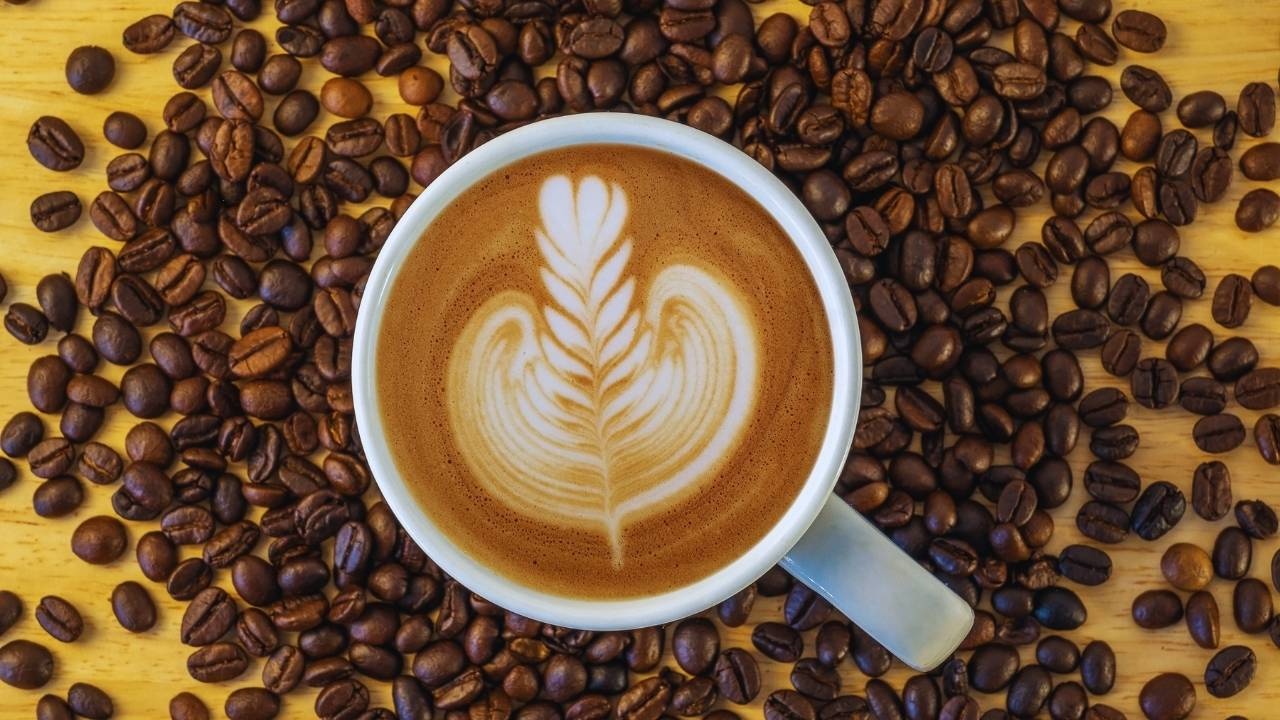
Coffee has moved past the simple daily pick‑me‑up. In 2025, neighbourhood cafés and specialty bars are deliberately matching beans with snacks, infusing milks with nuts and spices, and presenting drinks as part of a wider tasting moment. The question is no longer just about grind or roast but about the accompaniment: which pastry, spice or milk will best highlight a cup?
Several forces are nudging this change — the appetite for novelty, social feeds that reward beautiful moments, the rise of single‑origin awareness and a desire to treat coffee as lifestyle rather than mere fuel. Below we walk through the pairings gaining notice, why baristas are experimenting, how customers respond across regions such as Asia and the Middle East, and the angles food writers should follow.
Why Pairings Are Taking Root
Curiosity and the search for something different
Today's coffee drinkers — especially younger audiences — seek more than familiarity. They want novelty, visually appealing moments and flavours that tell a story. A latte with a nutty twist or a suggested croissant to go with a filter coffee turns a routine order into a chosen experience. That demand is prompting cafés to offer curated matchings rather than one‑size‑fits‑all menus.
Specialty coffee raises flavour literacy
As more people move from commodity blends to speciality beans, they notice acidity, floral notes and body. That vocabulary allows baristas to make sensible suggestions — for instance, pairing a bright Ethiopian filter with a citrus‑forward pastry — so the food complements rather than covers the coffee.
Experience, aesthetics and the social layer
Presentation now matters almost as much as taste. A plated pairing or a latte finished with crushed pistachio invites photographs and conversation. Social platforms quickly amplify successful experiments; a visually striking pistachio latte can travel from a single café to a broader trend within days.
Commercial logic: standing out and improving margins
For café owners, recommended pairings and flavour add‑ons help differentiate an outlet and increase average spend. Bundles such as a pour‑over with a matching pastry or a flavoured plant milk as an upsell encourage customers to try more and linger longer.
Local tastes meet global formats
In fast‑moving scenes across Asia and the Middle East, patrons expect curated moments. Cafés combine single‑origin flights, pairing sets and regionally inspired flavourings to give menus local resonance — often using nut pastes, spices or plant milks to bridge global coffee culture with local preferences.
Pairing Styles on the Rise
Nut and seed‑forward milks
Flavouring the milk itself — think pistachio or hazelnut oat milks — is becoming common. These are more than syrup accents; they are blended to sit harmoniously with the espresso or filter brew, creating integrated flavour layers that feel crafted rather than sweetened.
Matching bean character with food
Cafés are mapping flavour affinities and suggesting combinations such as:
-
Bright, floral East African beans with a zesty pastry.
-
Rich, chocolatey roasts with dense desserts or nutty slices.
-
Robust dark roasts alongside savoury bakes like spiced buns.
Across markets, teams are creating pairing guides — “this filter goes best with this croissant” — to help customers navigate choices.
Cold‑format creativity
Iced coffees, cold brews and nitro drinks provide a smoother canvas for flavour layering. They lend themselves to combinations such as berry‑accented cold brews, coconut and spice drizzles, or nut‑chocolate iced lattes that feel modern and personalised.
Functional and fusion pairings
Pairings are increasingly framed around wellness or cross‑cultural flavour play — adaptogen add‑ins, MCT oils, or spice profiles borrowed from regional cuisines. These blends aim to deliver both taste and perceived benefit, often paired with protein‑rich or whole‑food snacks.
Story‑led heritage pairings
Some cafés curate pairings to highlight provenance: Indonesian beans matched with traditional sweets, or Arabic coffee served with date‑based bites. These offerings use food to reinforce cultural narratives and create richer customer connections.
Why Baristas Welcome the Lab
Craftsmanship and pride
Baristas today view their role as more artisanal. Developing pairings showcases their knowledge of beans, extraction and texture, elevating the service from transaction to curation. Industry events and competitions that emphasise tasting and storytelling further encourage this mindset.
Keeping menus fresh
Pairings let cafés innovate without overhauling equipment or core recipes. Rotating suggestions and seasonal combos keep offerings lively and give staff opportunities to test new ideas with customers.
Content and customer engagement
Each thoughtfully plated pairing becomes a storytelling asset — a photo, a post, a review. Baristas craft items that look as good as they taste because those images drive discovery and footfall.
Incremental revenue
Suggested pairings nudge customers toward add‑ons and increase order totals. A simple staff prompt — “try this with our lemon muffin” — often converts without feeling pushy, adding value for both guest and business.
Meeting diverse expectations
With more dietary options and taste preferences, pairing menus give cafés flexibility to satisfy vegans, nut‑milk fans and those seeking low‑sugar or functional choices.
Regional Snapshot: Asia & the Middle East
Asia
Major Asian cities blend style and flavour play. Local twists — matcha pastries, jackfruit treats, or soy‑based espresso blends — sit alongside plant milk innovations and curated cold menus. Many outlets offer priced “coffee & snack” sets to simplify selection and create shareable moments.
Middle East
In Gulf markets, elevated coffee rituals pair single‑origin beans with luxury touches such as saffron, cardamom or pistachio. Brunch culture and social cafés make these pairings part of a premium lifestyle, often leaning into ornate flavours and decadent small plates.
Using local ingredients
Across both regions, cafés increasingly thread local ingredients into pairings — nuts, spices and traditional desserts — so menus feel rooted and unmistakably local.
Story Ideas for Writers
Angles worth exploring
-
“How pistachio lattes leapt from social feeds to café counters”
-
“Pairing beans and pastries: a new menu tactic in specialty cafés”
-
“Cold coffee, custom milks and snack matches: what younger customers want”
-
“In the Gulf, coffee pairings become part of luxury ritual”
-
“Baristas as curators: how pairing shapes café identity”
SEO themes to consider
Potential search terms include: “coffee pairing trend 2025”, “espresso and pastry pairing”, “pistachio latte trend”, “café pairing menus Asia”, “barista food and coffee pairing”. Central themes: craft, novelty, flavour matching, local fusion and cold coffee formats.
Practical additions
-
Talk to baristas and include short quotes about their pairing logic.
-
Profile cafés that have rolling pairing menus or collaborations with bakeries.
-
Share recipes or DIY tips for readers to try at home.
-
Capture the consumer perspective: why pairing adds value to their visit.
-
Cover the operational side: how teams train, price and keep pairings consistent.
-
Use strong visuals: plated pairings, close‑ups of latte texture, and coffee + snack sets.
Practical Challenges
Protecting the coffee’s voice
Experimentation must not erase a bean’s nuance. A delicate light roast can be overwhelmed by a heavy dessert, so thoughtful matching is key to preserve tasting notes and credibility among knowledgeable drinkers.
Extra complexity behind the counter
Pairings increase inventory and preparation steps. Busy cafés juggling custom cold drinks and multiple milk formats need careful workflow planning to maintain speed and quality.
Costs and margin management
Premium ingredients like nut pastes or imported flavours add cost. Pairing offers must balance perceived value with sensible pricing so regular customers aren’t priced out.
Keeping quality consistent
Limited‑time specials drive trial, but only repeatable, well‑executed offerings will turn first‑time guests into regulars.
Respecting cultural taste
Not every regional palate responds the same way. Successful pairings reflect local habits and preferences rather than imposing a one‑size model.
Where Pairings Might Go Next
Looking ahead, expect digital tools to recommend matches, baristas to offer guided flavour education, and menus to feature seasonal, local ingredient sets. Cold and functional pairings — coffee combined with adaptogens or protein snacks — are likely to expand, as will branded partnerships and events such as tasting nights and curated flights.
Final Note
The trend toward pairing coffee with complementary foods and flavours is reshaping café routines into memorable rituals. Baristas are experimenting, customers are engaging, and regions like Asia and the Middle East are adding local character to the mix. For writers and operators alike, this is fertile ground: cover the craft, the cultural stories and the taste matches that turn a cup into an occasion.
Done thoughtfully, pairing lifts coffee from habit to a deliberate sensory experience — and gives both cafés and guests something new to savour.
Disclaimer:
This piece is intended for editorial and informational use. It outlines trends and ideas in coffee pairing and café culture and should not be taken as business or investment guidance.