5 Groups Who Should Steer Clear of Coconut Water
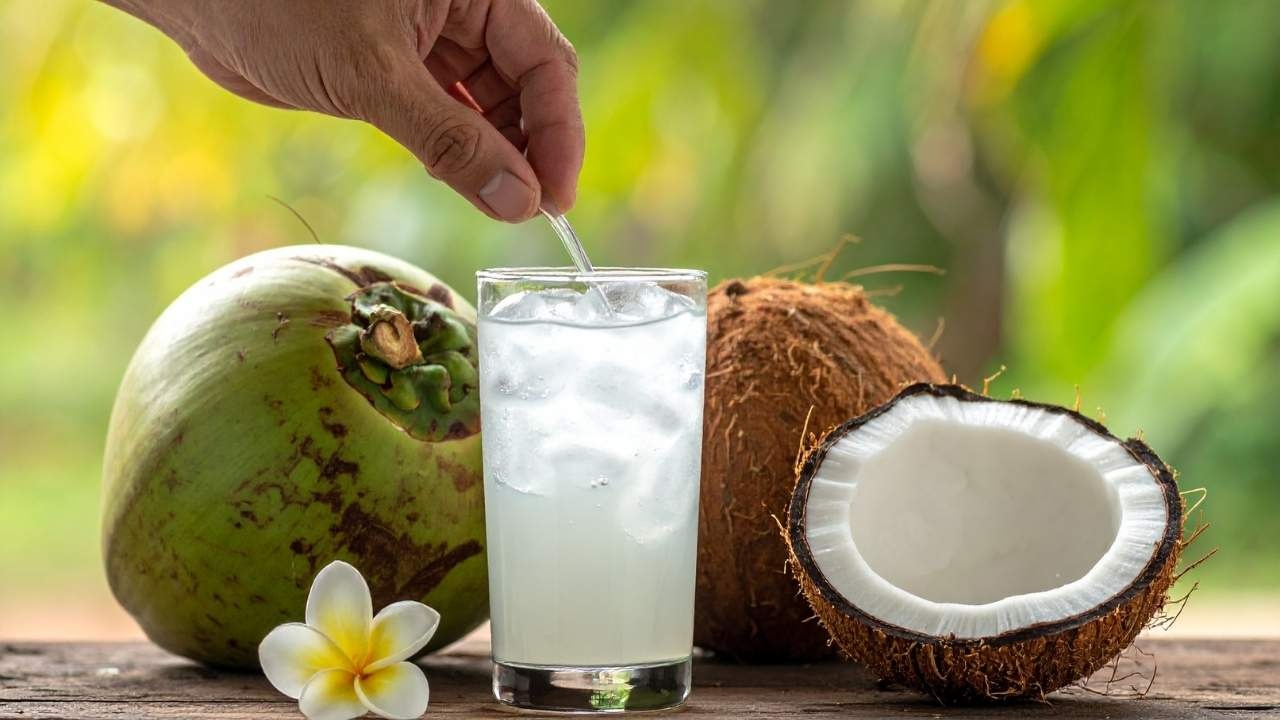
Coconut water is a popular choice for hydration, cherished for its refreshing taste and cooling properties. Many individuals enjoy it post-exercise, during the hotter months, or as a healthier alternative to sugary drinks. Despite its numerous benefits, it may not be suitable for everyone and can even pose health risks in certain situations.
This article outlines five categories of people who should consider avoiding coconut water and the reasons why.
The Potential Risks of Coconut Water
Coconut water is abundant in:
-
Potassium
-
Sodium
-
Magnesium
-
Calcium
-
Natural sugars
-
Electrolytes
While these nutrients generally support hydration and energy, they can become problematic for individuals with specific health conditions. Excessive potassium or sugar may exacerbate existing medical issues.
The following five groups should be particularly cautious.
1. Individuals With Kidney Issues
Coconut water is high in potassium, essential for muscle function and heartbeat regulation. However, those with compromised kidney function can struggle to eliminate excess potassium from the system.
This buildup may lead to:
-
Irregular heartbeats
-
Muscle weakness
-
Tingling sensations
-
Serious cardiac issues
Individuals experiencing chronic kidney disease should avoid coconut water unless their healthcare provider specifically permits it.
2. Diabetics
Although coconut water is natural, it contains natural sugars such as glucose and fructose that can elevate blood sugar levels, particularly when consumed in large quantities.
Possible consequences include:
Diabetics should take coconut water only in minimal doses and upon medical advice.
3. People With Low Blood Pressure
The rich potassium content in coconut water can lower blood pressure, which is beneficial for those with hypertension but may be harmful to those who already have low blood pressure.
Symptoms might include:
-
Dizziness
-
Weakness
-
Lightheadedness
-
Fainting spells
-
Slowed heartbeat
For those with low blood pressure, coconut water can exacerbate their condition, leading to potential risks.
4. Individuals Recovering From Gastrointestinal Issues
Coconut water is often perceived as gentle on the digestive system, but it’s not ideal for everyone, particularly those recovering from:
Its natural sugars and refreshing effect can impact acidity levels or result in loose stools, potentially slowing the healing process.
Experts typically suggest ORS (Oral Rehydration Solution) for balanced hydration during recovery.
5. Those on Certain Medications
Coconut water may interfere with specific medicines due to its potassium levels. This category includes:
-
Cardiovascular medications
-
Blood pressure treatments
-
Diuretics
-
Kidney-related drugs
-
Certain long-term medications
Combining these medications with coconut water may lead to abnormal potassium levels or disrupt the effectiveness of the medications.
Individuals on prolonged medication should consult their healthcare provider before integrating coconut water into their diet.
When to Limit Coconut Water Intake
Even if you don’t fit into the five identified categories, consider moderating your coconut water consumption in situations like:
Although coconut water is healthy, excessive consumption can lead to discomfort.
Hydration Alternatives for Those Who Should Avoid Coconut Water
If you must steer clear of coconut water, you can still enjoy hydration through:
These alternatives offer hydration without potential health risks.
Coconut water may seem innocuous, but it isn’t appropriate for everyone. People with kidney issues, diabetes, low blood pressure, gastrointestinal problems, or those on specific medications should proceed with caution or avoid it altogether.
Each individual’s body reacts differently; what works for one may pose challenges for another. Knowing your health status and making informed choices can promote safety and wellbeing.
Disclaimer
The content in this article is intended for general knowledge and should not substitute for professional medical advice. Individuals with health issues, those on long-term medications, or anyone uncertain about consuming coconut water should consult a healthcare professional prior to dietary changes. Health needs can vary, making professional guidance important.